jose rizal
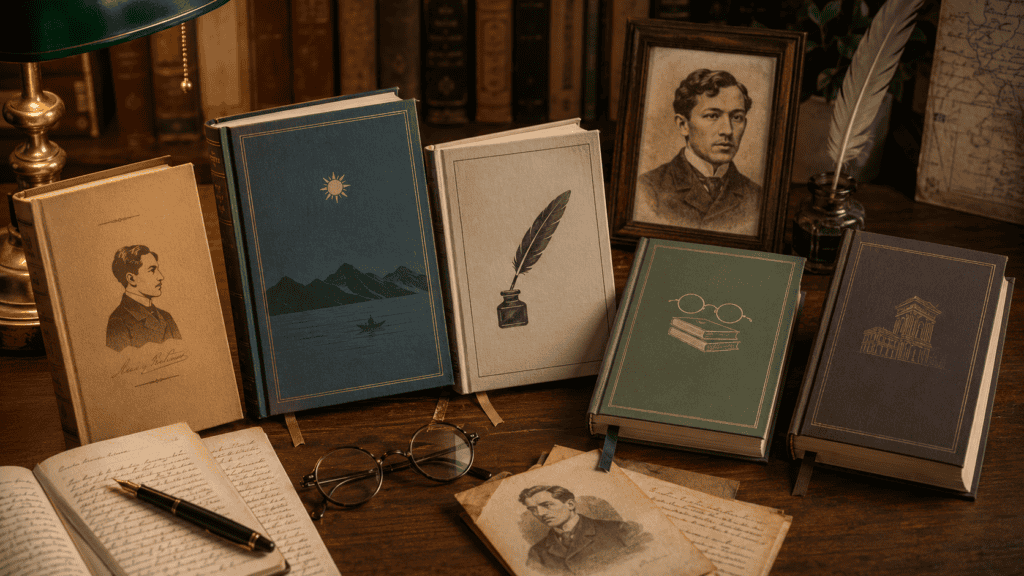
The Best Books on José Rizal (For Every Type of Reader)
Not all Rizal books are created equal. Here's a guide to the best — Rizal's own novels, the top biographies, which editions to buy, and what serious scholars read.
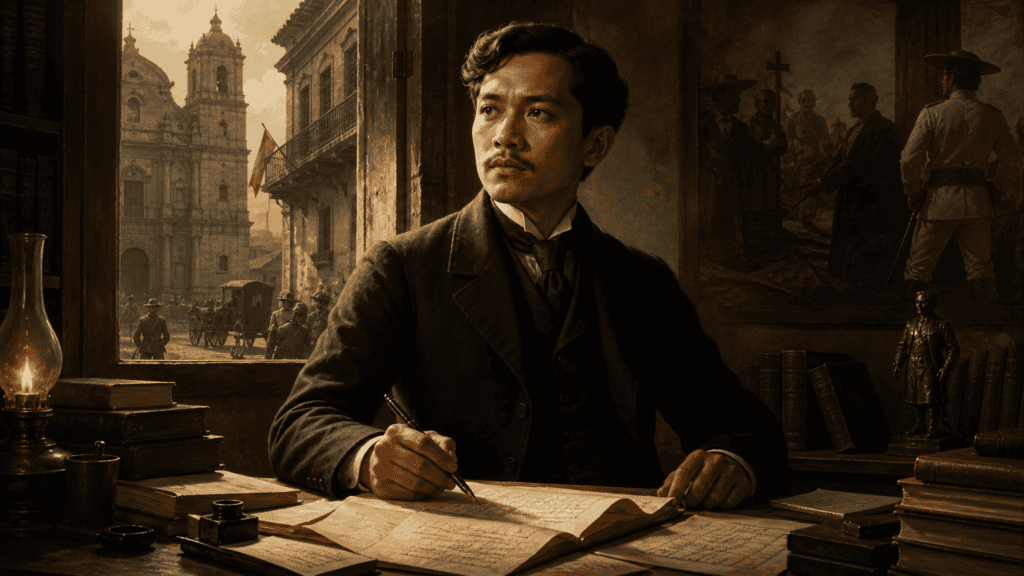
What Rizal Said About Freedom, Knowledge, and Colonial Power
Rizal's most significant quotes on freedom, knowledge, and colonial power — each with the source and the context that makes them worth reading carefully.
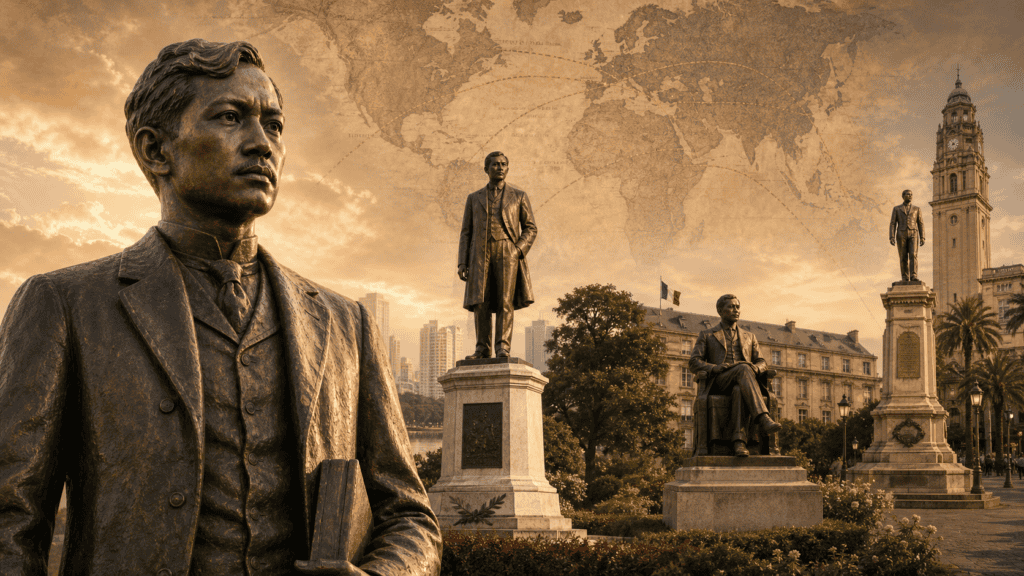
Rizal Monuments Around the World: A Hero Without Borders
Most national heroes stay home. Rizal did not — and neither has his legacy. Across four continents, in cities he visited and cities he never saw, monuments to the Filipino hero mark something that no single country can fully claim.
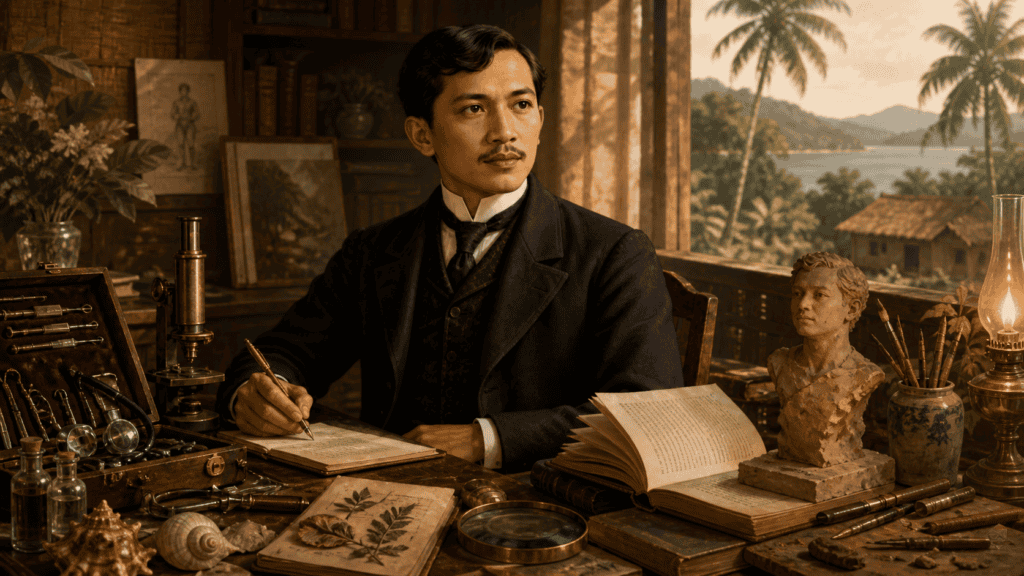
The Many Minds of José Rizal: Doctor, Novelist, Sculptor, Naturalist
Rizal was a doctor, a novelist, a sculptor, a naturalist, and a linguist fluent in over twenty languages — all before the age of 35. Here's what that actually looked like.
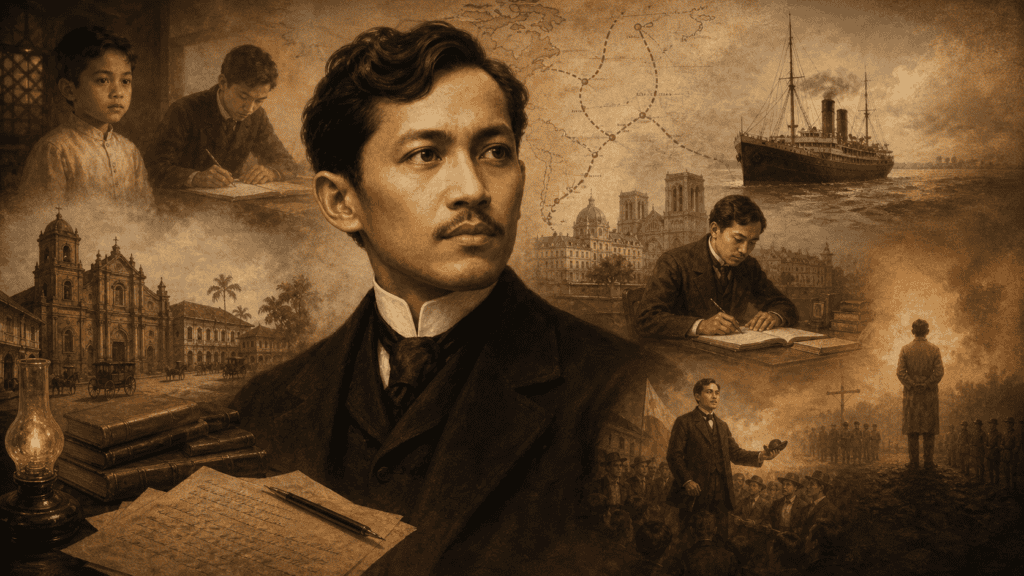
José Rizal: A Complete Timeline
Thirty-five years. Two banned novels. One civic organization that lasted four days. A final poem written the night before his execution. This is the complete timeline of José Rizal's life.
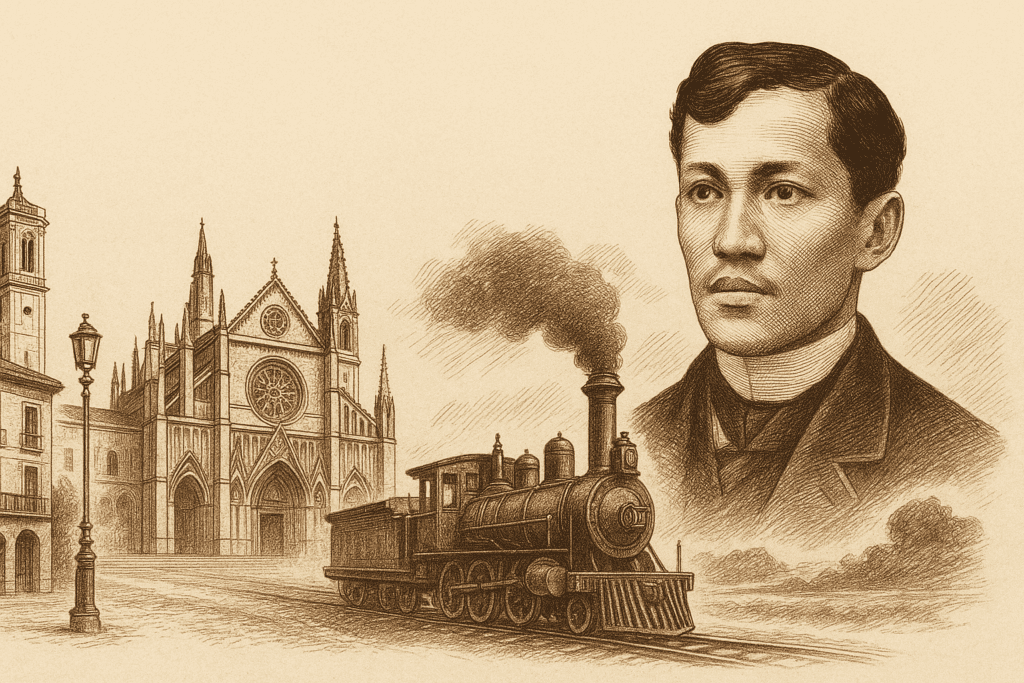
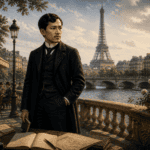
Rizal in Europe: The Years That Made the Novelist
He left the Philippines in secret in 1882, twenty years old. He returned five years later carrying the manuscript of Noli Me Tangere. What happened in between turned a gifted student into a writer who toppled an empire.
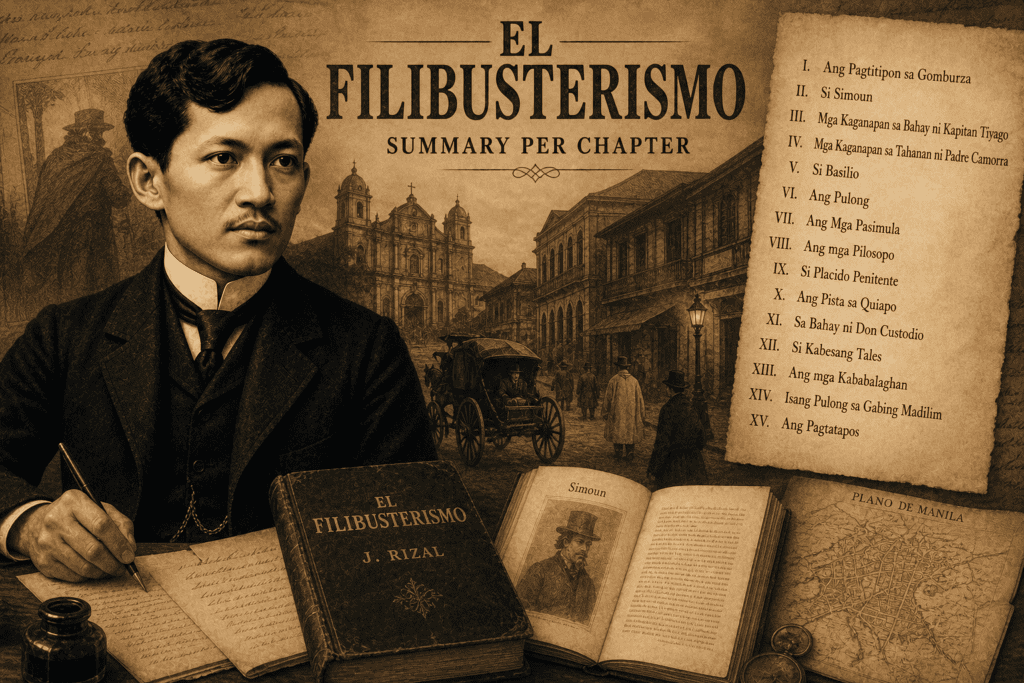
El Filibusterismo: Chapter-by-Chapter Summary
All 39 chapters of El Filibusterismo, summarized clearly and in order — from Simoun's arrival on the Tabo to Padre Florentino throwing the treasure into the sea.
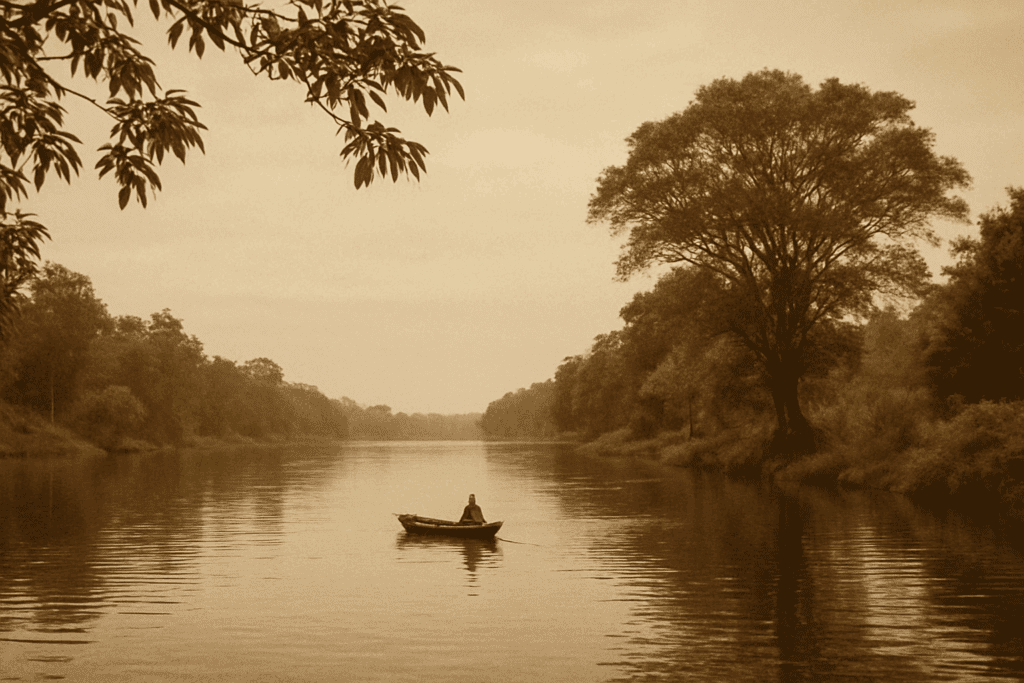
Kundiman (English Version): Full Poem and Analysis
Explore José Rizal’s Kundiman in its English version with full text, background, and a detailed analysis of its themes of sorrow, hope, and love for the nation.
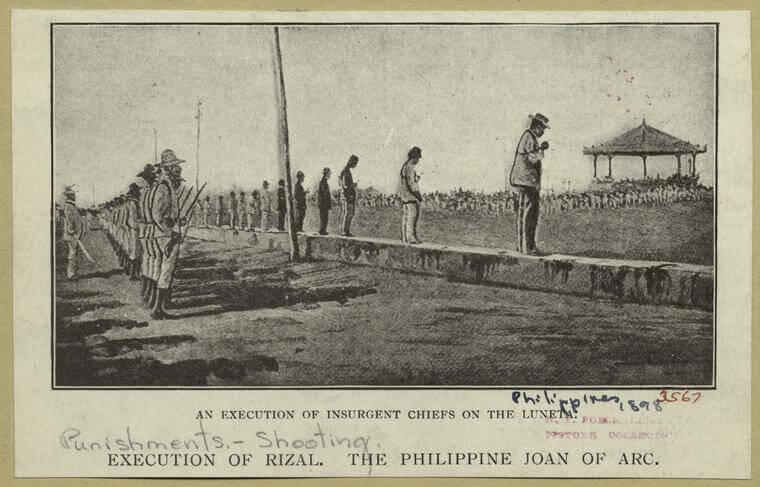
José Rizal’s Last Words
Rizal's last words come in three forms: the poem he hid in an alcohol stove, the letters he wrote through the night, and the words he spoke at Bagumbayan at dawn. Here is the full account.
Rizal in Spain: Barcelona, Madrid, and the Education of a Reformist
Rizal arrived in Spain in 1882 as a twenty-year-old traveling under a false name. He left five years later as the author of a banned novel. In between, the Spanish empire inadvertently educated the man who would help end its rule.
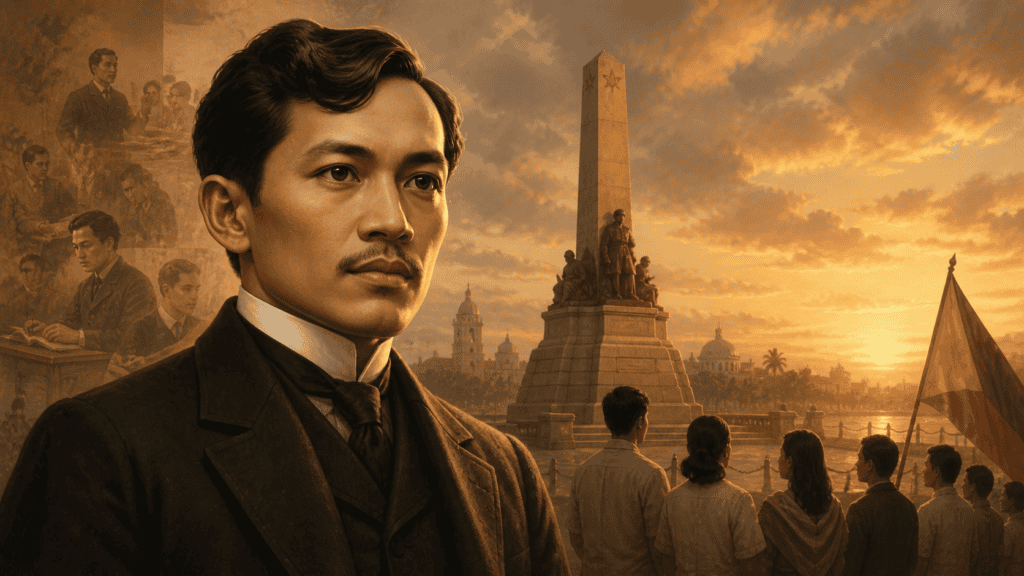
How Rizal Became the National Hero of the Philippines
No law ever declared Rizal the national hero of the Philippines. What actually happened is more complex — and more interesting — than any proclamation could be.
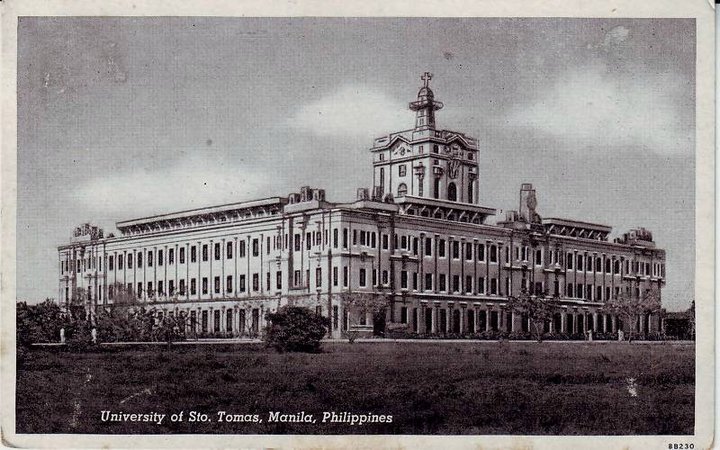
Rizal’s Student Life at the University of Santo Tomas
Explore Rizal’s student life at UST, from academic rigor to discrimination, friendships, and the early awakening of his reformist ideals.
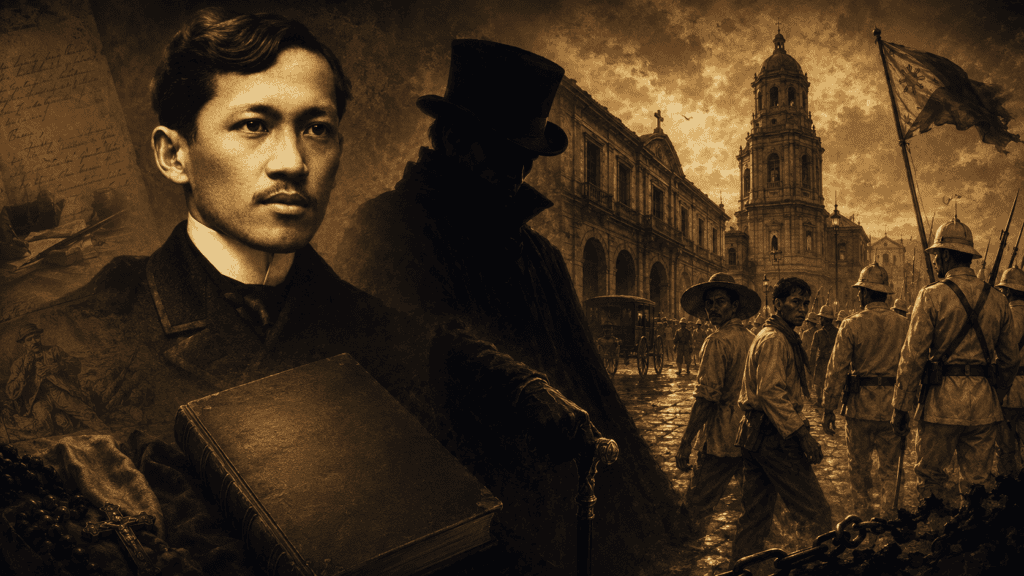
El Filibusterismo: The Sequel That Asked Whether Revolution Was Worth It
The first novel exposed what was wrong. The second asked what to do about it. Darker and more desperate than its predecessor, El Filibusterismo is Rizal's most dangerous book — and his most honest one.
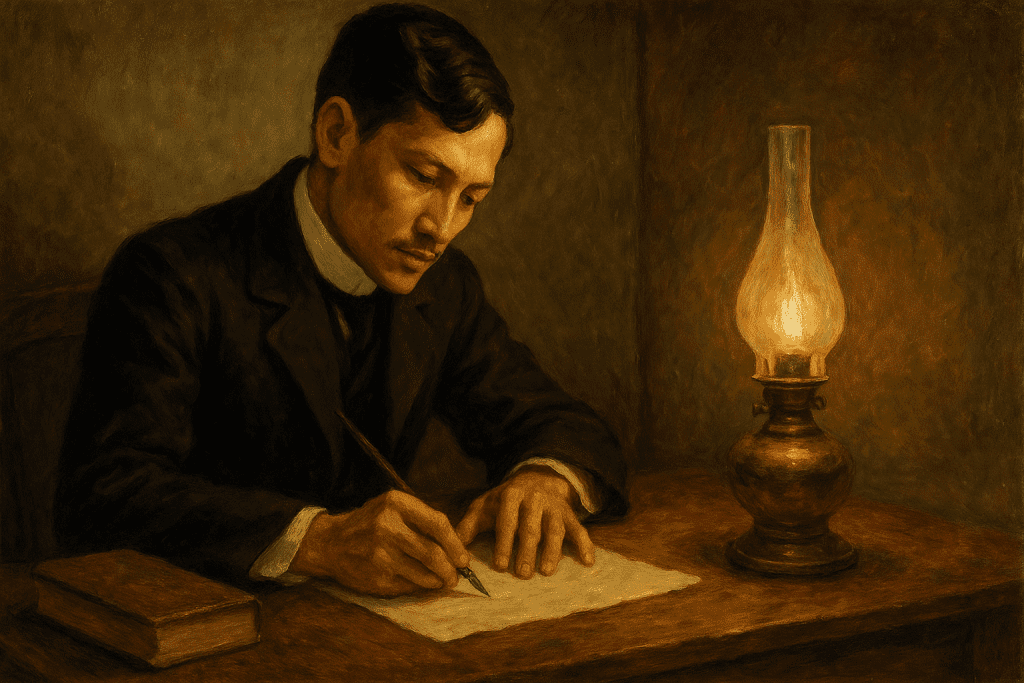
Major Works of José Rizal
José Rizal's novels, essays, poems, and letters formed the intellectual core of Philippine nationalism — and helped bring down a colonial empire.
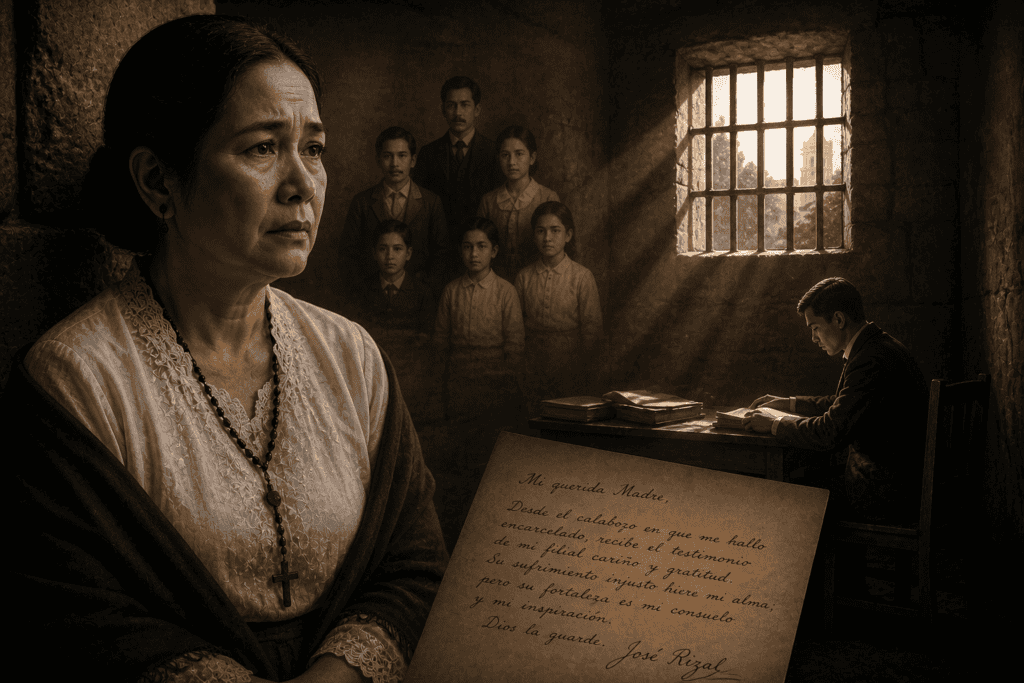
The Imprisonment of Teodora Alonso and What It Made of Rizal
In 1872, Teodora Alonso was forced to walk more than forty kilometers from Calamba to Santa Cruz under armed guard, accused of a crime she did not commit. Rizal was ten years old — and he understood, with a child's precision, exactly what the colonial government was doing.
Leonor Rivera: Rizal’s Greatest Love and the Woman Behind Maria Clara
She waited eleven years for a man writing novels that could get him killed. Her mother hid his letters. She married someone else. She died at twenty-six, asking that his letters be buried with her.
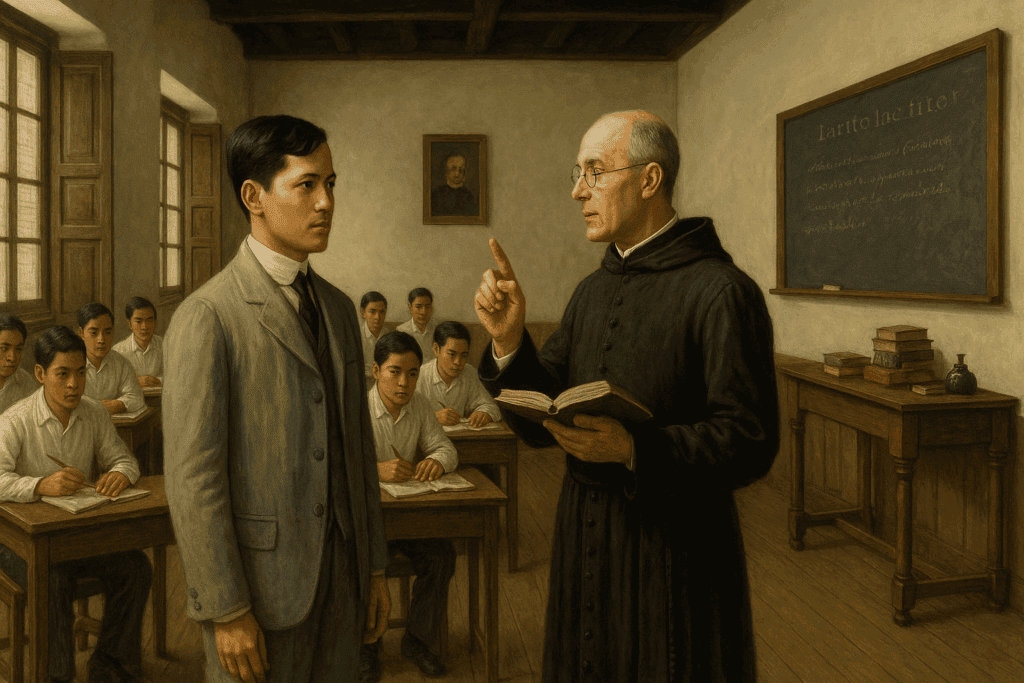
Rizal’s Education in Manila and Ateneo Years
A detailed look at Jose Rizal’s education in Manila and his Ateneo years, where he developed the discipline, intellect, and worldview that shaped his future.
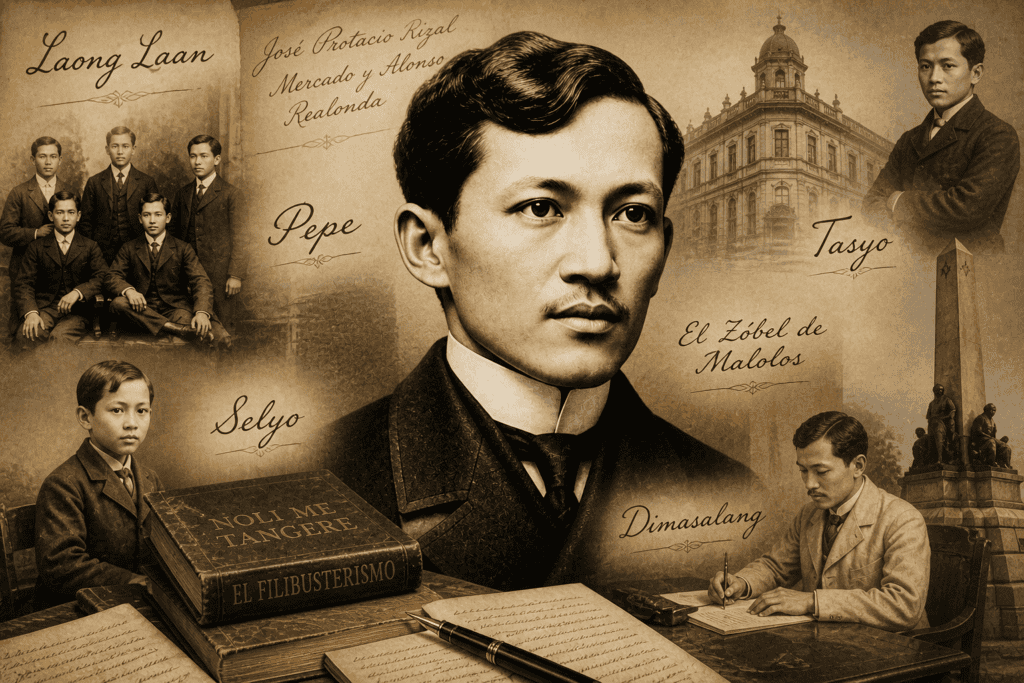
The Names and Nicknames of José Rizal
Before he was a national hero, he was Pepe at the dinner table, Jose Mercado at the colonial port, and Doctor Uliman to the people of Calamba. Here are all of Rizal's names and what they meant.
El Filibusterismo: A Literary Analysis of Rizal’s Darkest Novel
El Filibusterismo is what Rizal wrote when he stopped believing the system could be reformed. Four years after the Noli, the hope is gone — and what replaces it is more honest, more dangerous, and more enduring.
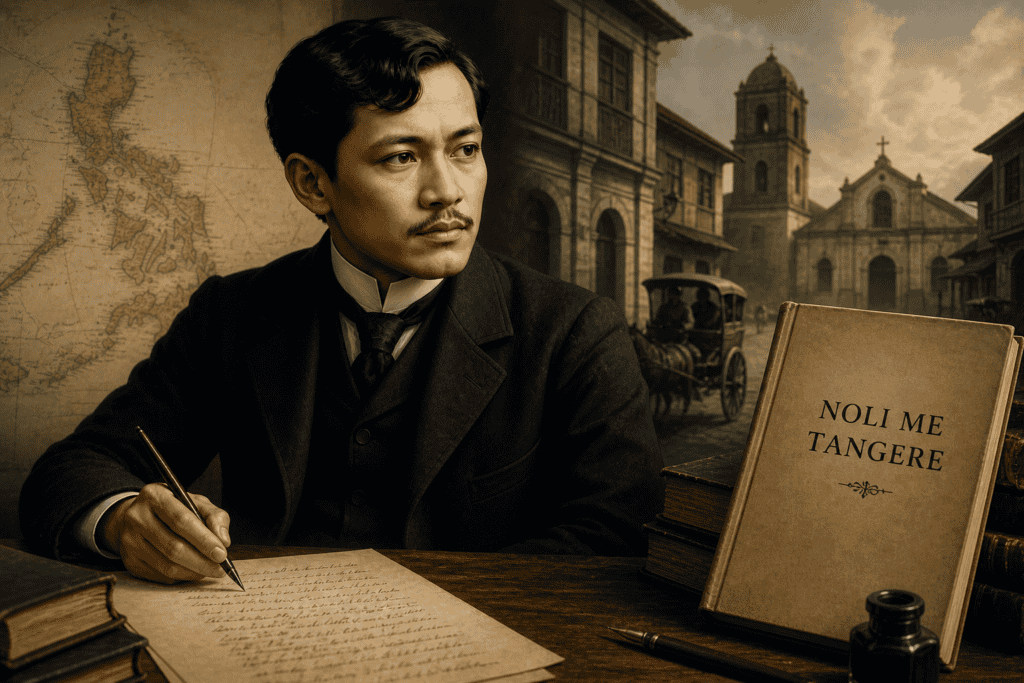
Noli Me Tangere: A Literary Analysis of Rizal’s First Novel
Rizal could not find a printer in Spain willing to touch it. He paid for the Berlin printing himself. What he had written was not a political treatise — it was a story, which is why it worked.