Works
This category examines Rizal’s novels, essays, poetry, letters, and scientific writings, highlighting how each piece contributed to the awakening of Filipino consciousness. The goal is to show not only what Rizal wrote but why it mattered.
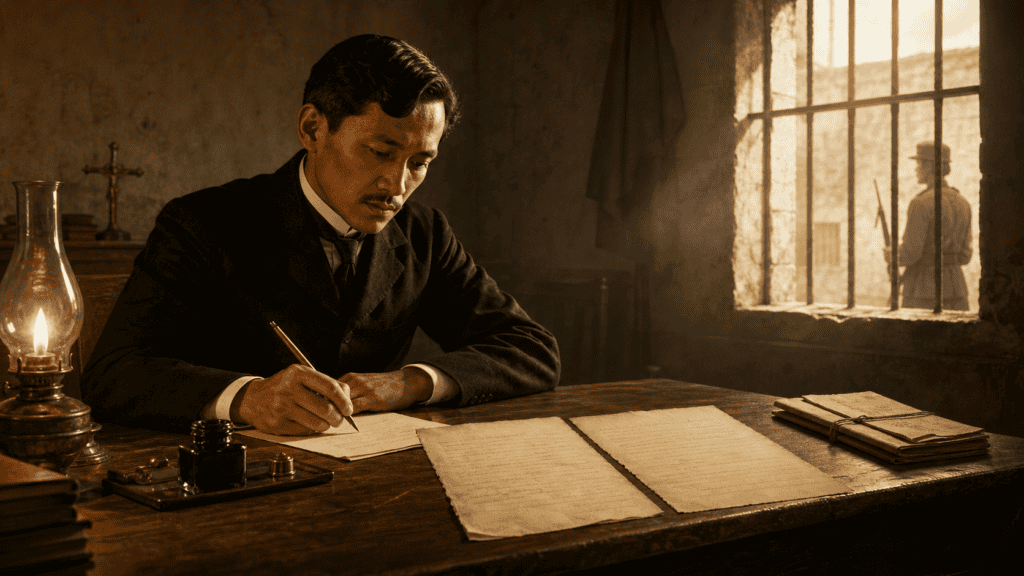
Mi Último Adiós and My Last Farewell: Side by Side
Rizal wrote the poem on his last night and hid it in an alcohol stove. Here is the Spanish original beside the Derbyshire translation, stanza by stanza, with notes on what each one means.
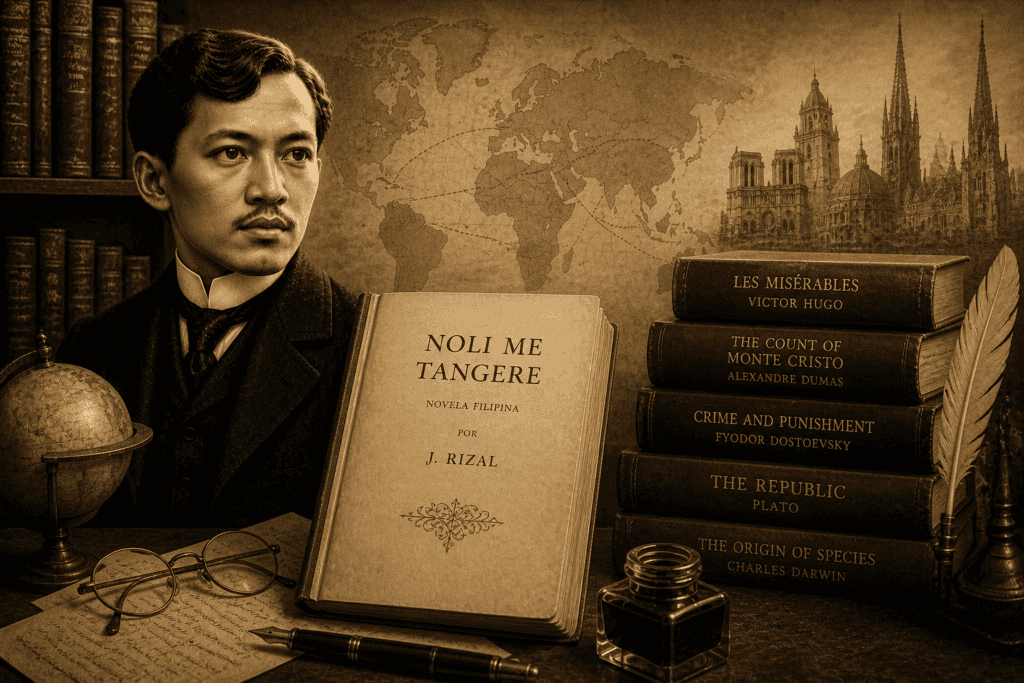
Noli Me Tangere as World Literature
Written in Spanish by a Filipino in Berlin, published in 1887, banned by the government it exposed, it helped end a colonial empire. But most people outside the Philippines have never heard of it.
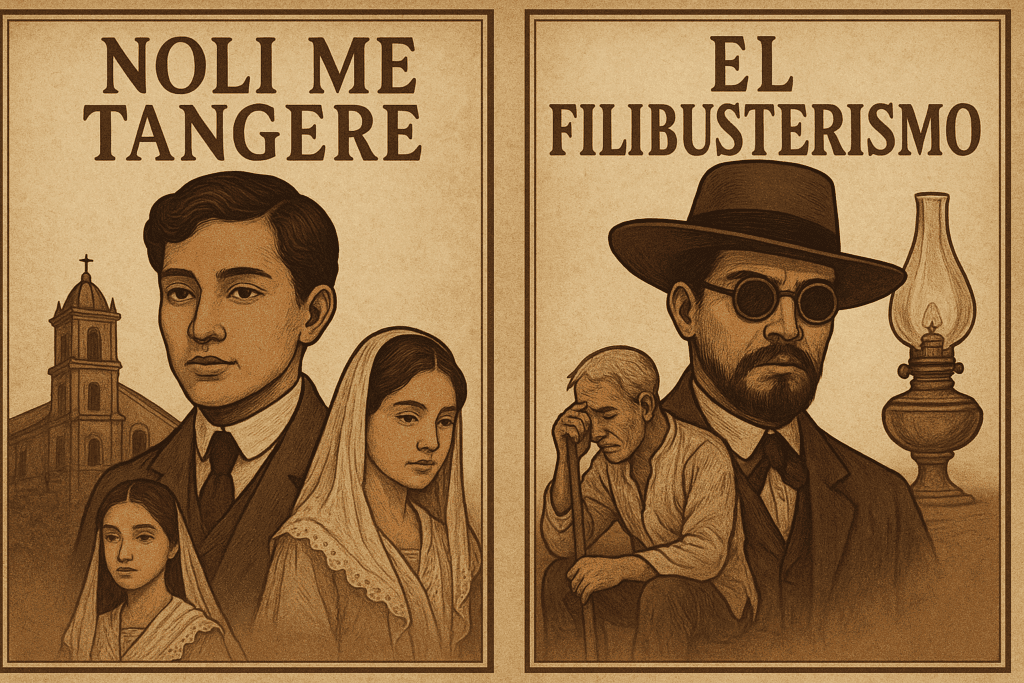
Noli Me Tangere vs. El Filibusterismo: What Changed Between the Two Novels
Rizal wrote two novels. The first exposed a colonial society to itself. The second asked what happens when it refuses to change. They are not a story and its sequel — they are a before and after.

The Poems of José Rizal
Rizal wrote poetry from childhood to the night before his execution. Here is a guide to all of it — organized by period, with notes on each poem and links to the full texts.
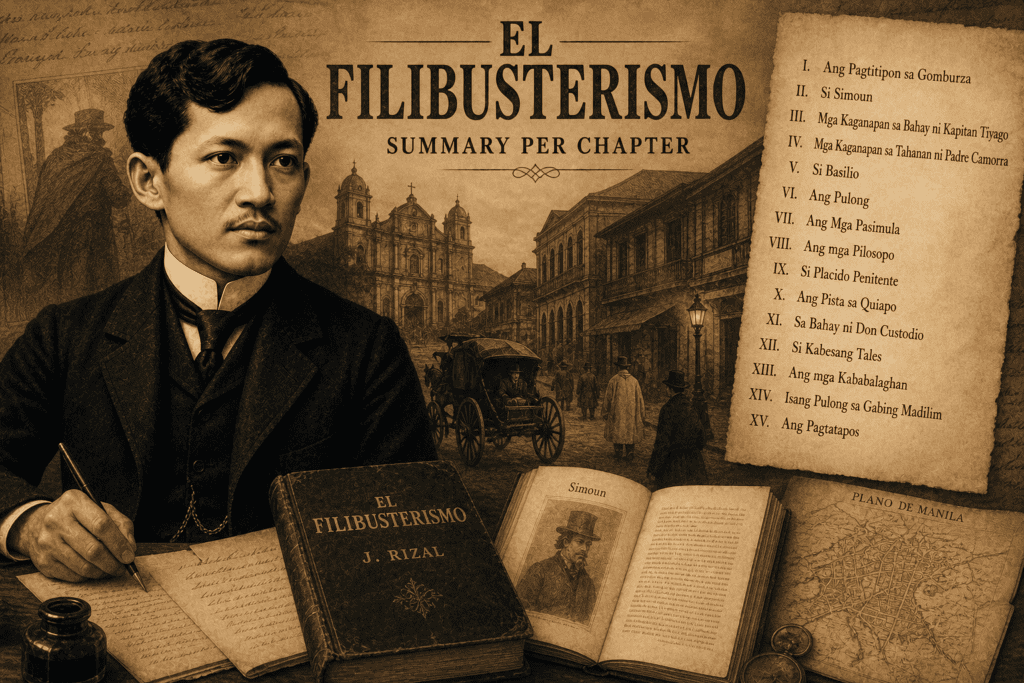
El Filibusterismo: Chapter-by-Chapter Summary
All 39 chapters of El Filibusterismo, summarized clearly and in order — from Simoun's arrival on the Tabo to Padre Florentino throwing the treasure into the sea.

Kundiman (English Version): Full Poem and Analysis
Explore José Rizal’s Kundiman in its English version with full text, background, and a detailed analysis of its themes of sorrow, hope, and love for the nation.
El Filibusterismo: The Sequel That Asked Whether Revolution Was Worth It
The first novel exposed what was wrong. The second asked what to do about it. Darker and more desperate than its predecessor, El Filibusterismo is Rizal's most dangerous book — and his most honest one.
Major Works of José Rizal
José Rizal's novels, essays, poems, and letters formed the intellectual core of Philippine nationalism — and helped bring down a colonial empire.

El Filibusterismo: A Literary Analysis of Rizal’s Darkest Novel
El Filibusterismo is what Rizal wrote when he stopped believing the system could be reformed. Four years after the Noli, the hope is gone — and what replaces it is more honest, more dangerous, and more enduring.
Noli Me Tangere: A Literary Analysis of Rizal’s First Novel
Rizal could not find a printer in Spain willing to touch it. He paid for the Berlin printing himself. What he had written was not a political treatise — it was a story, which is why it worked.
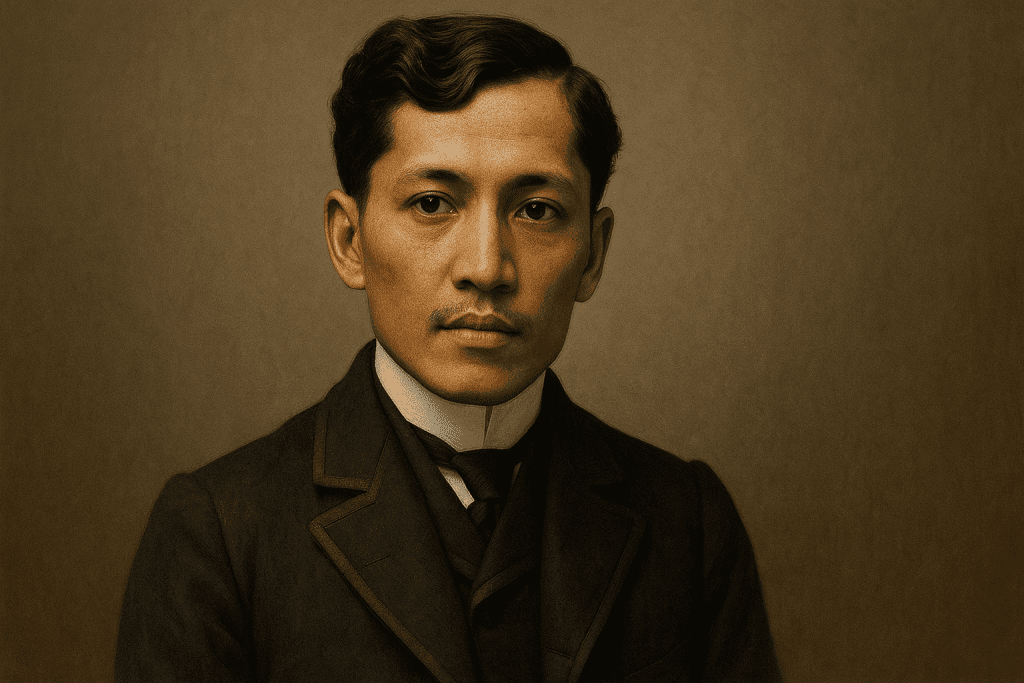
The Complete Works of José Rizal
Two novels that brought down a colonial empire. Dozens of essays and poems. Translations of Schiller and Andersen into Tagalog. Sculptures, paintings, and a relief map built by hand in exile. This is the full range of what Rizal made in thirty-five years.
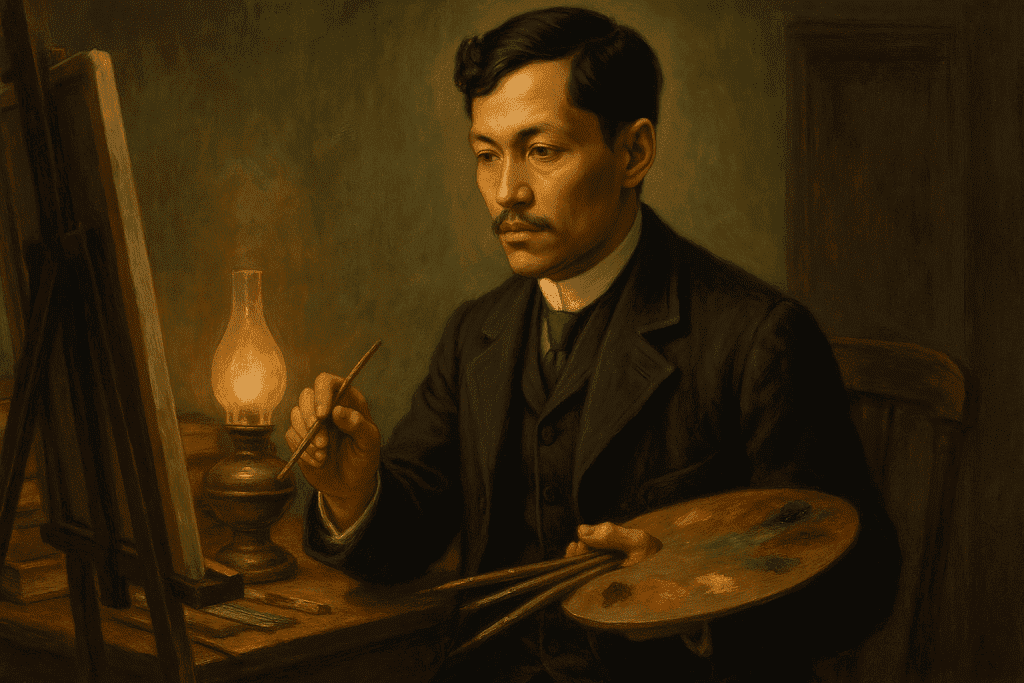
Rizal’s Paintings: The Artist Nobody Talks About
The novels get the attention. The medical degree gets the admiration. The execution gets the reverence. The painter — trained seriously, working in oil and crayon and shell — gets quietly left out.
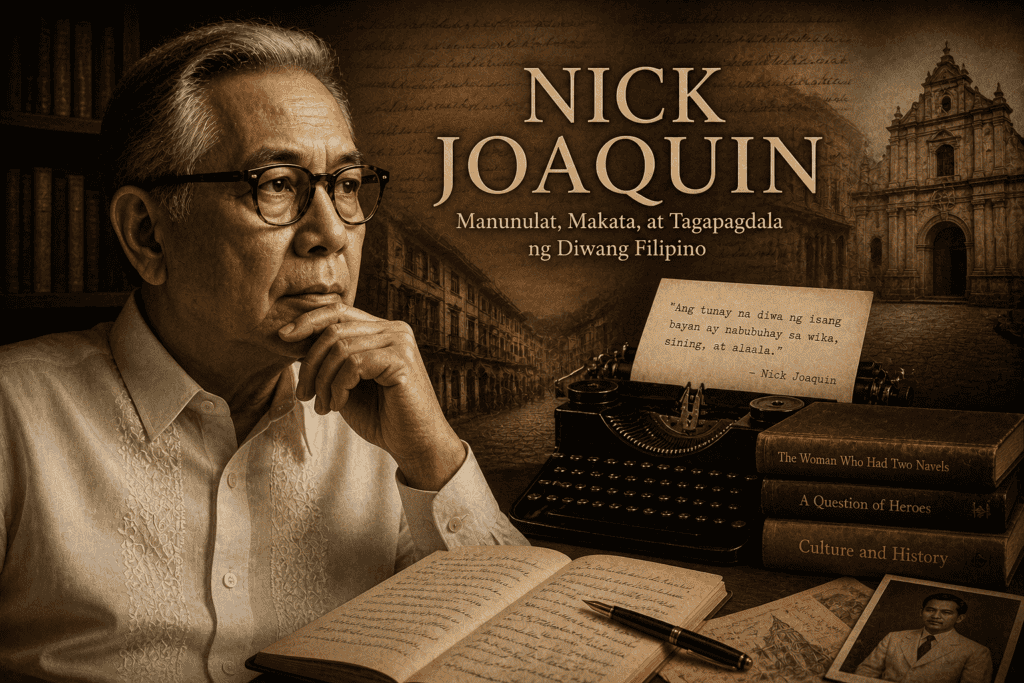
Nick Joaquín as Translator of Rizal: The Poet Who Gave Rizal a Voice in English
Rizal wrote in Spanish. By the mid-twentieth century, most Filipinos read in English. Someone had to carry the work across that gap — and the person who did it best was one of the finest Filipino writers of his generation.
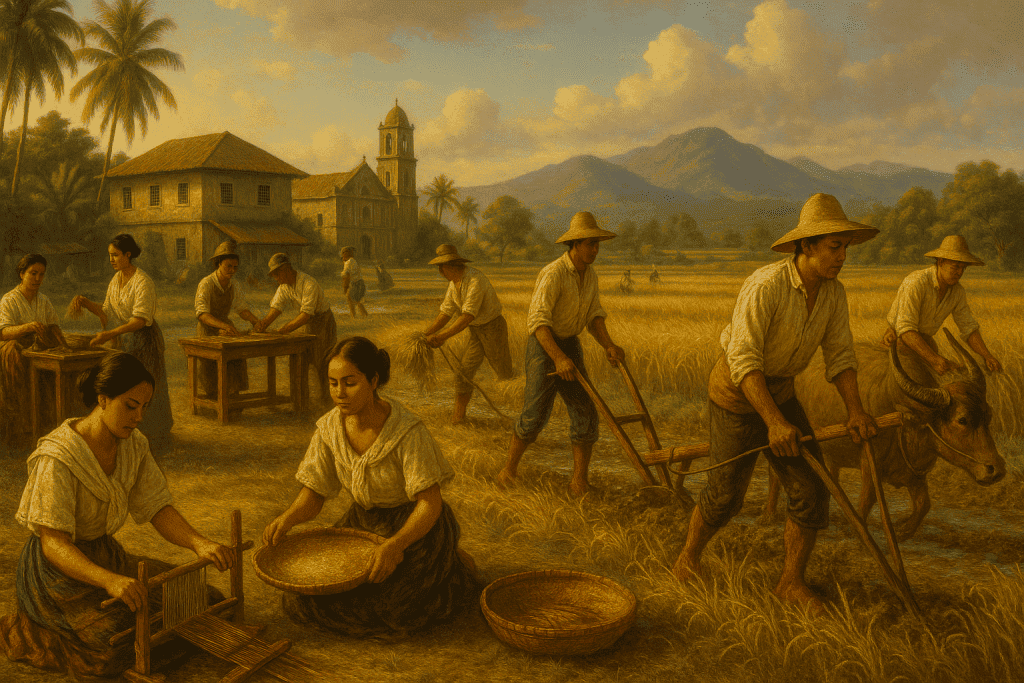
Imno sa Paggawa
The original Tagalog text of the poem Rizal wrote in January 1888 for his friends from Lipa, Batangas — translated into English as "Hymn to Labor."
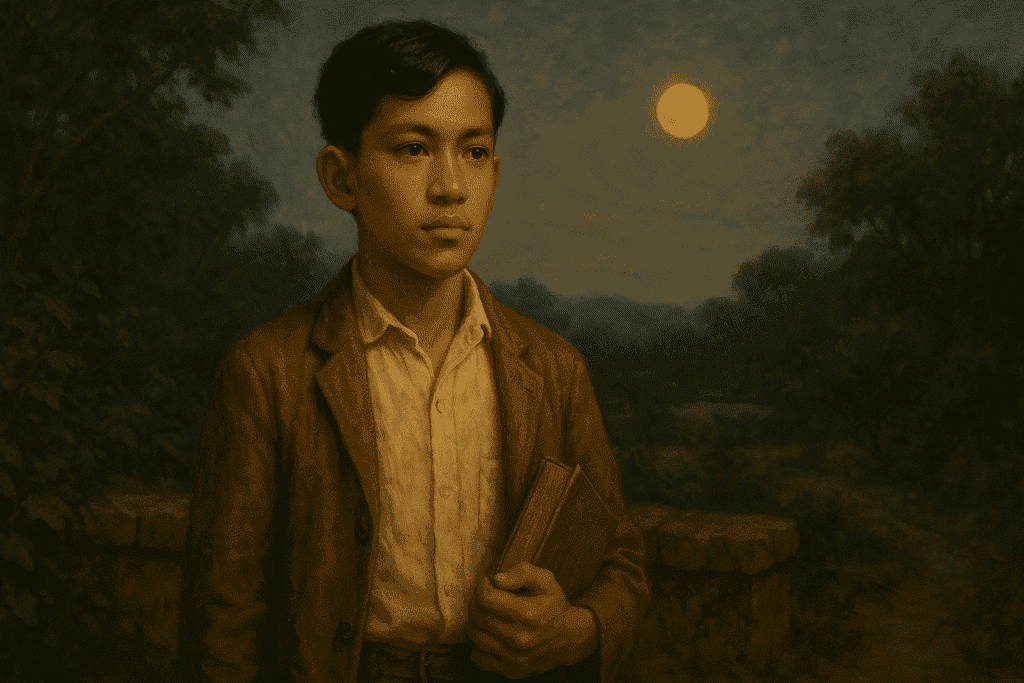
Sa Kabataang Pilipino
Explore José Rizal’s “Sa Kabataang Pilipino” with its background, full text, and a detailed analysis of its message for the Filipino youth.
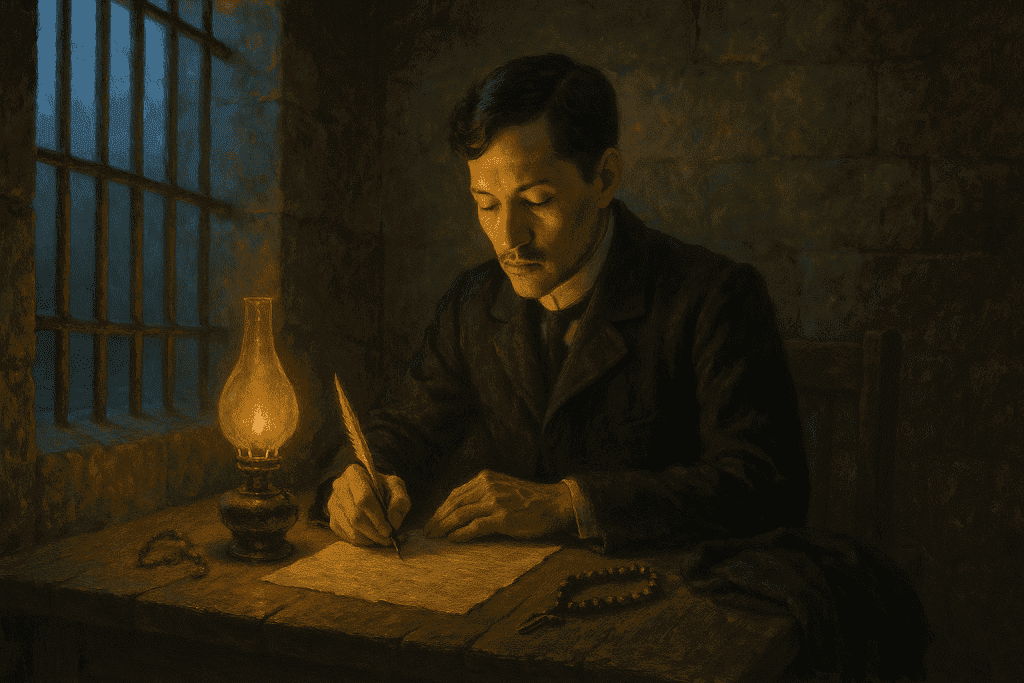
Huling Paalam
“Huling Paalam” is the Tagalog translation of Jose Rizal’s Mi Último Adiós, most popularly rendered by Andres Bonifacio. Fierce, lyrical, and deeply Filipino, “Huling Paalam” introduces Rizal’s final message to a wider audience by expressing it in the national language that would later define the Filipino identity.
My Last Thought
This poem is the English translation of the Spanish poem "Mi Ultimo Adios."
Felicitación
When he was 14 years old, Rizal wrote this poem in Spanish for his brother-in-law.
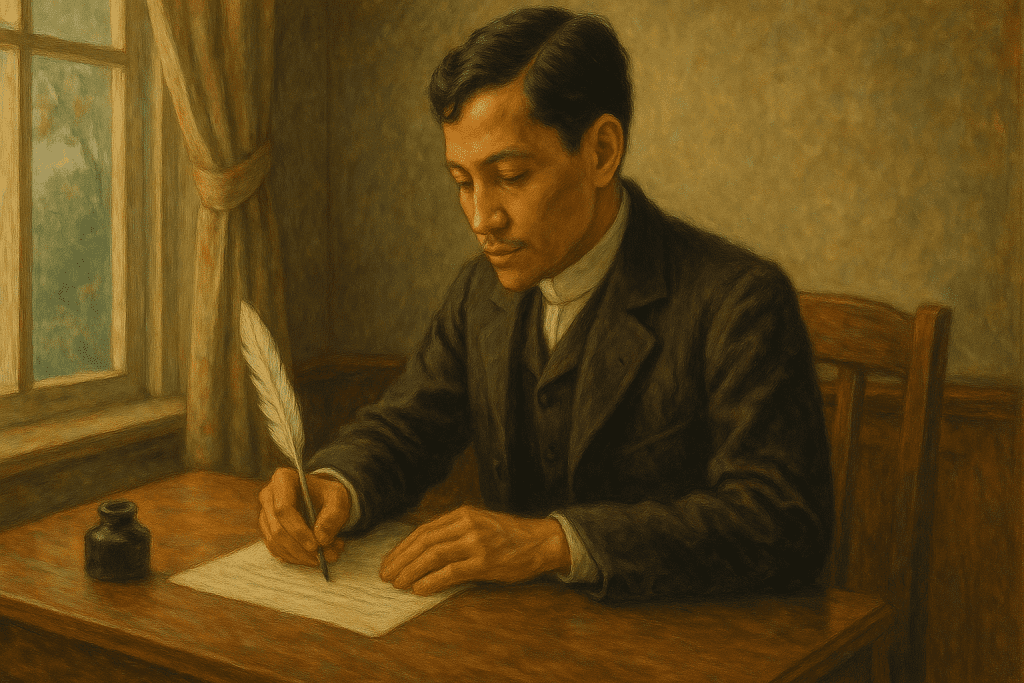
Mi Retiro: Background, Full Poem, and Analysis
Explore José Rizal’s original Spanish poem Mi Retiro with its full text, historical background, and a detailed analysis of its themes and meaning.
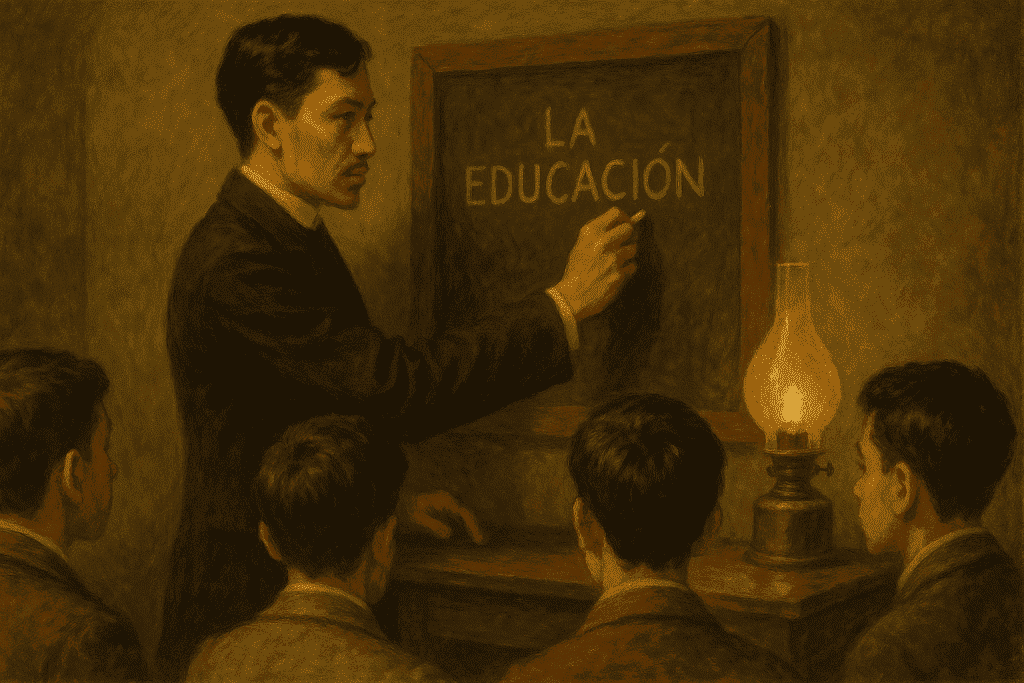
Por La Educación (Recibe Lustre La Patria)
Rizal wrote the poem 'Por La Educación (Recibe Lustre La Patria)' to highlight the importance of education to the country and its citizens.