Legacy
This category focuses on how Rizal’s ideas, sacrifices, and writings continue to shape Philippine identity more than a century after his death. It covers the movements he inspired, the values he championed, and the ongoing debates about his role in nation-building.
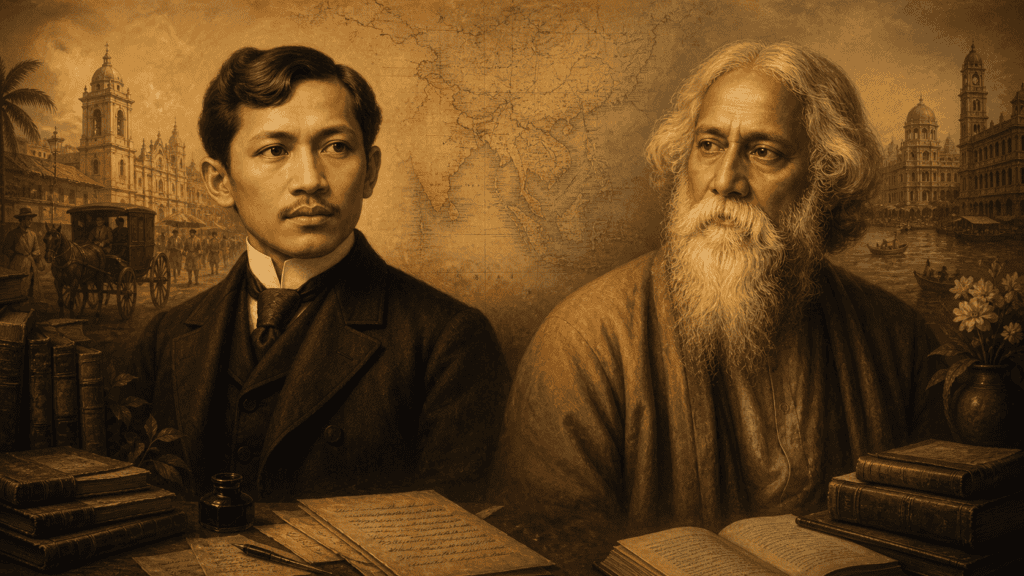
Rizal and Tagore: Asian Intellectuals in a Colonial World
Born the same year, colonized by different empires, and never meeting — Rizal and Tagore asked the same questions about freedom, education, and what a people owes itself.

The Best Books on José Rizal (For Every Type of Reader)
Not all Rizal books are created equal. Here's a guide to the best — Rizal's own novels, the top biographies, which editions to buy, and what serious scholars read.
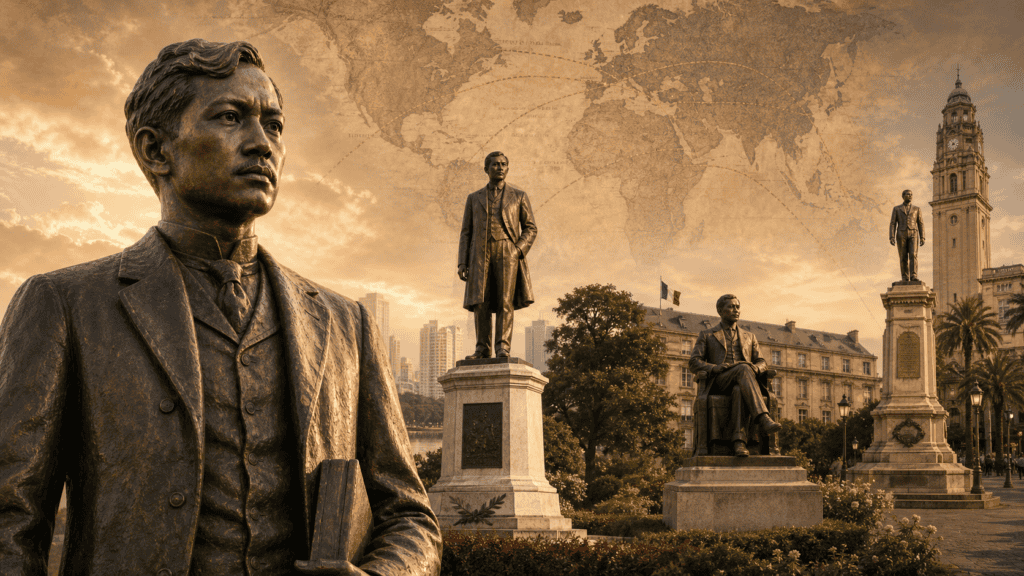
Rizal Monuments Around the World: A Hero Without Borders
Most national heroes stay home. Rizal did not — and neither has his legacy. Across four continents, in cities he visited and cities he never saw, monuments to the Filipino hero mark something that no single country can fully claim.
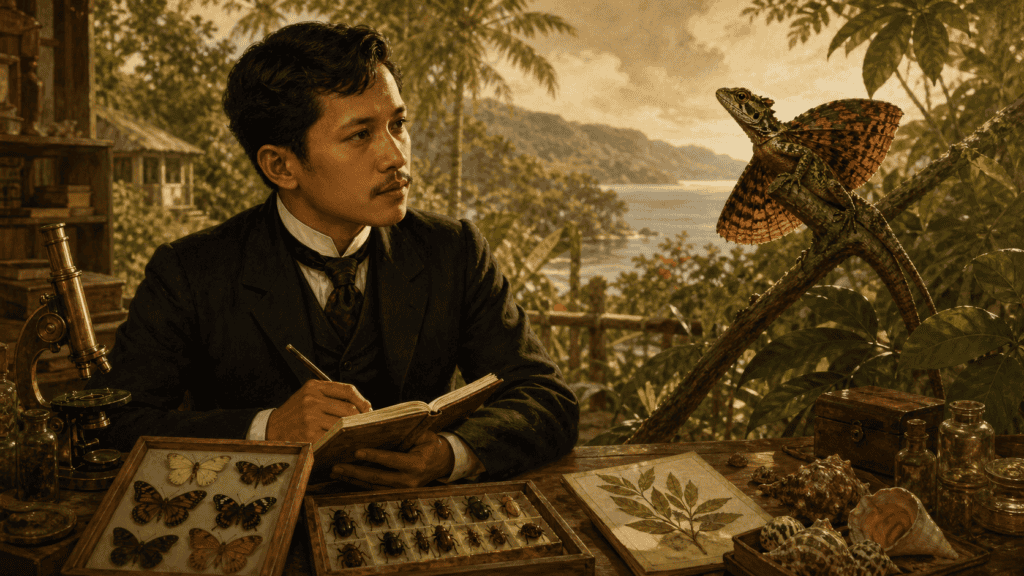
The Species Named After Rizal: Draco Rizali and the Naturalist of Dapitan
A flying lizard, a tree frog, two beetles, a cricket, and a weevil all carry Rizal's name in the scientific record. Here is how that happened.
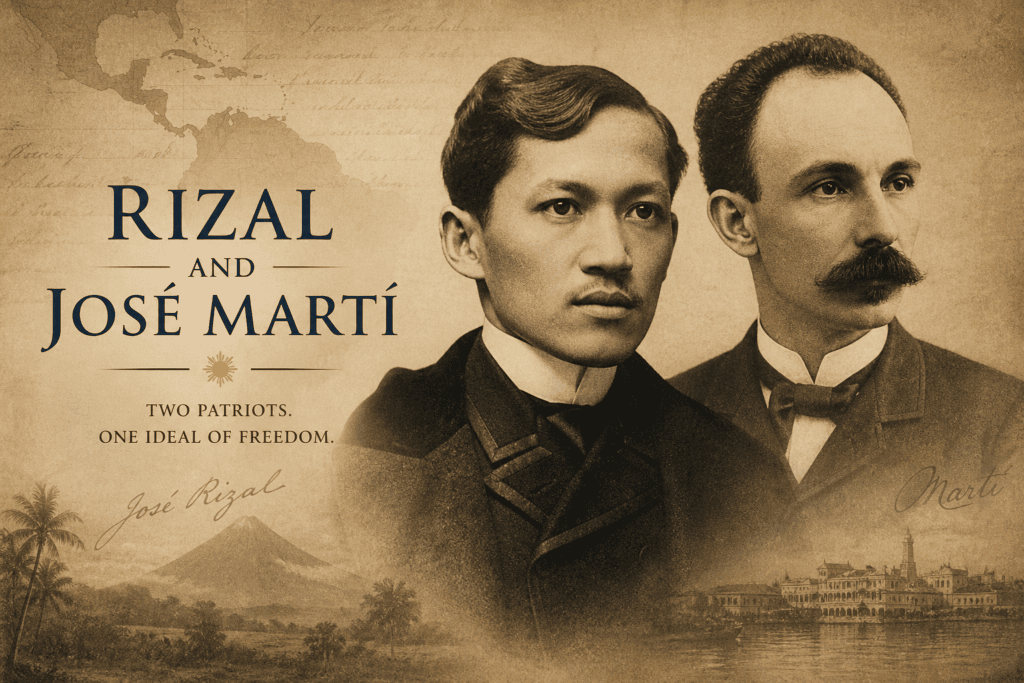
Rizal and José Martí: Two Writers Who Died for Their Nations
They never met. One died in the Philippines, one in Cuba. In 1895 and 1896, the Spanish Empire killed them both.
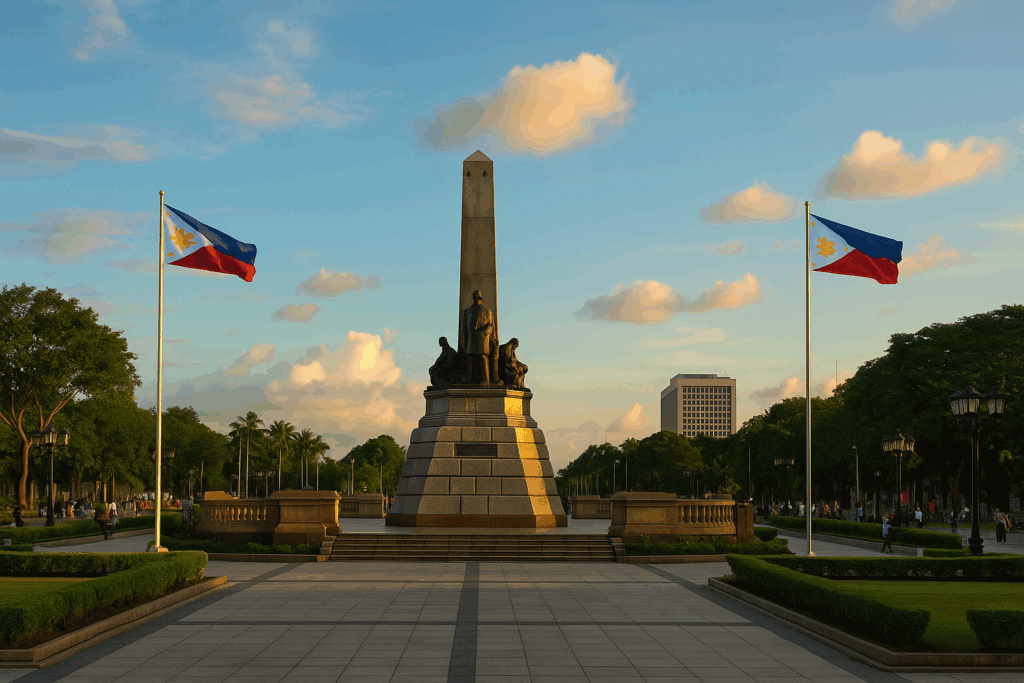
Rizal Park: A Visitor’s Guide to Manila’s Most Historic Green
Rizal Park looks like any city green. It isn't. This is where the Philippines began. A visitor's guide to Luneta and everything around it.
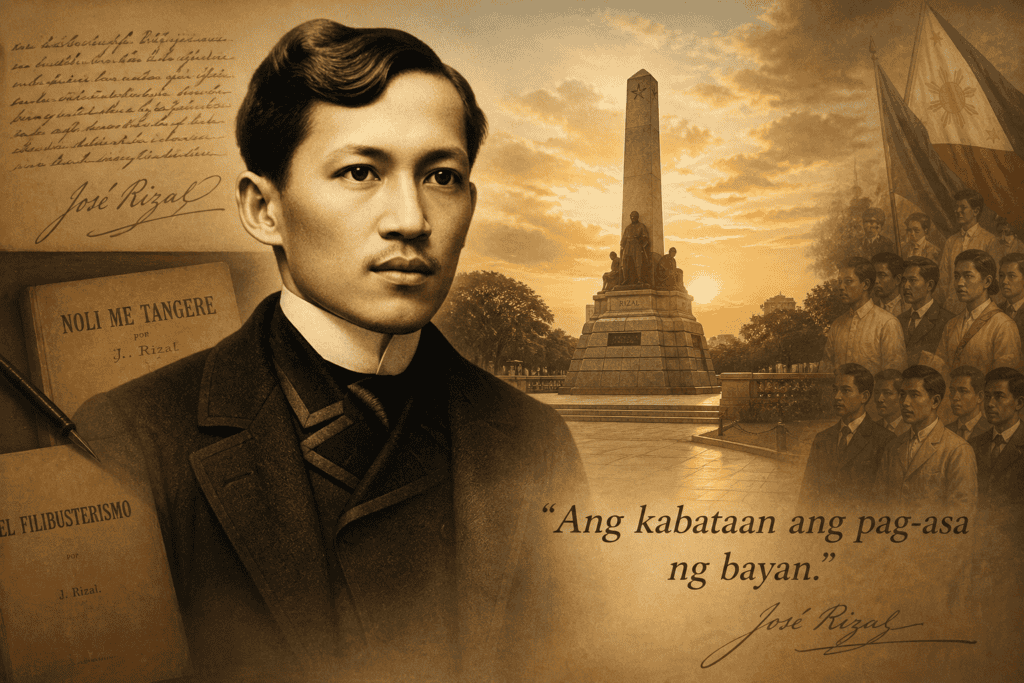
Rizal’s Legacy: What He Left Behind and Why It Still Matters
Legacies are easy to inflate. The useful question is not whether Rizal mattered but how, specifically — and with what complications. The honest answer is more interesting than the ceremonial one.
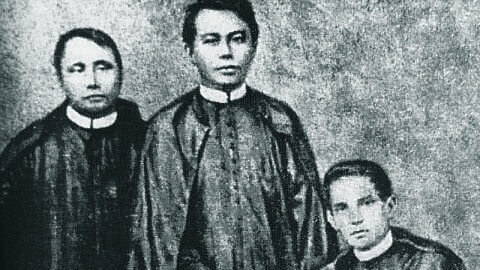
Rizal’s Reforms and Resistance: How a Nation Awakened
Rizal spent his adult life trying to prevent the revolution that broke out in his name. Here is what he was asking for, why he was refused, and how the refusal made the revolution inevitable.
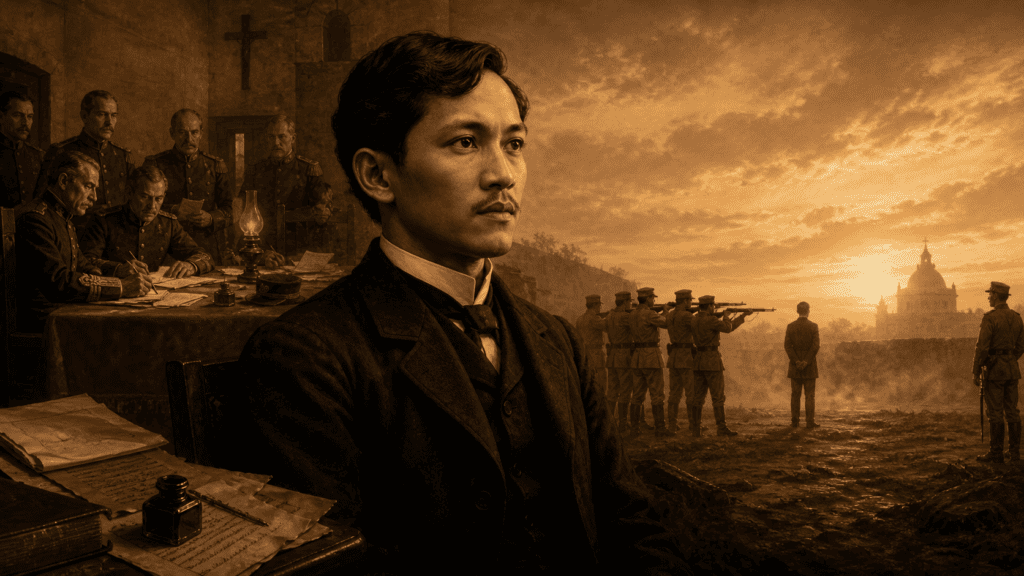
Rizal’s Trial and Execution
The Spanish colonial government needed three things from the trial of José Rizal: speed, the appearance of legality, and a guilty verdict. They got all three. What they did not anticipate was what the execution would do to the country they were trying to pacify.
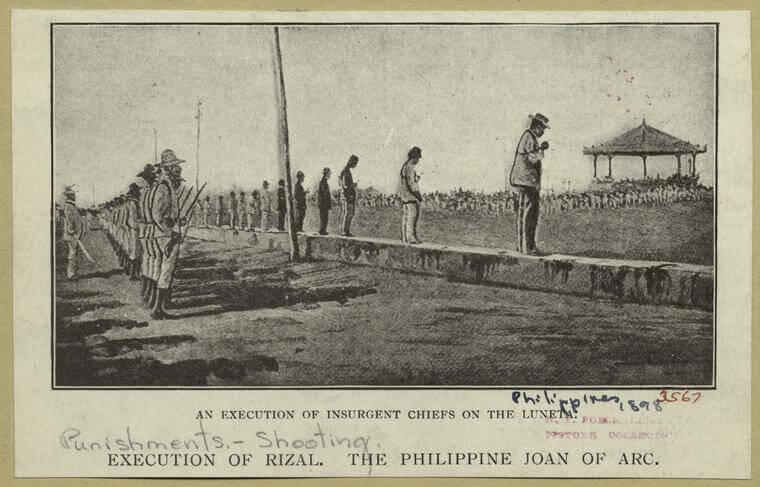
José Rizal’s Last Words
Rizal's last words come in three forms: the poem he hid in an alcohol stove, the letters he wrote through the night, and the words he spoke at Bagumbayan at dawn. Here is the full account.
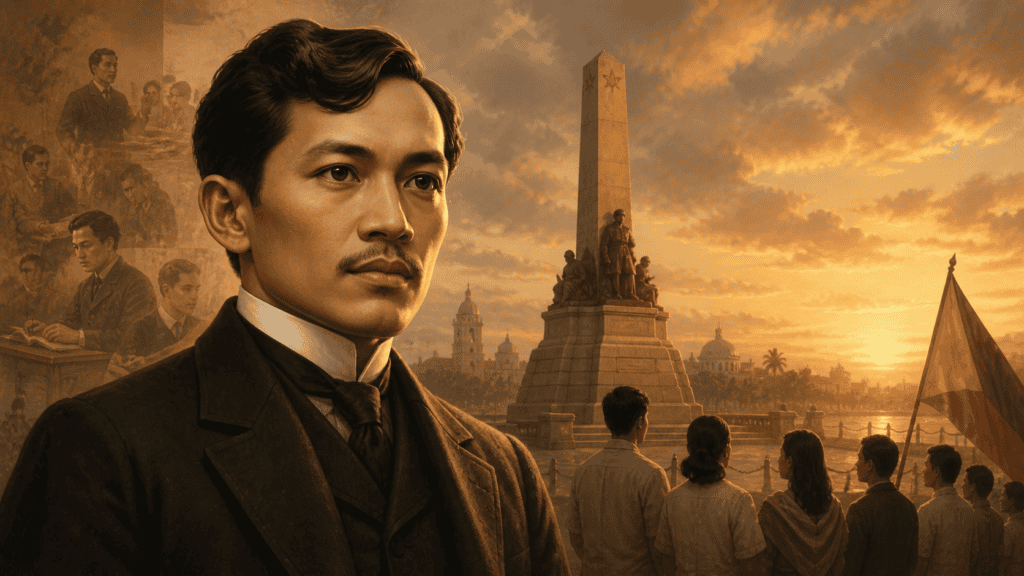
How Rizal Became the National Hero of the Philippines
No law ever declared Rizal the national hero of the Philippines. What actually happened is more complex — and more interesting — than any proclamation could be.
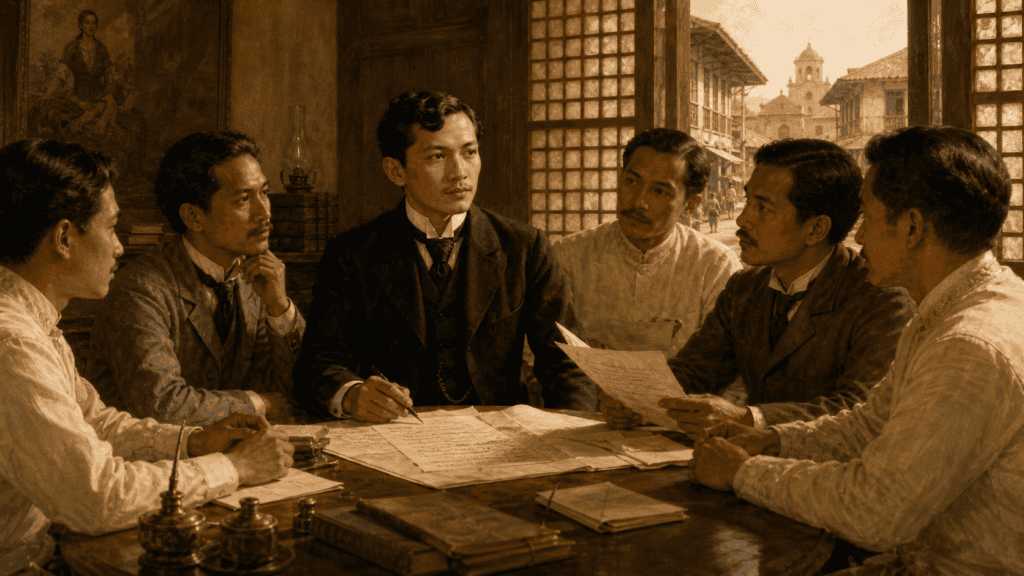
La Liga Filipina: The Organization That Lasted Four Days
Rizal founded La Liga Filipina on July 3, 1892 — a civic organization built for peaceful reform, with a constitution, elected officers, and a dues structure. Four days later, Spanish authorities arrested him and deported him to Dapitan.
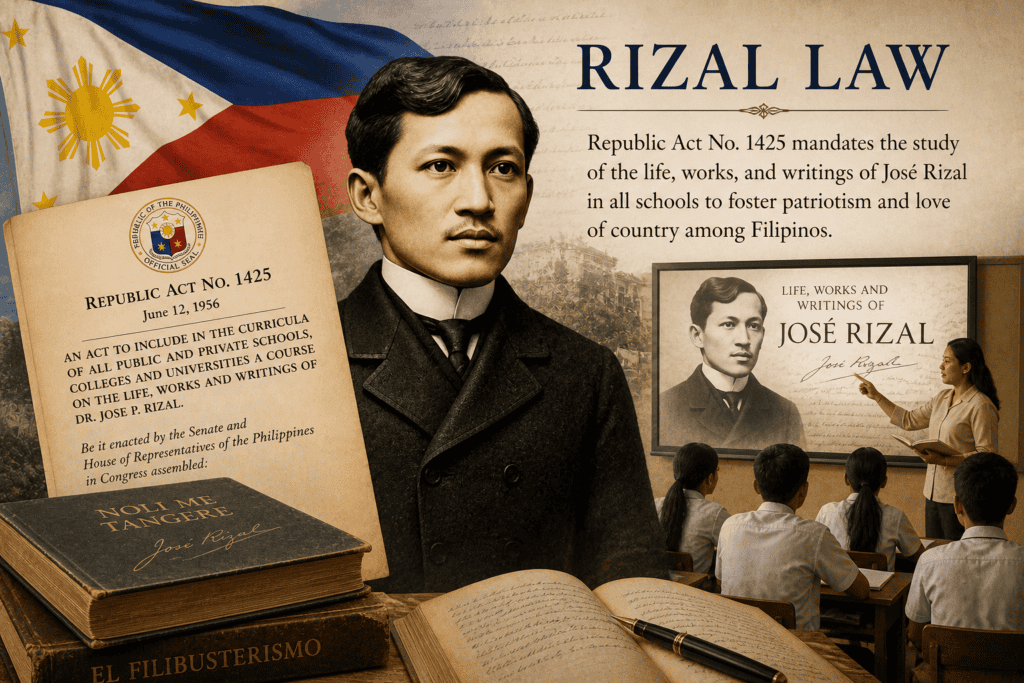
The Rizal Law: Republic Act No. 1425
Republic Act No. 1425 (the Rizal Law) has required every Filipino student to study Rizal's novels since 1956. Here is what the law says, how it passed, and why the debate over it never fully ended.
Opinion: Why Jose Rizal Still Matters to Modern Filipinos
Rizal left behind a practical guide for becoming the kind of citizens our country needs and deserves.
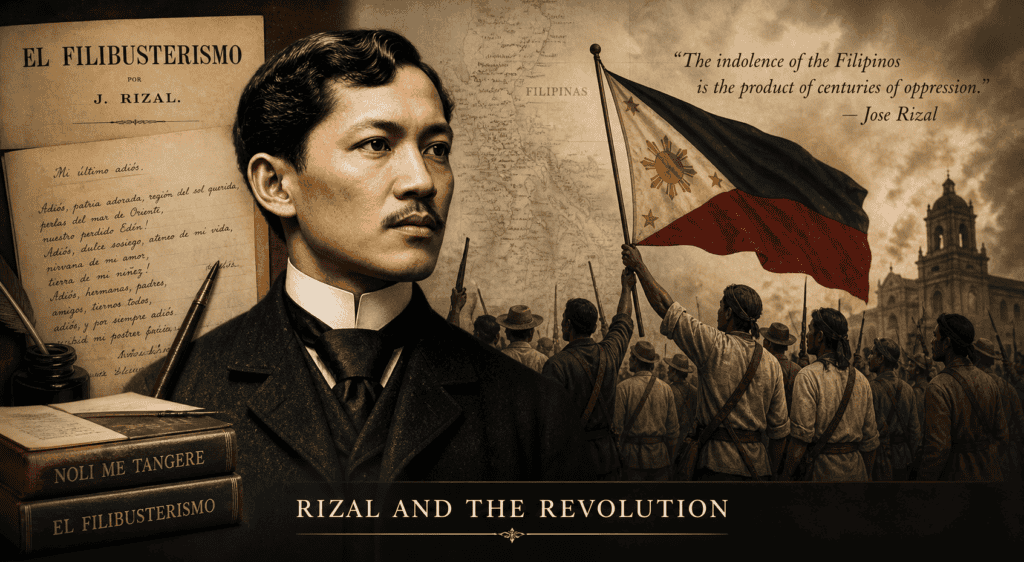
The Revolution Rizal Tried to Stop — And Inspired Anyway
Rizal did not want the Philippine Revolution. He told the Katipunan it was premature, refused to join it, and wrote a public manifesto against it from his prison cell. Then they executed him for it anyway.
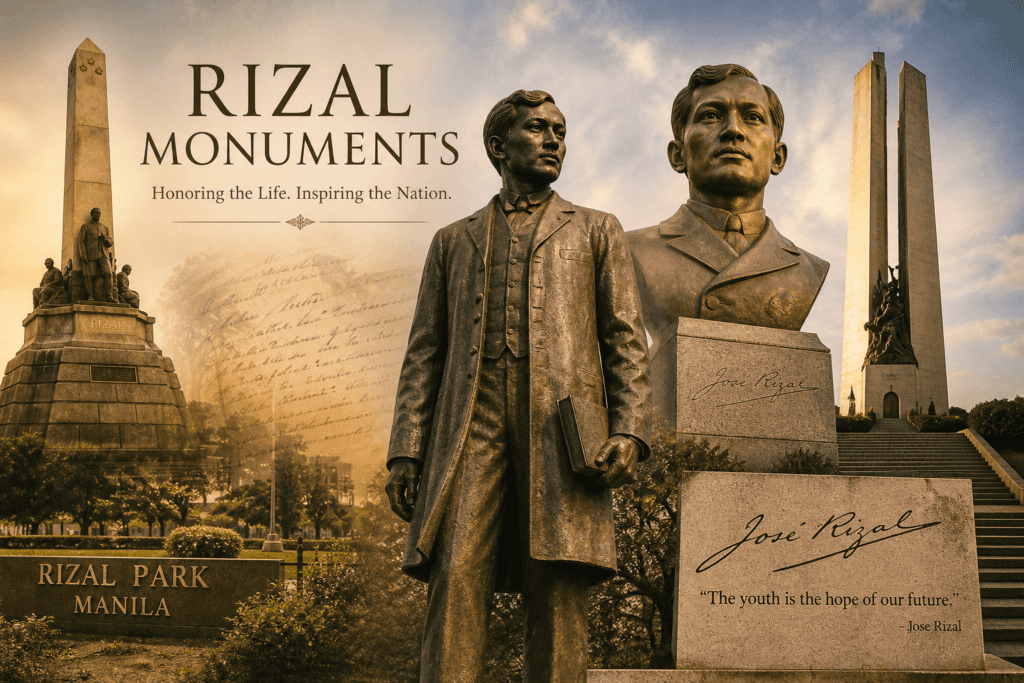
Rizal Monuments and Shrines in the Philippines
The Philippines has three major Rizal shrines, a national monument that serves as Kilometer Zero, and the oldest Rizal monument in the world — built in Daet in 1898, before the Americans arrived.
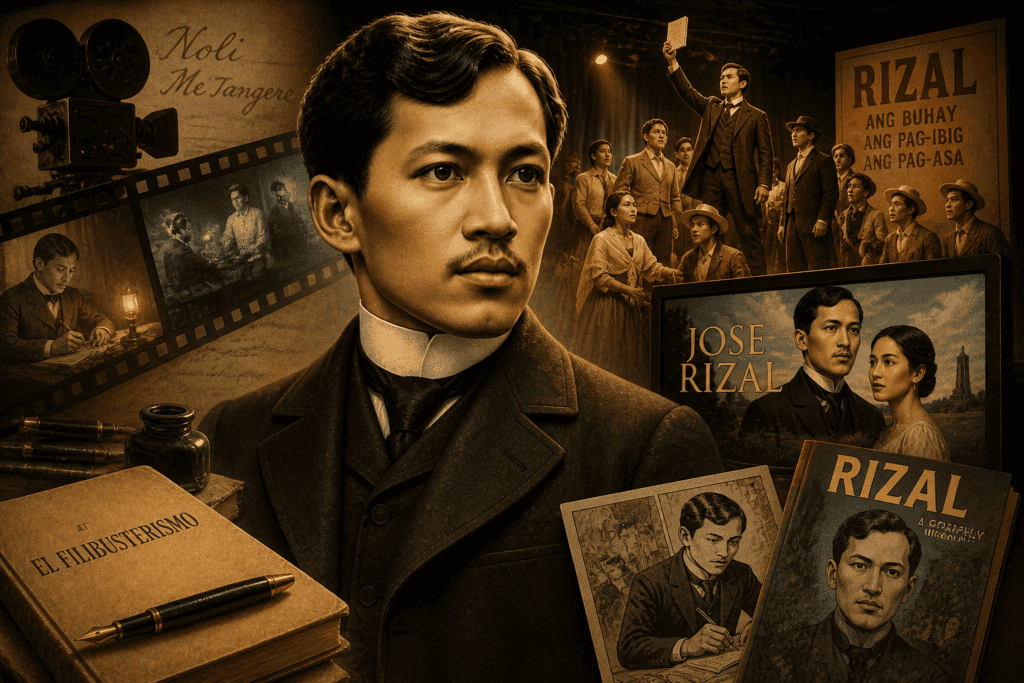
How Every Generation Has Reimagined Rizal
Rizal has been dead for over a century. In that time, he has been played by dozens of actors, staged in two operas, dissected in a black-and-white mockumentary, and adapted into a children's musical. Every generation restages him — because every generation needs to ask what he means to them.
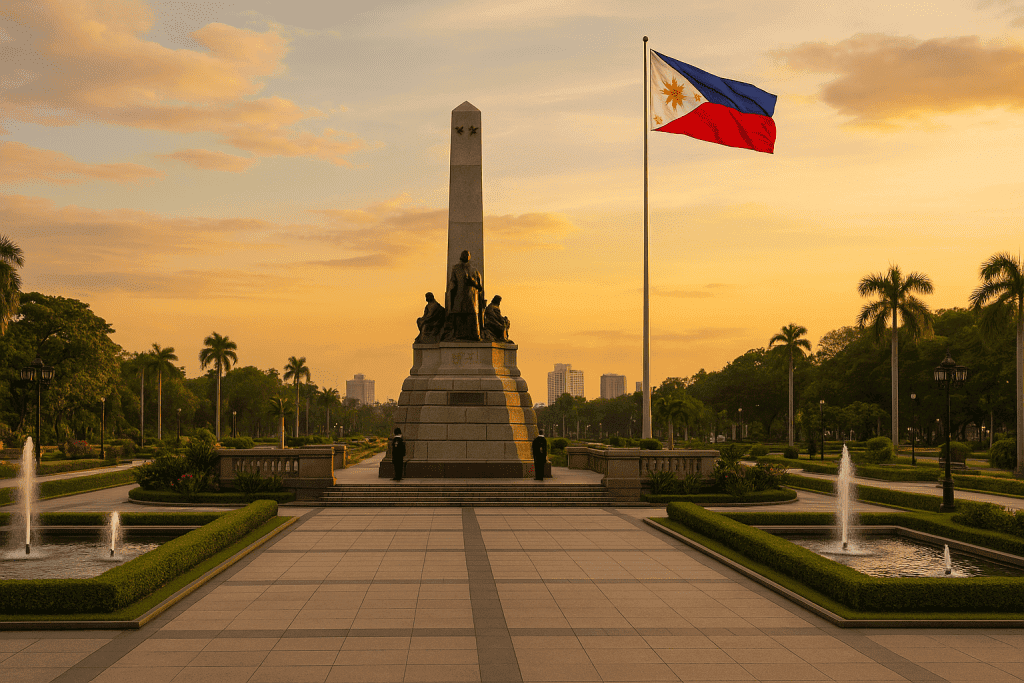
How Bagumbayan Became Rizal Park
The Spanish colonial government chose Bagumbayan for executions because it was visible. The message was the point. That same ground is now Rizal Park — and the distance between what it was and what it became is the story of a nation.