Blog
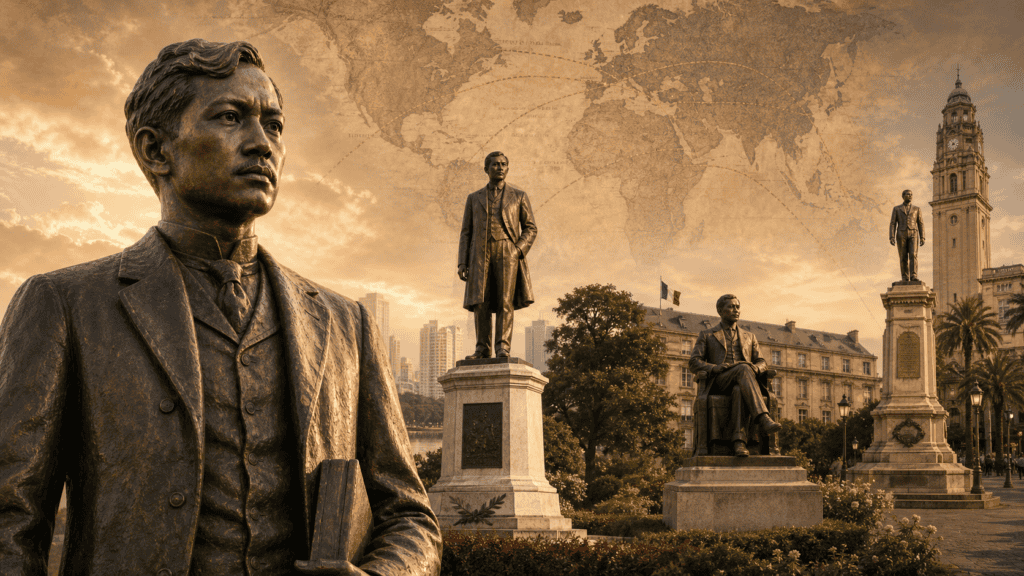
Rizal Monuments Around the World: A Hero Without Borders
Most national heroes stay home. Rizal did not — and neither has his legacy. Across four continents, in cities he visited and cities he never saw, monuments to the Filipino hero mark something that no single country can fully claim.
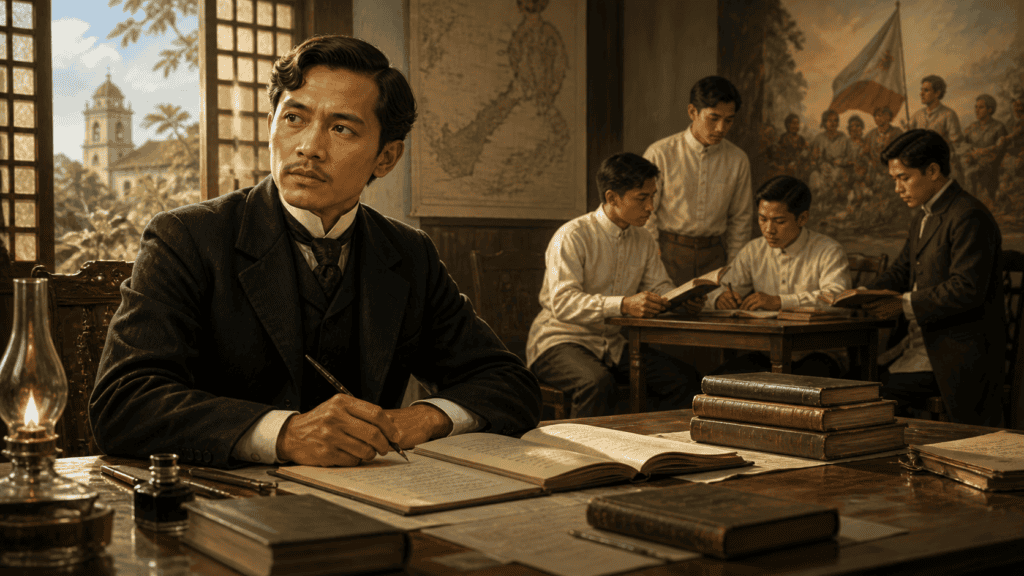
What Rizal Said About Youth — And What He Actually Meant
Everyone knows the line. Far fewer know what Rizal meant by it: or how his view of youth became sharper, tougher, and less comforting over time.

The Many Minds of José Rizal: Doctor, Novelist, Sculptor, Naturalist
Rizal was a doctor, a novelist, a sculptor, a naturalist, and a linguist fluent in over twenty languages — all before the age of 35. Here's what that actually looked like.
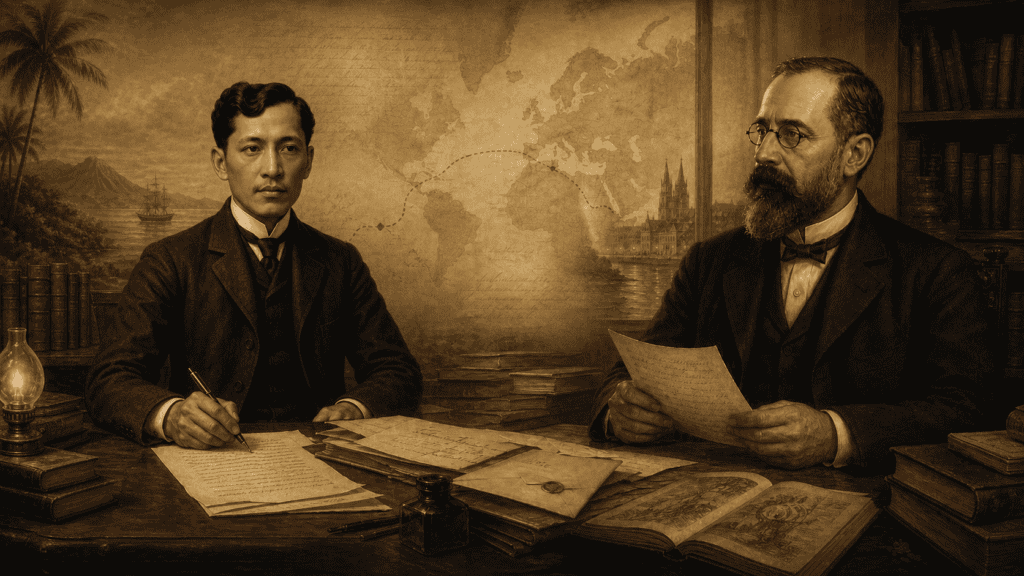
Rizal and Blumentritt: An Unlikely Friendship Across Continents
A Filipino student in Heidelberg wrote to an Austrian schoolteacher in his own language. They exchanged letters for ten years—until one faced a Spanish firing squad in Manila. The other never forgot him.
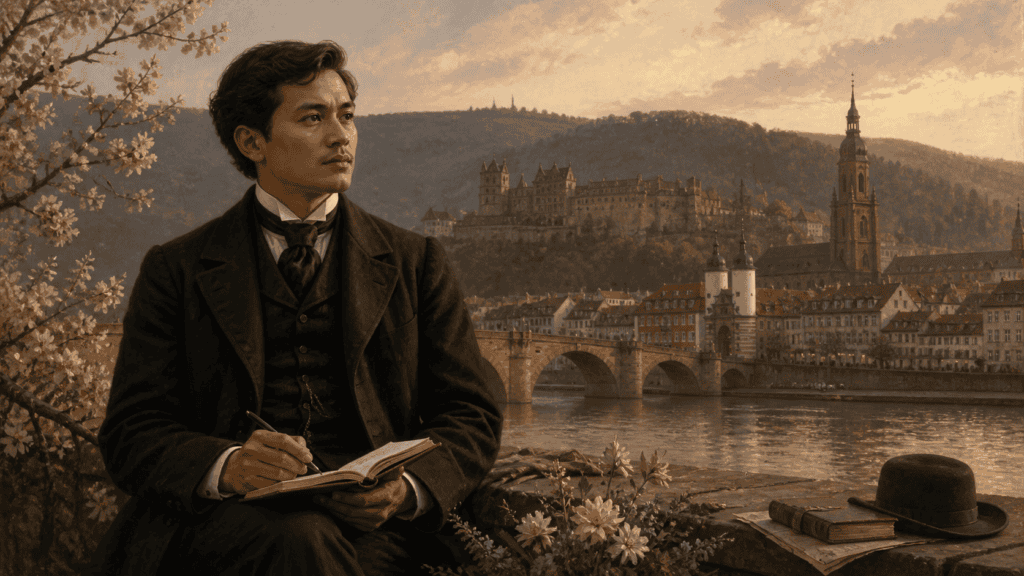
Rizal in Heidelberg: The Poem and the Place
Rizal spent six months in Heidelberg in 1886 — training under Germany's top eye specialist and writing a poem that still has a street named after it.
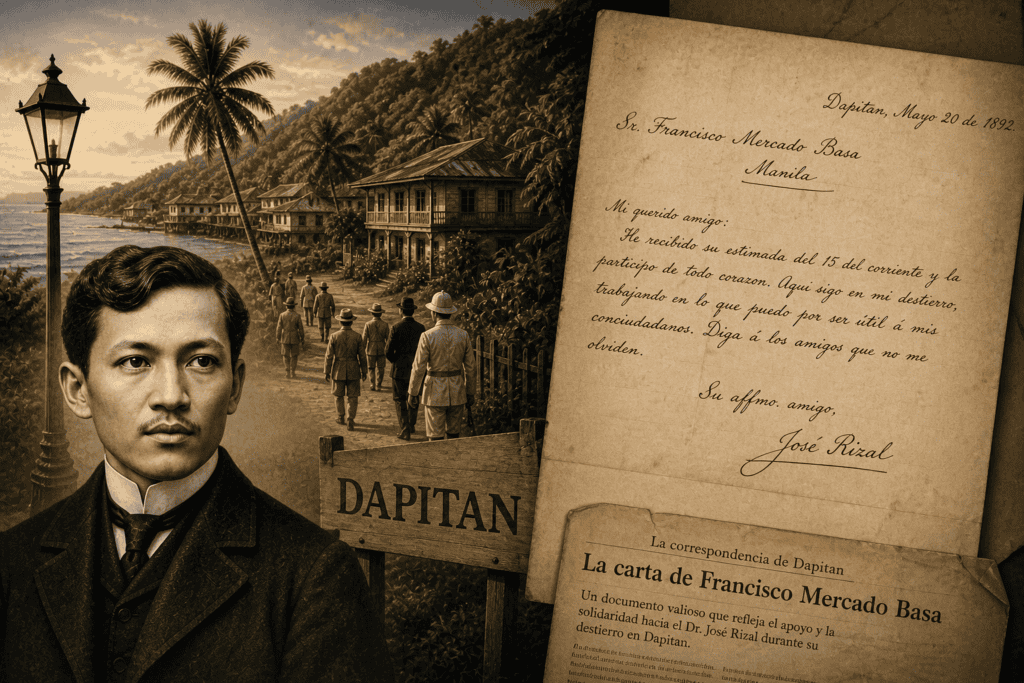
The Seditious Documents That Sent Rizal into Exile
Rizal's exile in 1892 was triggered by two documents: anti-friar pamphlets found in his luggage and an intercepted letter from his friend Basa in Hong Kong. Neither was what the colonial government claimed.
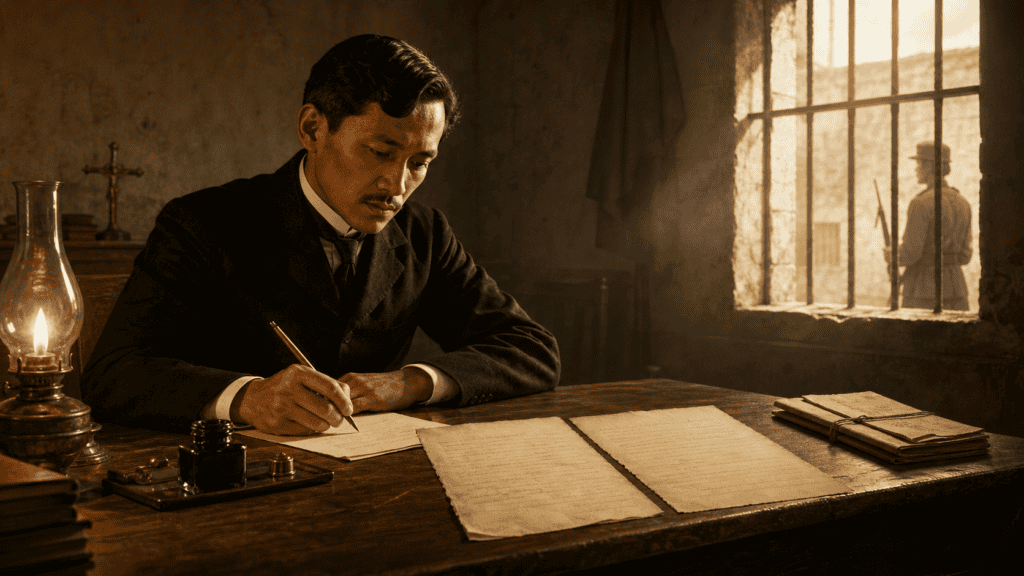
Mi Último Adiós and My Last Farewell: Side by Side
Rizal wrote the poem on his last night and hid it in an alcohol stove. Here is the Spanish original beside the Derbyshire translation, stanza by stanza, with notes on what each one means.
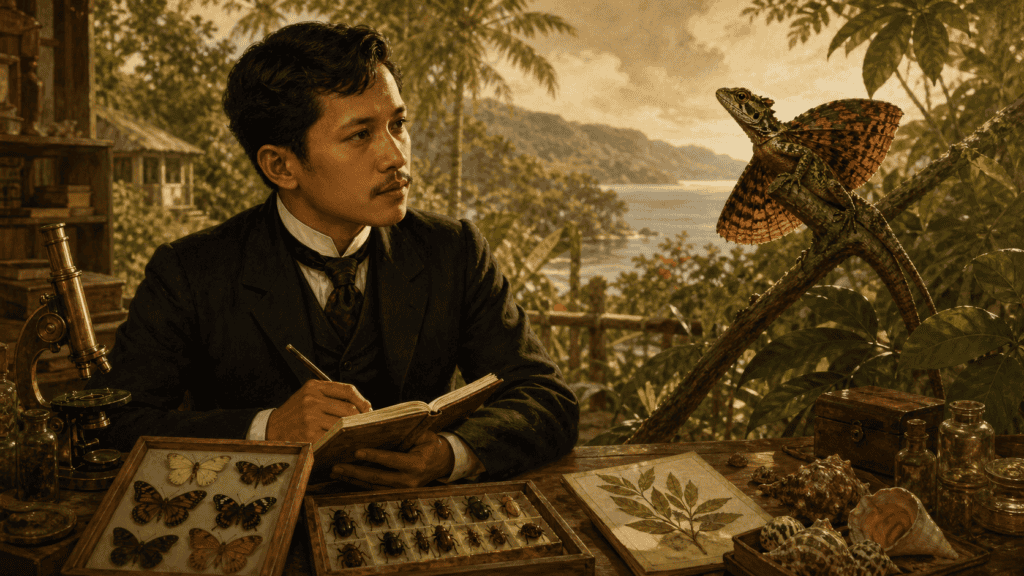
The Species Named After Rizal: Draco Rizali and the Naturalist of Dapitan
A flying lizard, a tree frog, two beetles, a cricket, and a weevil all carry Rizal's name in the scientific record. Here is how that happened.
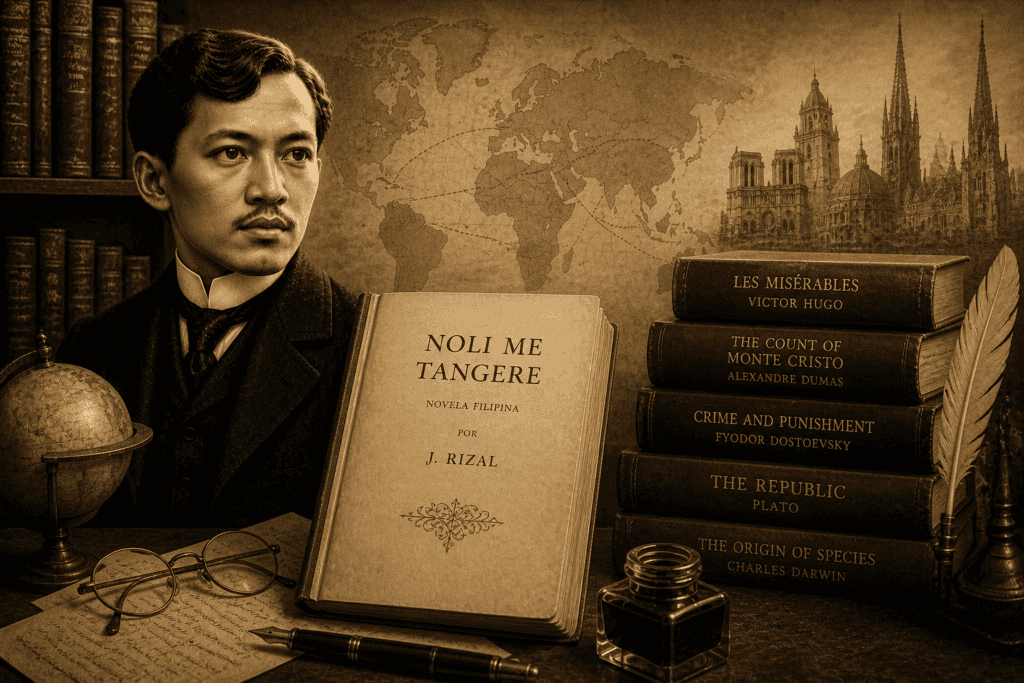
Noli Me Tangere as World Literature
Written in Spanish by a Filipino in Berlin, published in 1887, banned by the government it exposed, it helped end a colonial empire. But most people outside the Philippines have never heard of it.
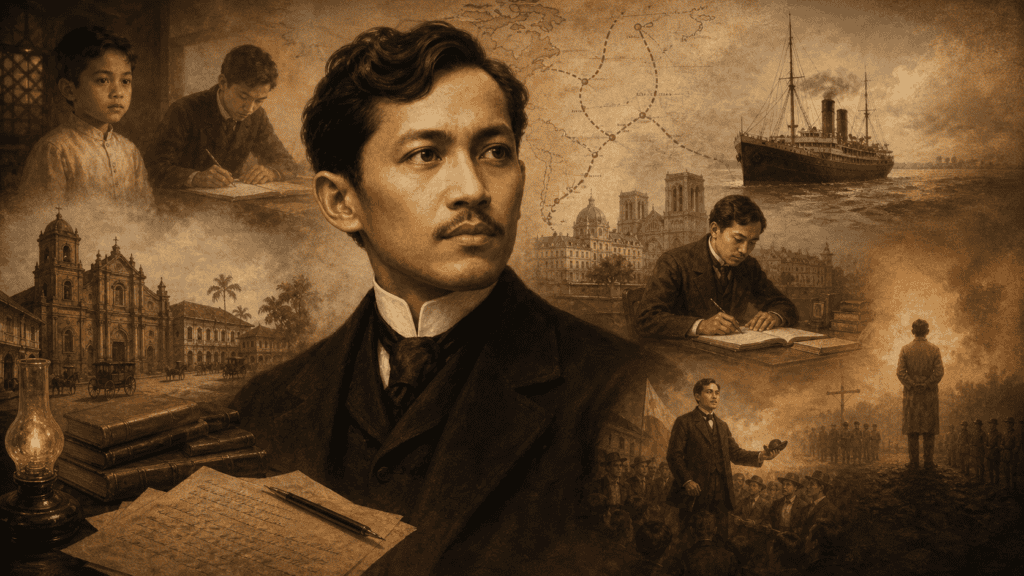
José Rizal: A Complete Timeline
Thirty-five years. Two banned novels. One civic organization that lasted four days. A final poem written the night before his execution. This is the complete timeline of José Rizal's life.

Rizal in London: His Year at the British Museum
In 1888, a 26-year-old Filipino doctor spent his days in the British Museum copying a 280-year-old colonial text by hand. He wasn't a student. He was building a weapon.
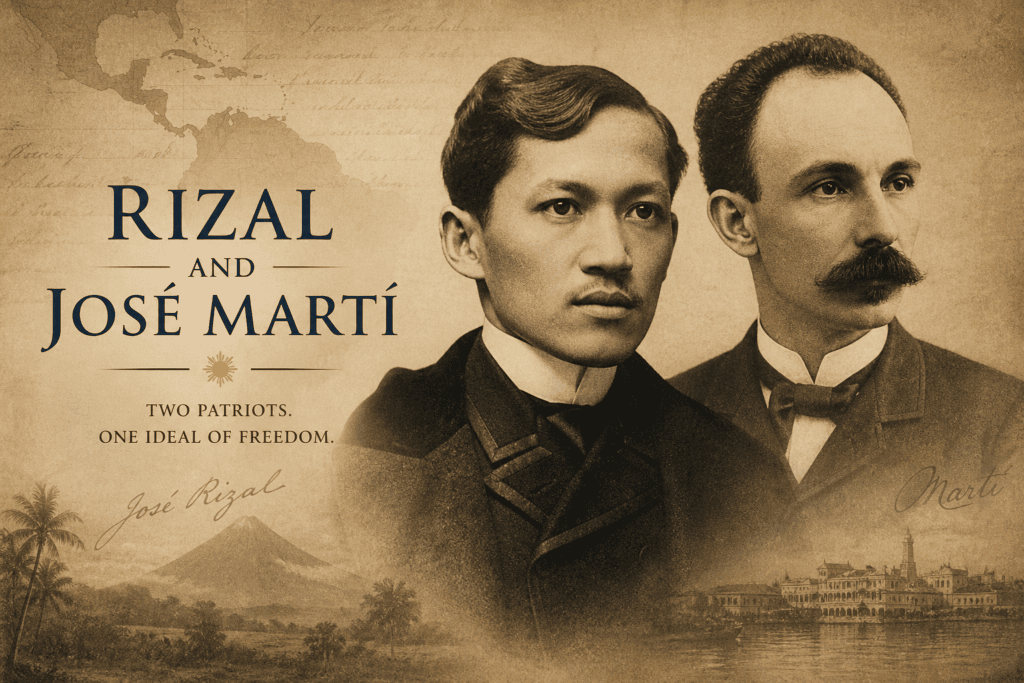
Rizal and José Martí: Two Writers Who Died for Their Nations
They never met. One died in the Philippines, one in Cuba. In 1895 and 1896, the Spanish Empire killed them both.
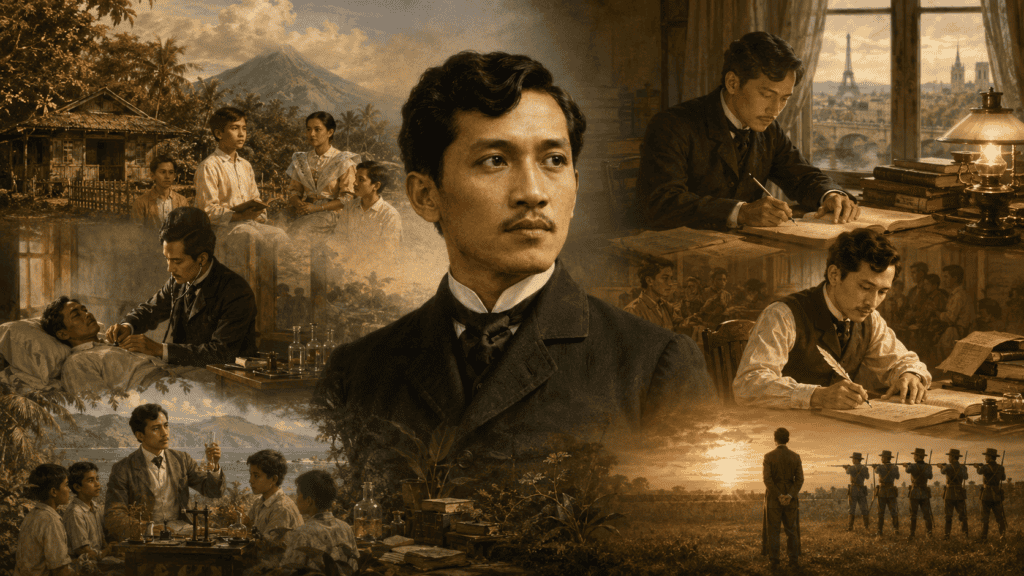
Who Was José Rizal?
Jose Rizal was a 19th-century Filipino doctor, novelist, and polymath who spoke 22 languages, wrote two novels that collapsed a colonial empire, and was executed at 35. Here's everything you need to know — and why you should care.
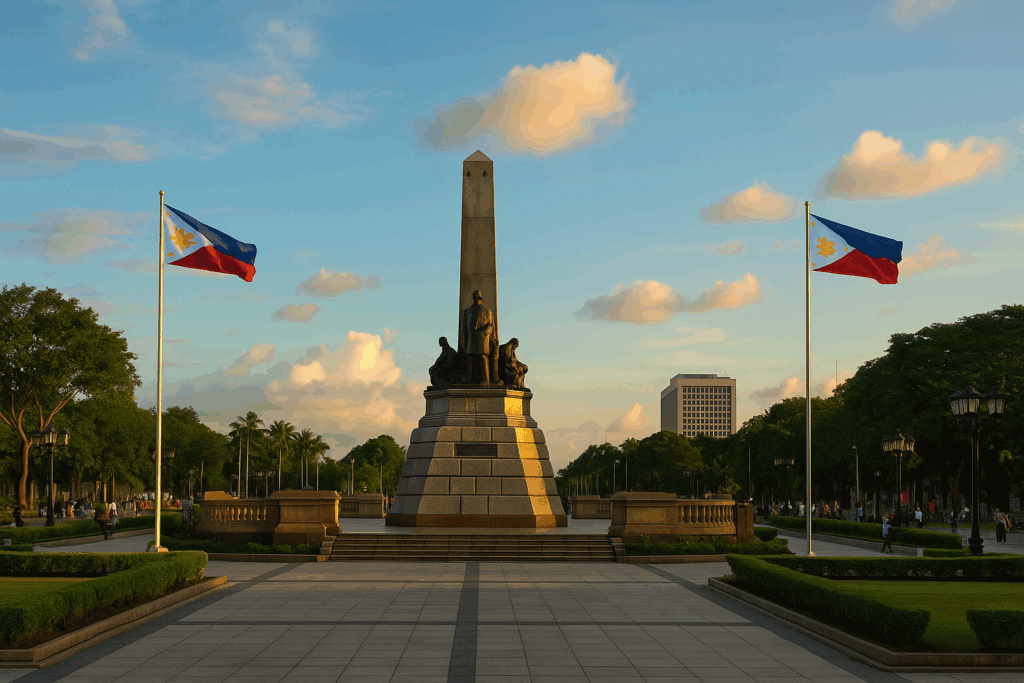
Rizal Park: A Visitor’s Guide to Manila’s Most Historic Green
Rizal Park looks like any city green. It isn't. This is where the Philippines began. A visitor's guide to Luneta and everything around it.
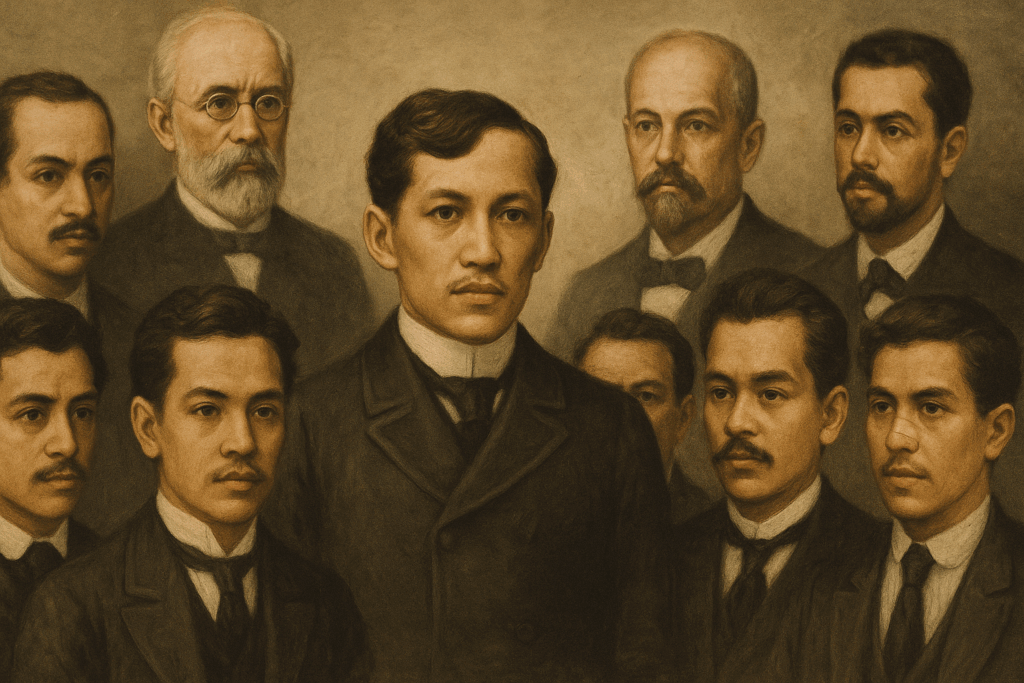
Rizal’s Friends and Allies: The Circle That Shaped a Hero
The friends, rivals, and allies who walked alongside Rizal — in European exile, across hundreds of letters, and through years of shared struggle — shaped his ideas and made him the man history would not forget.
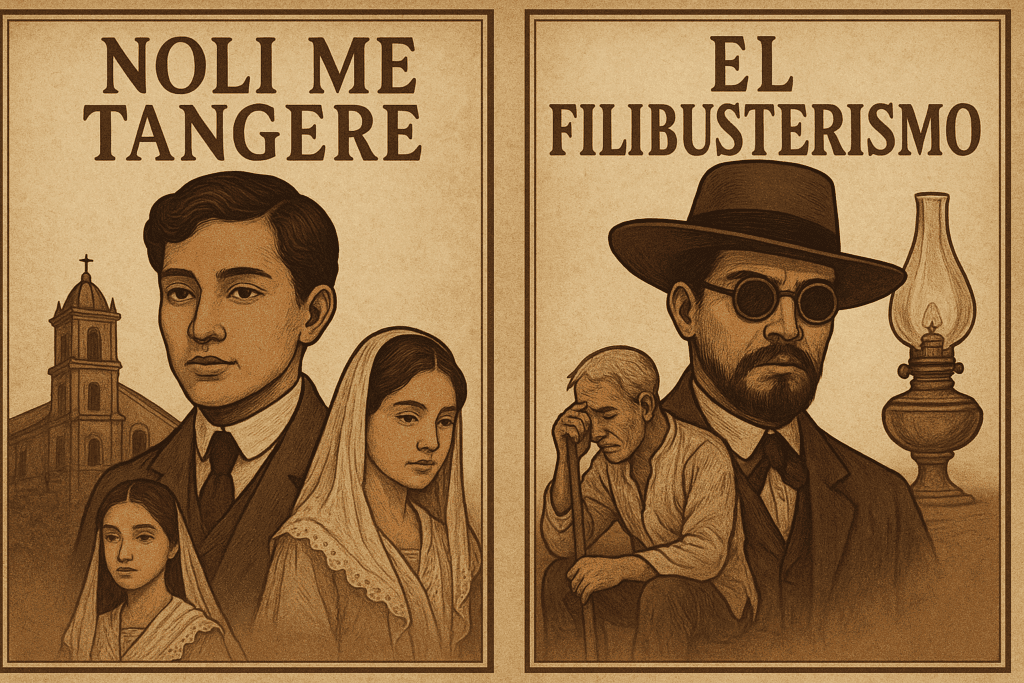
Noli Me Tangere vs. El Filibusterismo: What Changed Between the Two Novels
Rizal wrote two novels. The first exposed a colonial society to itself. The second asked what happens when it refuses to change. They are not a story and its sequel — they are a before and after.
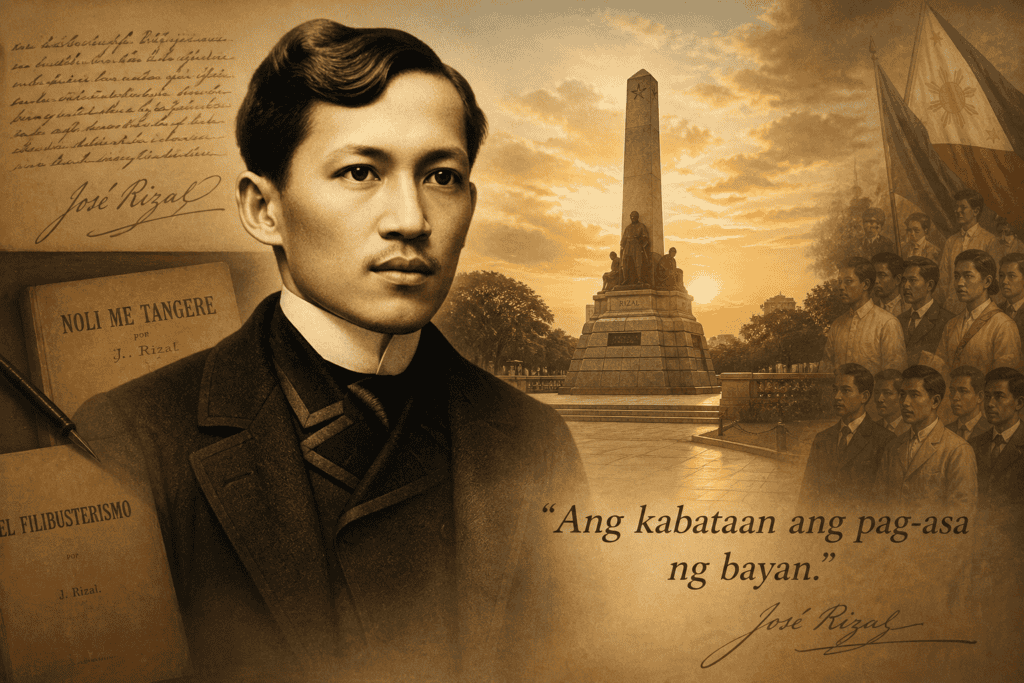
Rizal’s Legacy: What He Left Behind and Why It Still Matters
Legacies are easy to inflate. The useful question is not whether Rizal mattered but how, specifically — and with what complications. The honest answer is more interesting than the ceremonial one.
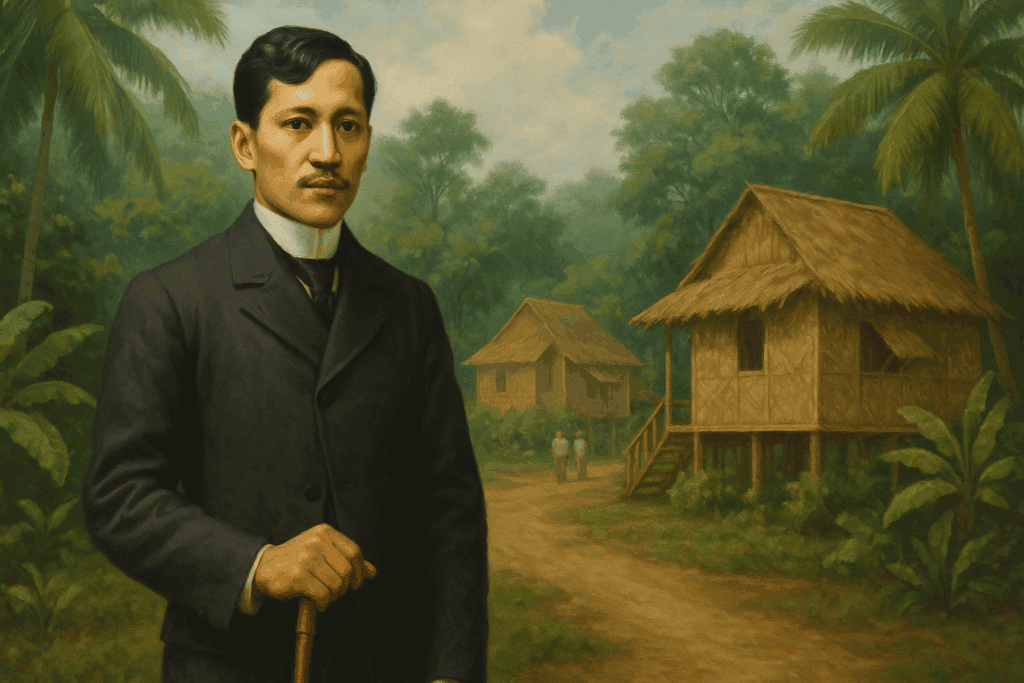
Rizal in Dapitan: Four Years the Spanish Government Meant as Punishment
Spain exiled Rizal to Dapitan to silence him. In four years, he built a water system, opened a school, performed surgeries, discovered new species, and fell in love. Spain, instead, gave him a laboratory.
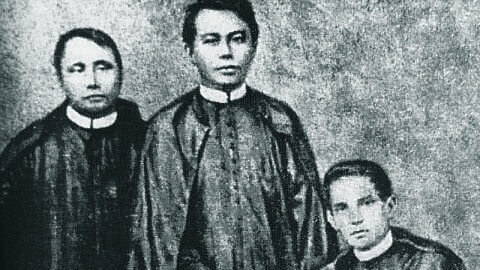
Rizal’s Reforms and Resistance: How a Nation Awakened
Rizal spent his adult life trying to prevent the revolution that broke out in his name. Here is what he was asking for, why he was refused, and how the refusal made the revolution inevitable.
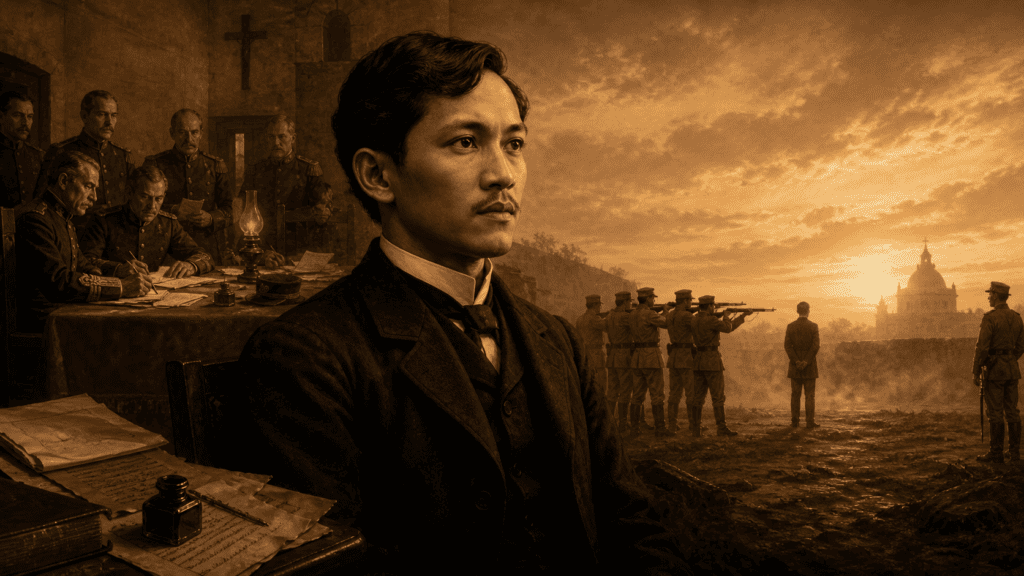
Rizal’s Trial and Execution
The Spanish colonial government needed three things from the trial of José Rizal: speed, the appearance of legality, and a guilty verdict. They got all three. What they did not anticipate was what the execution would do to the country they were trying to pacify.