Aida Bautista
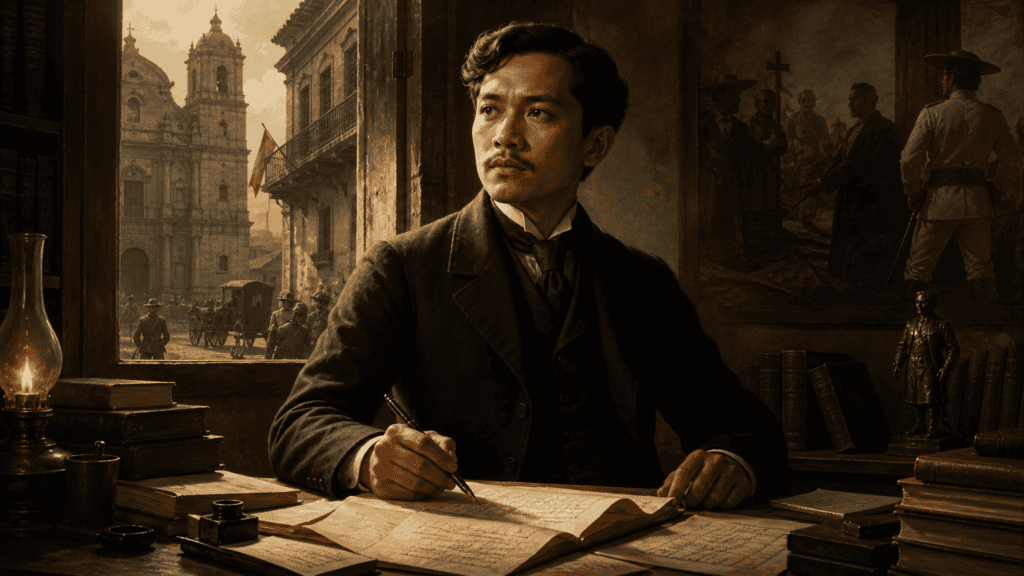
What Rizal Said About Freedom, Knowledge, and Colonial Power
Rizal's most significant quotes on freedom, knowledge, and colonial power — each with the source and the context that makes them worth reading carefully.
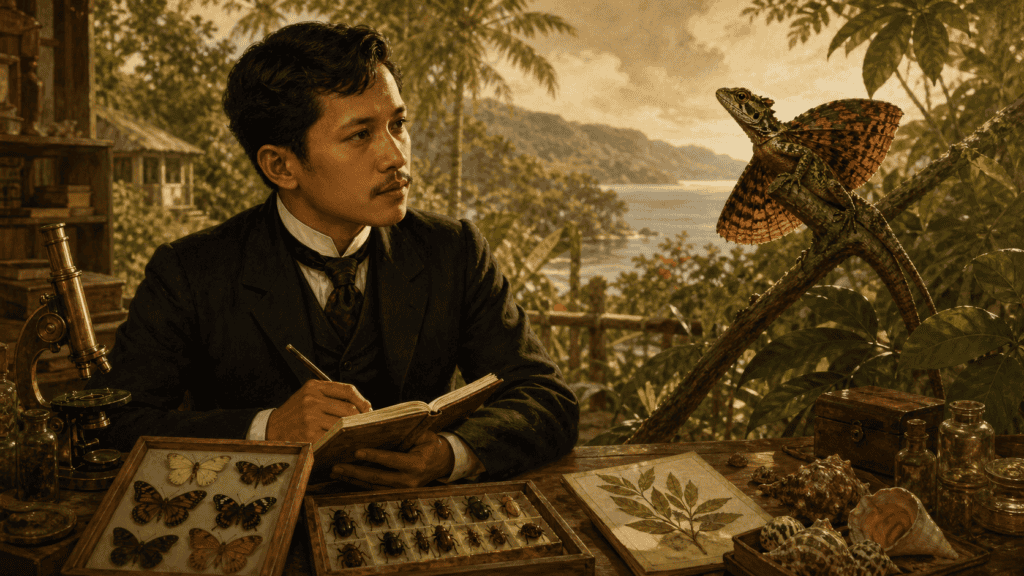
The Species Named After Rizal: Draco Rizali and the Naturalist of Dapitan
A flying lizard, a tree frog, two beetles, a cricket, and a weevil all carry Rizal's name in the scientific record. Here is how that happened.
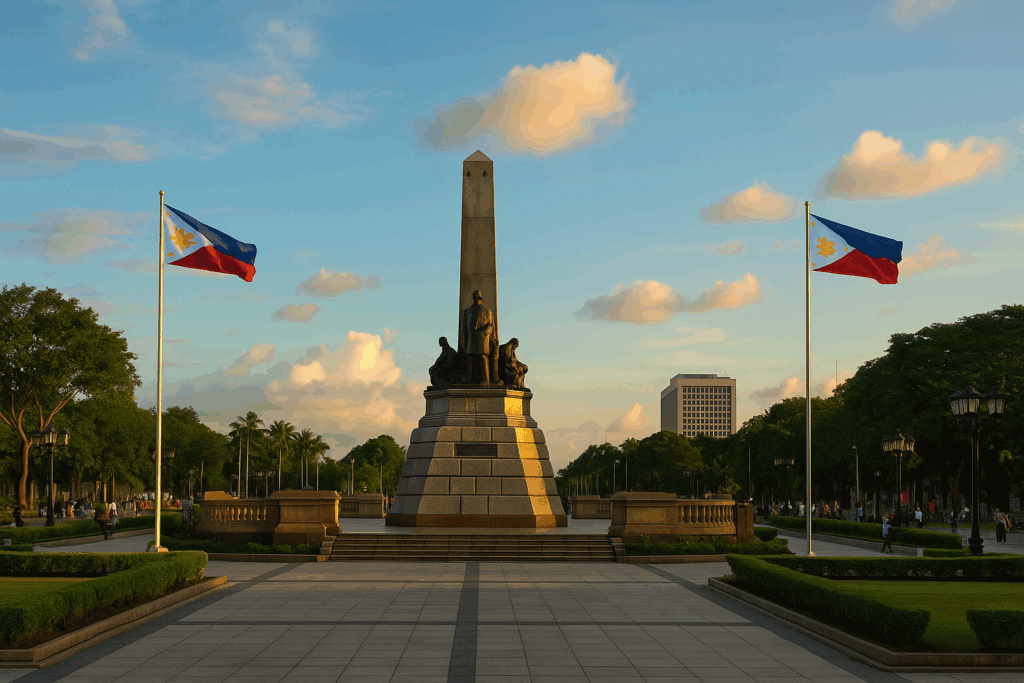
Rizal Park: A Visitor’s Guide to Manila’s Most Historic Green
Rizal Park looks like any city green. It isn't. This is where the Philippines began. A visitor's guide to Luneta and everything around it.
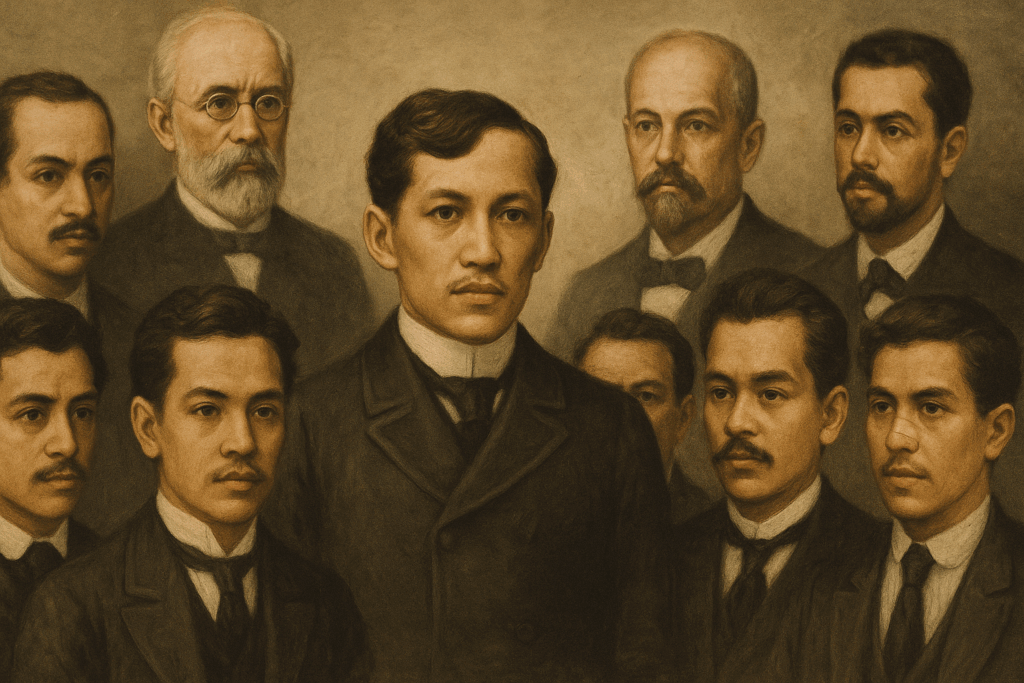
Rizal’s Friends and Allies: The Circle That Shaped a Hero
The friends, rivals, and allies who walked alongside Rizal — in European exile, across hundreds of letters, and through years of shared struggle — shaped his ideas and made him the man history would not forget.
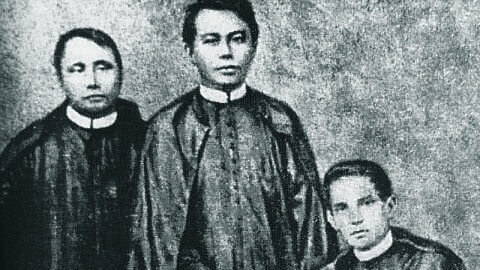
Rizal’s Reforms and Resistance: How a Nation Awakened
Rizal spent his adult life trying to prevent the revolution that broke out in his name. Here is what he was asking for, why he was refused, and how the refusal made the revolution inevitable.
Kundiman (English Version): Full Poem and Analysis
Explore José Rizal’s Kundiman in its English version with full text, background, and a detailed analysis of its themes of sorrow, hope, and love for the nation.
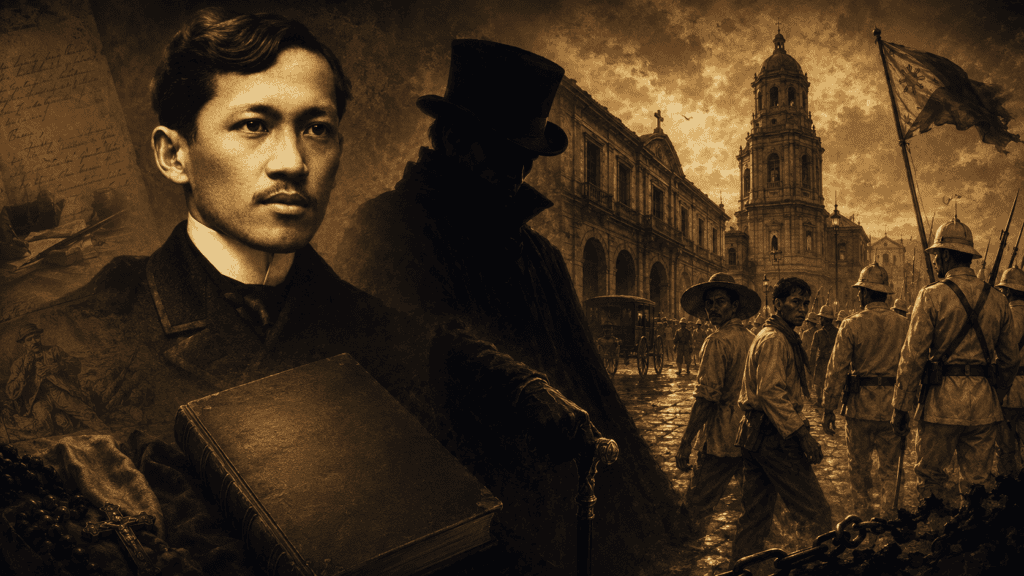
El Filibusterismo: The Sequel That Asked Whether Revolution Was Worth It
The first novel exposed what was wrong. The second asked what to do about it. Darker and more desperate than its predecessor, El Filibusterismo is Rizal's most dangerous book — and his most honest one.
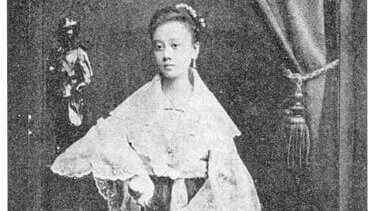
Leonor Rivera: Rizal’s Greatest Love and the Woman Behind Maria Clara
She waited eleven years for a man writing novels that could get him killed. Her mother hid his letters. She married someone else. She died at twenty-six, asking that his letters be buried with her.
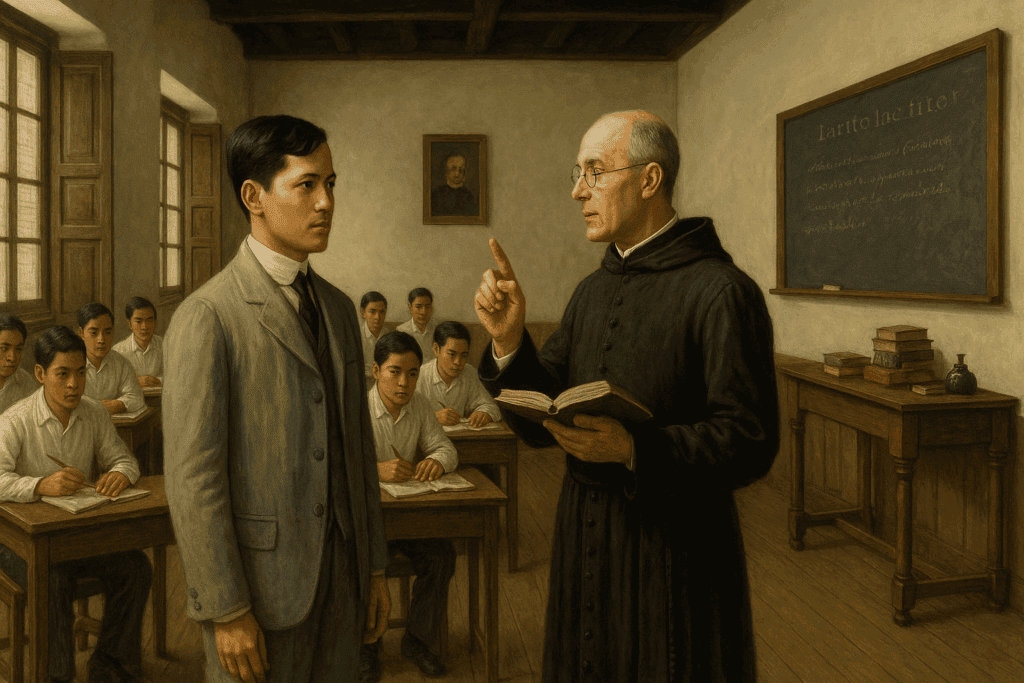
Rizal’s Education in Manila and Ateneo Years
A detailed look at Jose Rizal’s education in Manila and his Ateneo years, where he developed the discipline, intellect, and worldview that shaped his future.
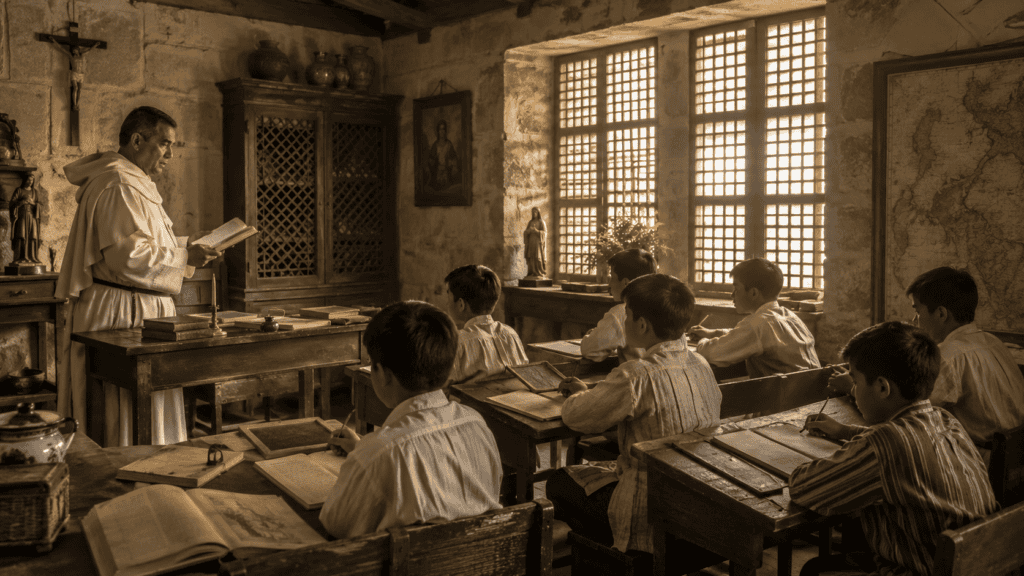
Philippine Education in the 19th Century
Discover how the 19th-century education system in the Philippines shaped José Rizal’s generation — from Church-run schools to the birth of the ilustrados.
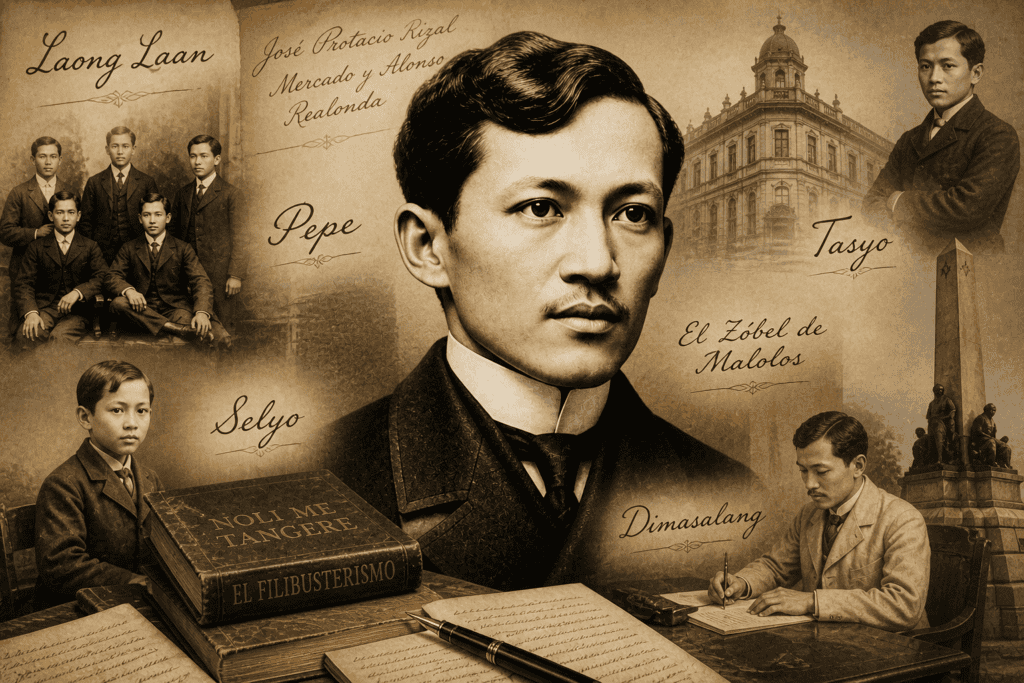
The Names and Nicknames of José Rizal
Before he was a national hero, he was Pepe at the dinner table, Jose Mercado at the colonial port, and Doctor Uliman to the people of Calamba. Here are all of Rizal's names and what they meant.
El Filibusterismo: A Literary Analysis of Rizal’s Darkest Novel
El Filibusterismo is what Rizal wrote when he stopped believing the system could be reformed. Four years after the Noli, the hope is gone — and what replaces it is more honest, more dangerous, and more enduring.
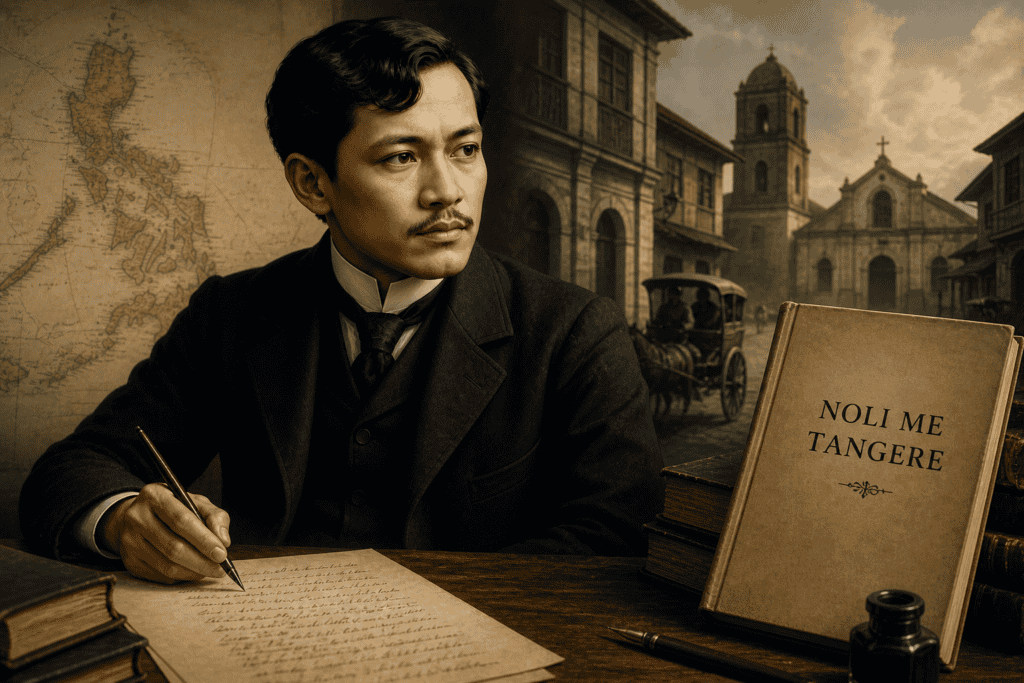
Noli Me Tangere: A Literary Analysis of Rizal’s First Novel
Rizal could not find a printer in Spain willing to touch it. He paid for the Berlin printing himself. What he had written was not a political treatise — it was a story, which is why it worked.
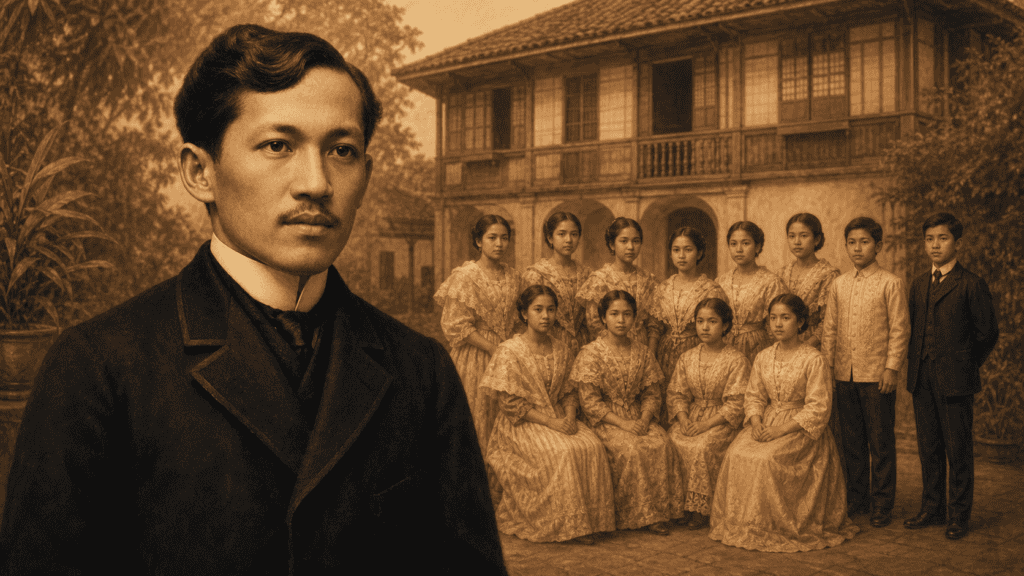
The Family Behind the Hero
José Rizal was the seventh of eleven children. Paciano funded his trip to Europe. Narcisa found his unmarked grave. Trinidad smuggled out his last poem. The hero and the family are not separable — they are the same story.
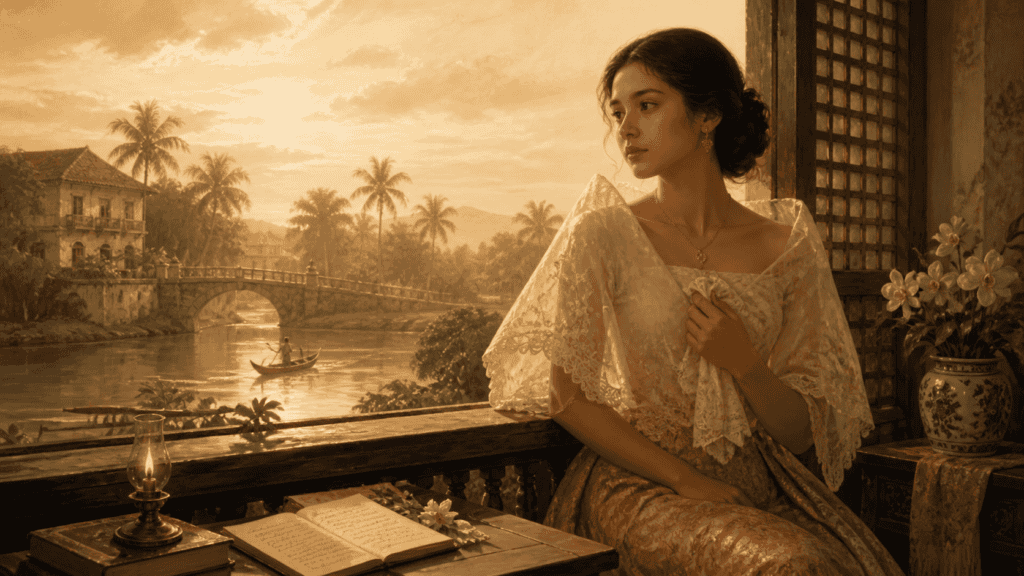
The Song of María Clara
The full text of the Song of María Clara from Noli Me Tangere, with context on where it appears in the novel, who María Clara is, and what the poem means.
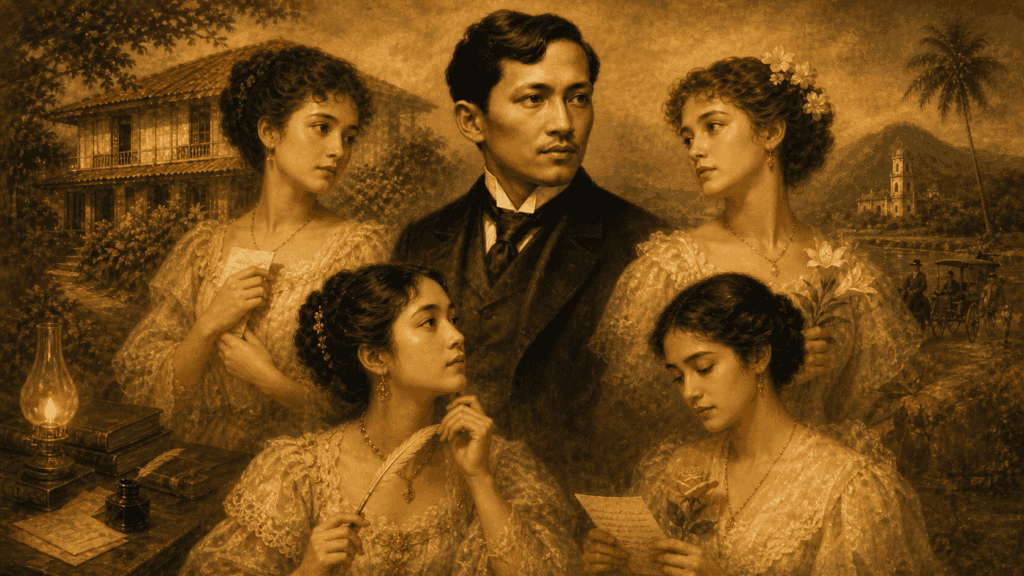
The Women in Rizal’s Life
Rizal loved several women and was loved by more. Here is a full account of those relationships — what they were, what ended them, and what they cost him.