Lean Liwanag
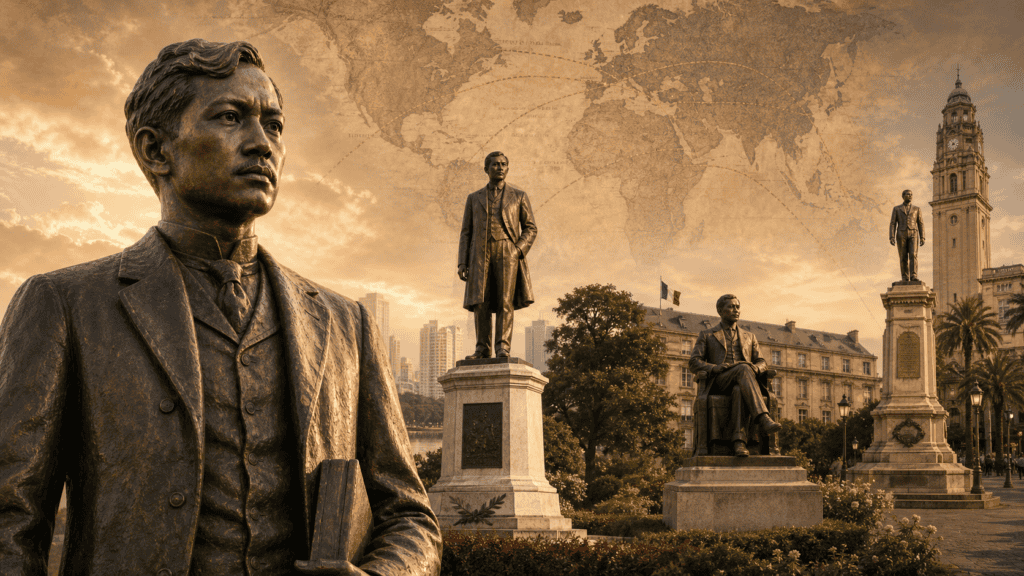
Rizal Monuments Around the World: A Hero Without Borders
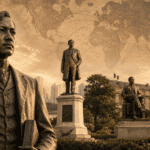
Most national heroes stay home. Rizal did not — and neither has his legacy. Across four continents, in cities he visited and cities he never saw, monuments to the Filipino hero mark something that no single country can fully claim.
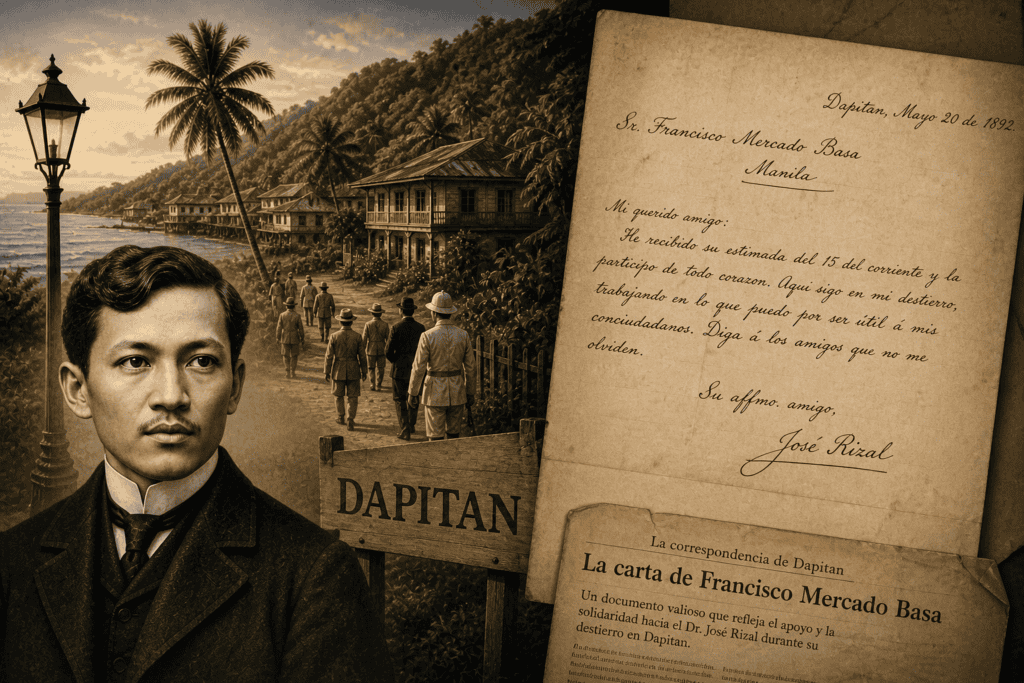
The Seditious Documents That Sent Rizal into Exile
Rizal's exile in 1892 was triggered by two documents: anti-friar pamphlets found in his luggage and an intercepted letter from his friend Basa in Hong Kong. Neither was what the colonial government claimed.
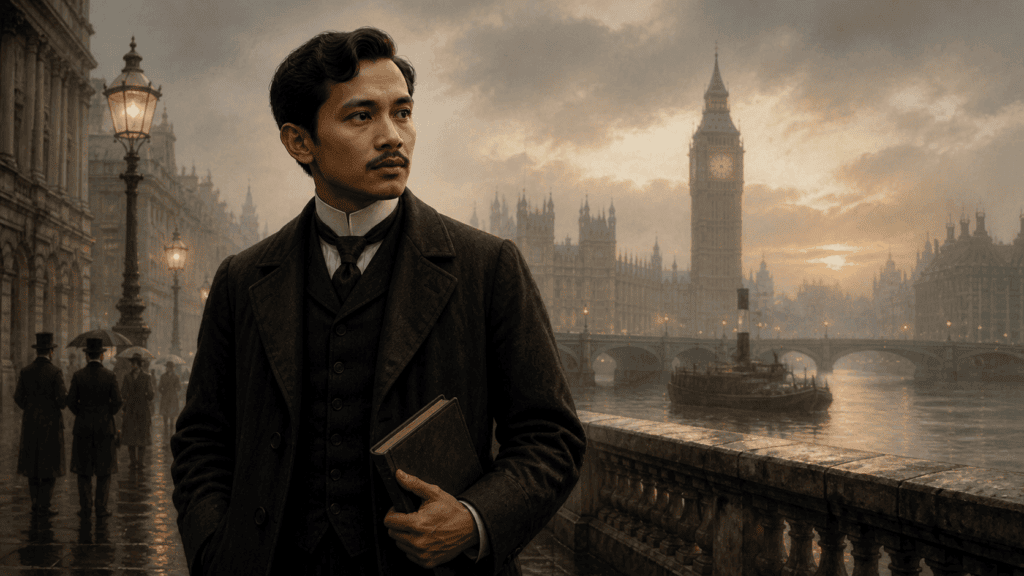
Rizal in London: His Year at the British Museum
In 1888, a 26-year-old Filipino doctor spent his days in the British Museum copying a 280-year-old colonial text by hand. He wasn't a student. He was building a weapon.
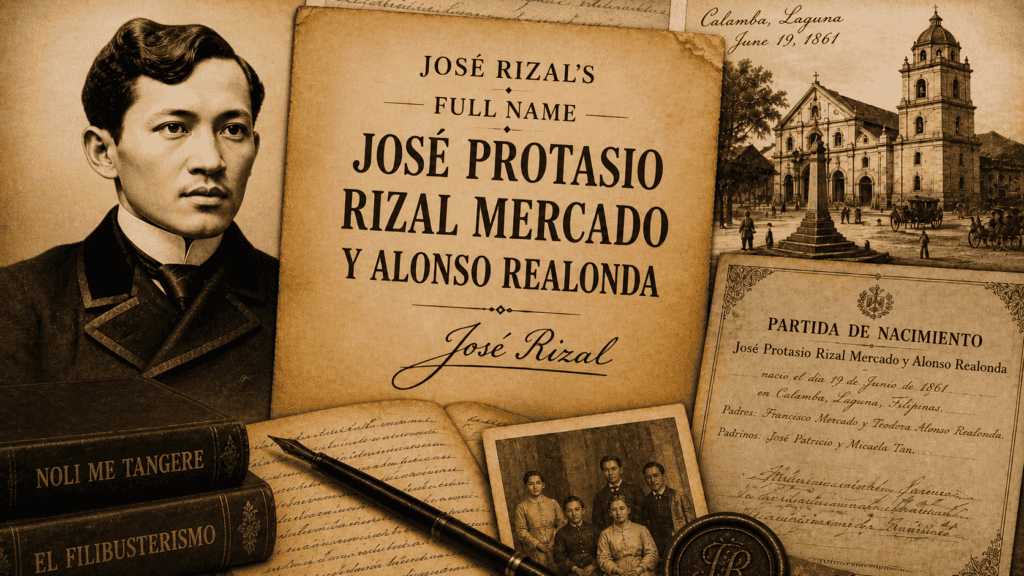
José Rizal’s Full Name: What It Reveals About His Identity and Heritage
His full name was José Protasio Rizal Mercado y Alonso Realonda. Most people know two of those words. Here is what the rest of them mean — and why he chose to drop most of them.
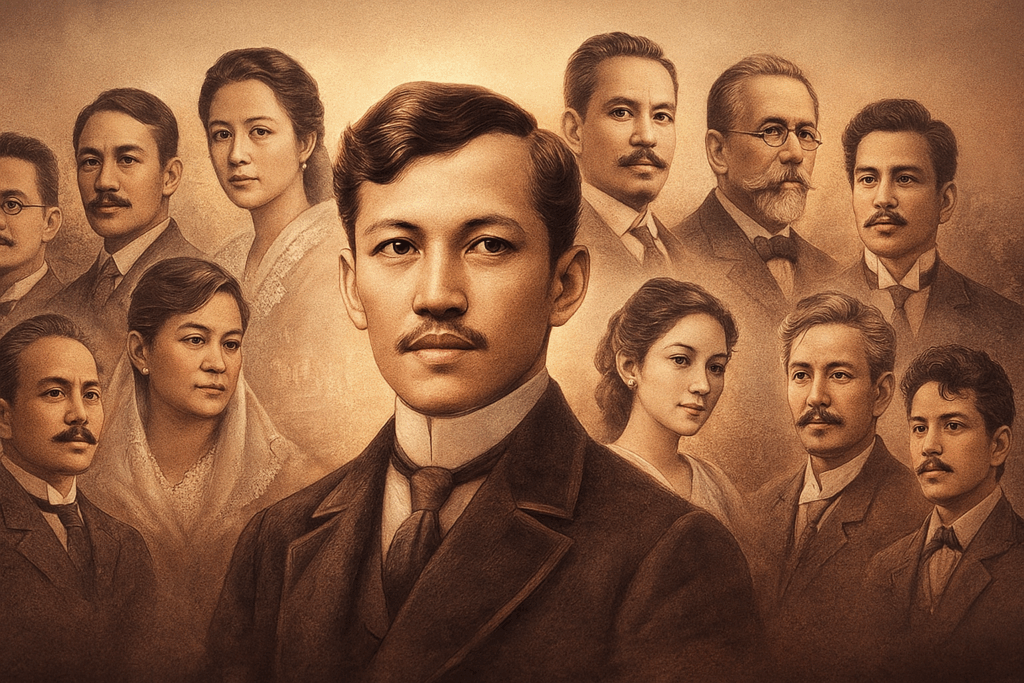
The People Around Rizal: Family, Mentors, Friends, and Rivals
Rizal's brilliance did not arise in a vacuum. Here is a guide to the family, mentors, friends, rivals, and companions who shaped the man behind the national hero.
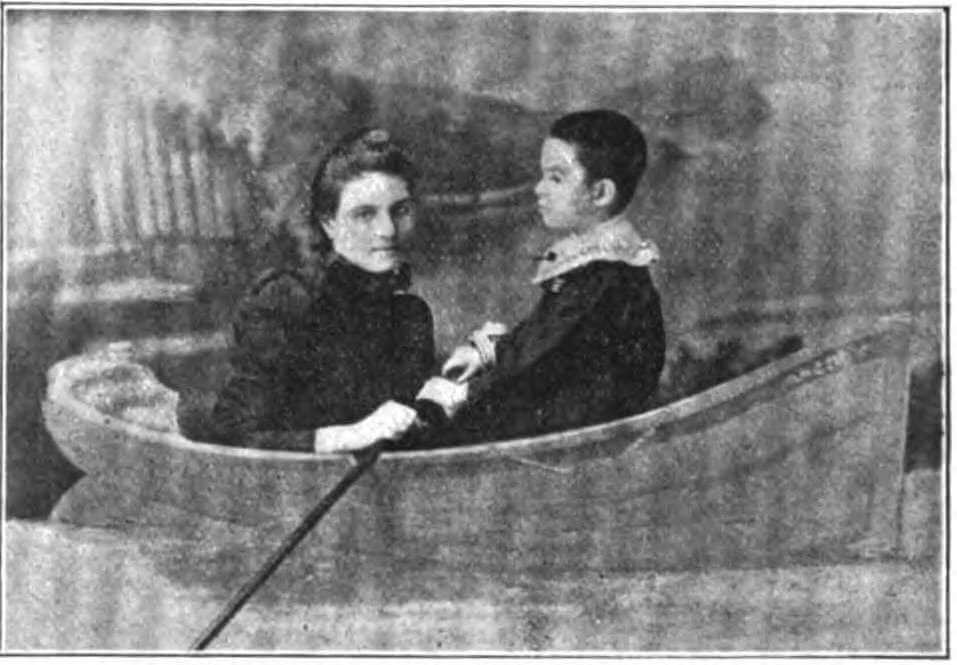
Josephine Bracken: The Woman Who Stayed
She came to Dapitan in 1895 to find a doctor for her stepfather. She left as the widow of a man Spain had just executed for sedition. In between, she lived one of the stranger love stories in Philippine history.
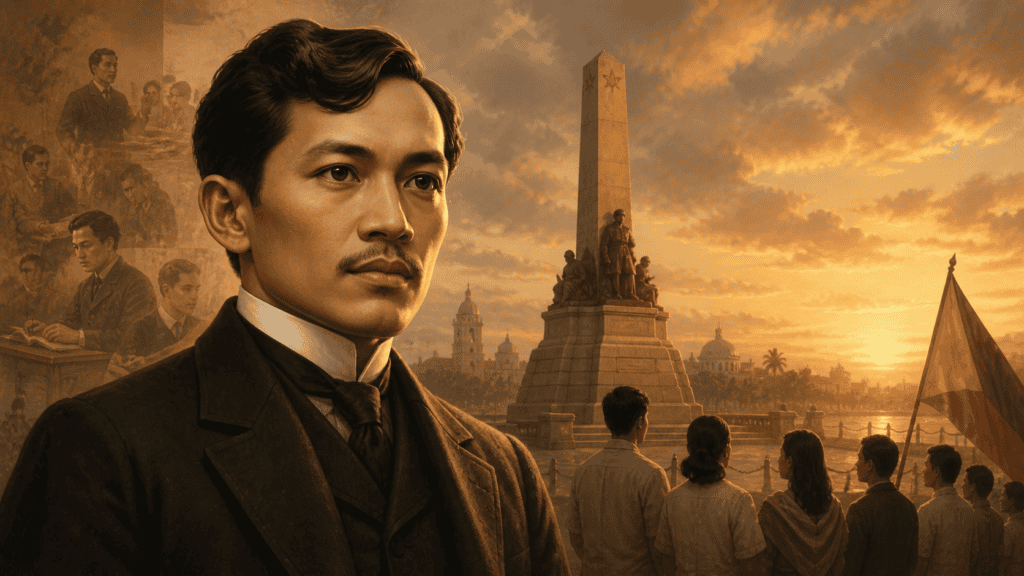
How Rizal Became the National Hero of the Philippines
No law ever declared Rizal the national hero of the Philippines. What actually happened is more complex — and more interesting — than any proclamation could be.
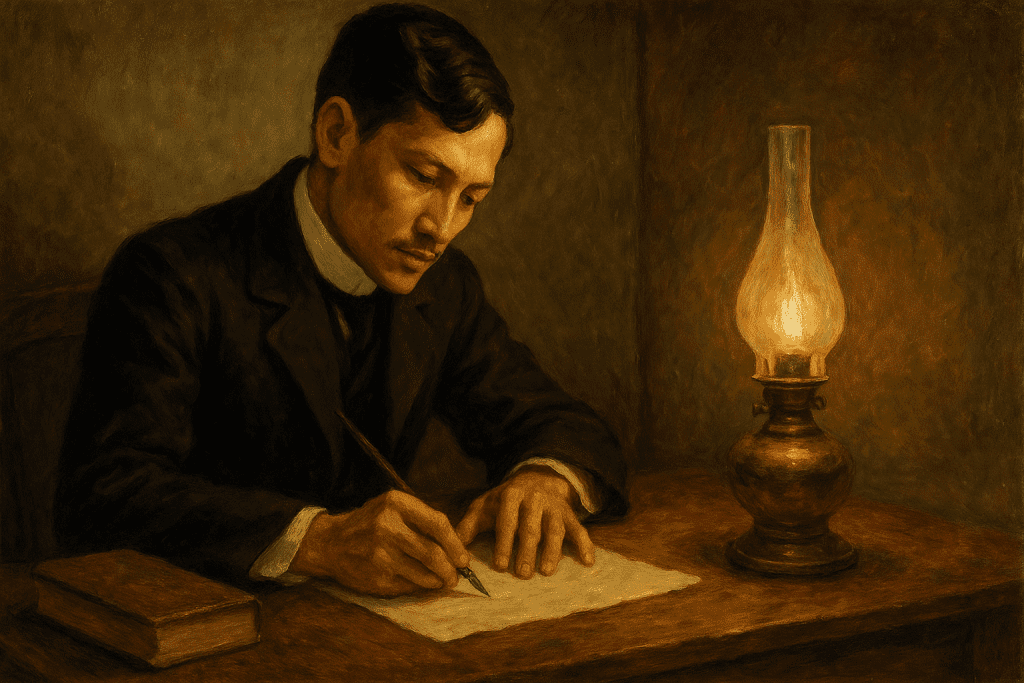
Major Works of José Rizal
José Rizal's novels, essays, poems, and letters formed the intellectual core of Philippine nationalism — and helped bring down a colonial empire.
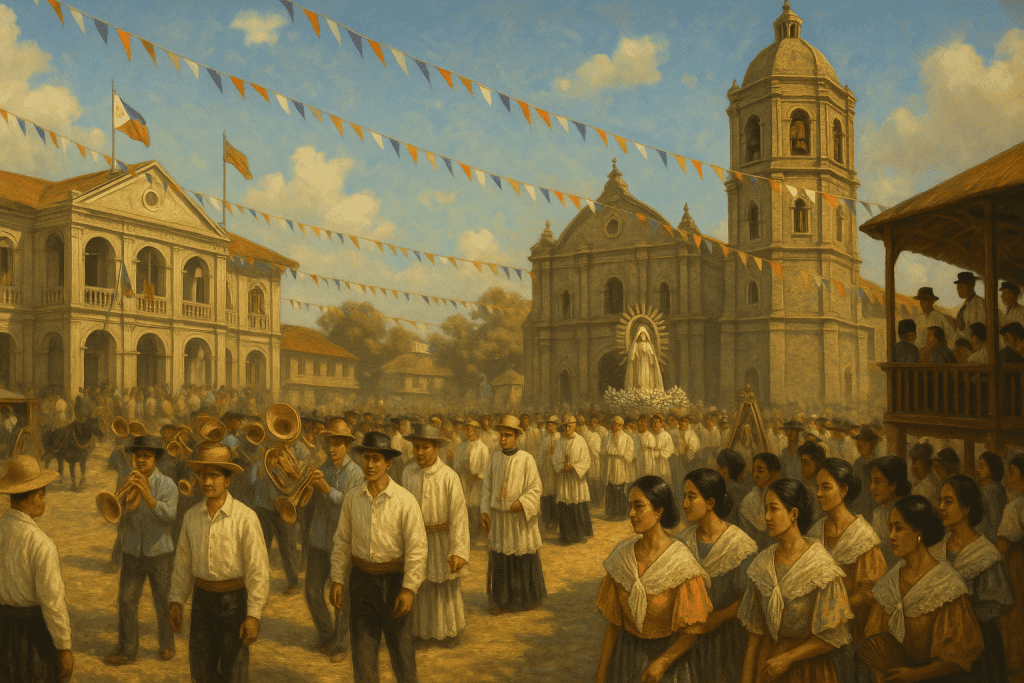
Spanish Rule in the Philippines: The World That Made Rizal Necessary
Spain governed the Philippines for 333 years. By the time Rizal was born, the colonial system was embedded in everything — land, schools, taxes, church, daily life. This is the world his novels described. Understanding it explains why they caused the reaction they did.
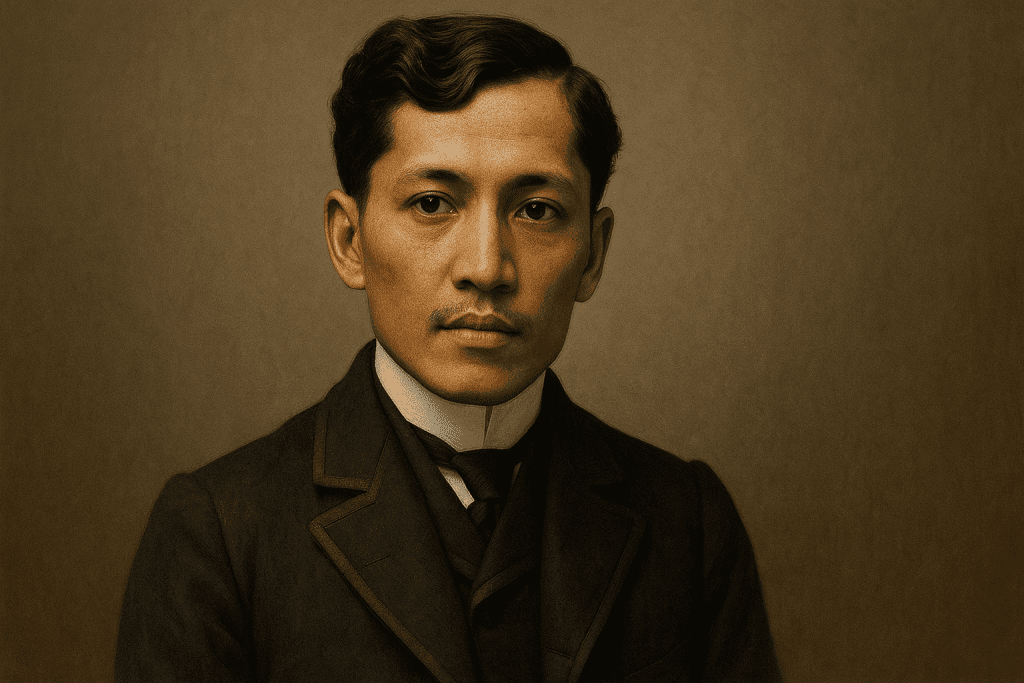
The Complete Works of José Rizal
Two novels that brought down a colonial empire. Dozens of essays and poems. Translations of Schiller and Andersen into Tagalog. Sculptures, paintings, and a relief map built by hand in exile. This is the full range of what Rizal made in thirty-five years.
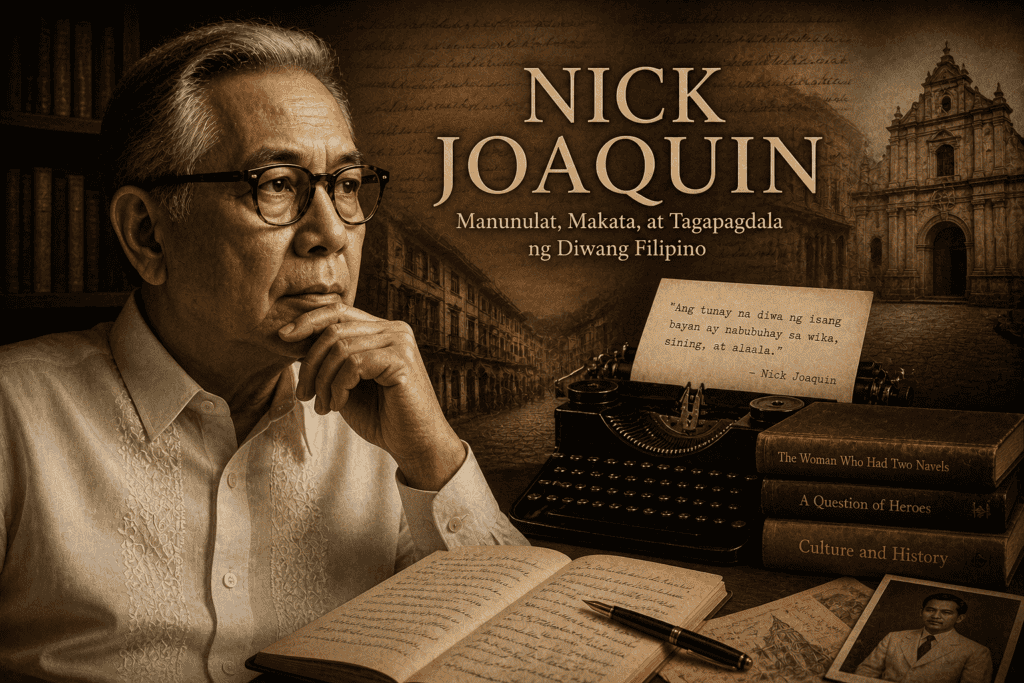
Nick Joaquín as Translator of Rizal: The Poet Who Gave Rizal a Voice in English
Rizal wrote in Spanish. By the mid-twentieth century, most Filipinos read in English. Someone had to carry the work across that gap — and the person who did it best was one of the finest Filipino writers of his generation.
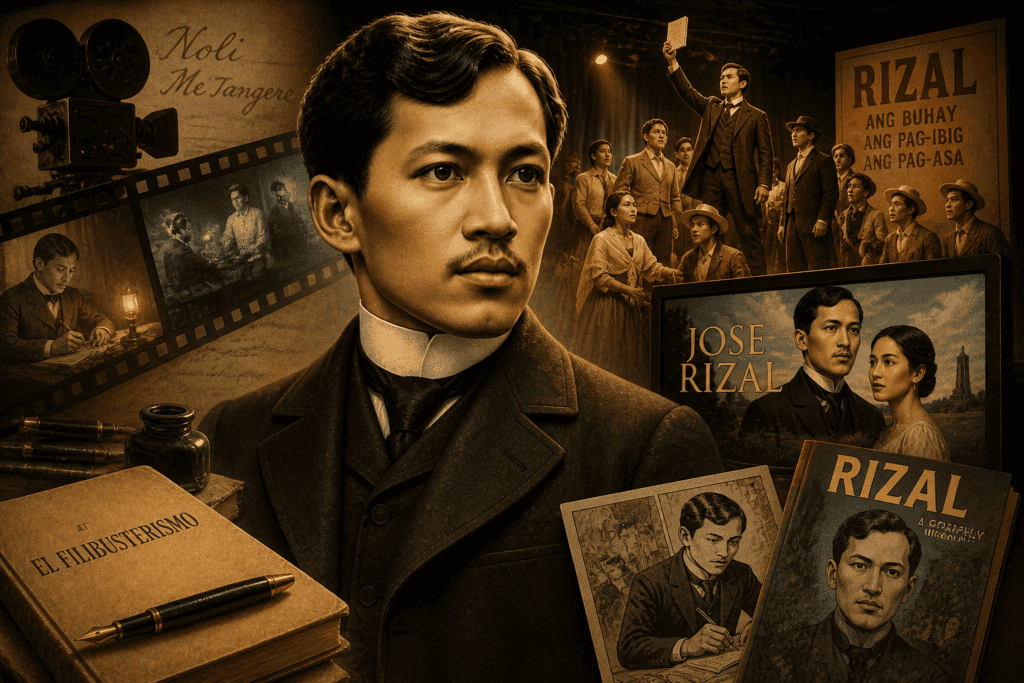
How Every Generation Has Reimagined Rizal
Rizal has been dead for over a century. In that time, he has been played by dozens of actors, staged in two operas, dissected in a black-and-white mockumentary, and adapted into a children's musical. Every generation restages him — because every generation needs to ask what he means to them.
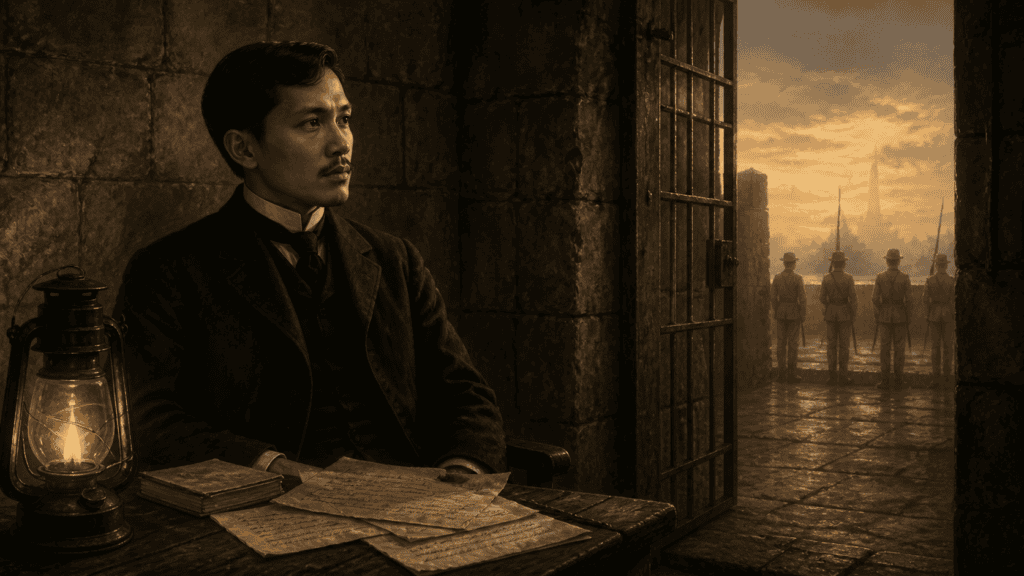
The Death of José Rizal: What Happened on December 30, 1896
The Spanish colonial government scheduled the execution for 7 a.m. on December 30, 1896. They chose Bagumbayan Field — the same ground where the Gomburza priests had been garroted twenty-four years earlier. The choice was not incidental.
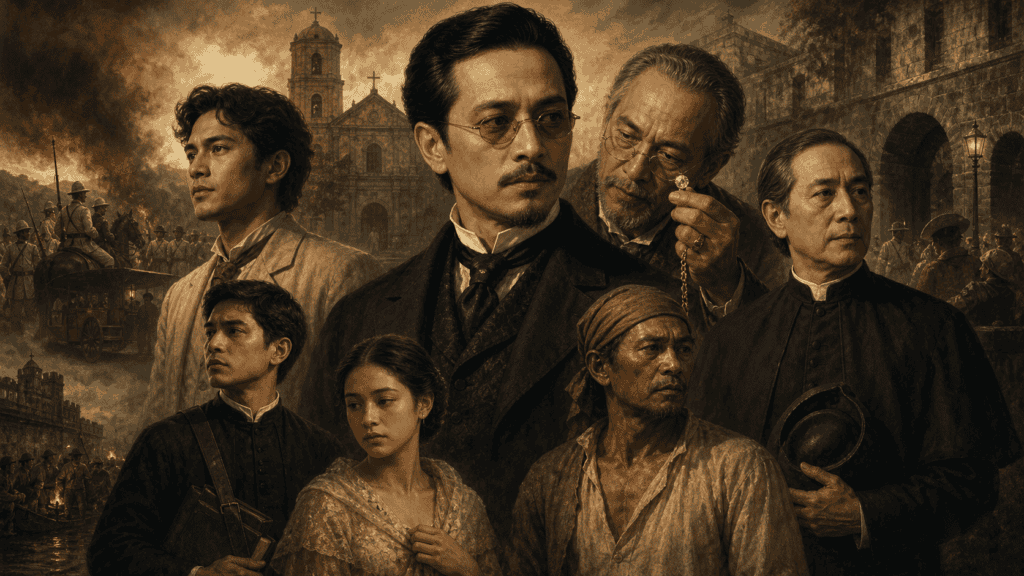
The People Rizal Put in His Darkest Novel
El Filibusterismo is populated by characters who are difficult to like and impossible to dismiss. Rizal gave them comprehensible motives, legitimate grievances, and no easy exits — which is exactly what makes the novel worth arguing with.
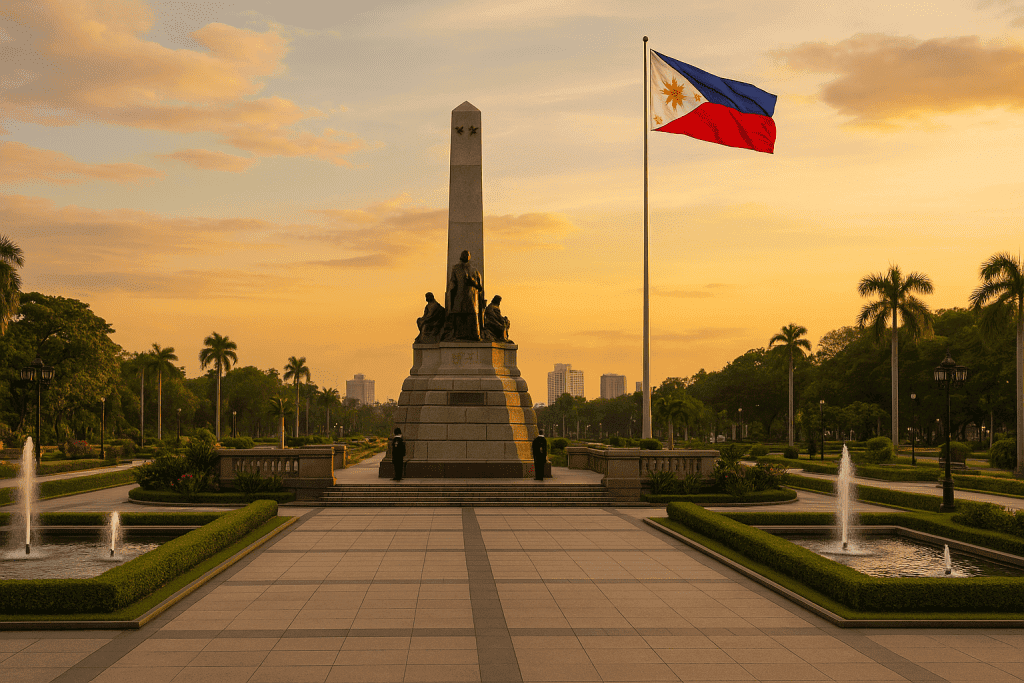
How Bagumbayan Became Rizal Park
The Spanish colonial government chose Bagumbayan for executions because it was visible. The message was the point. That same ground is now Rizal Park — and the distance between what it was and what it became is the story of a nation.