poems
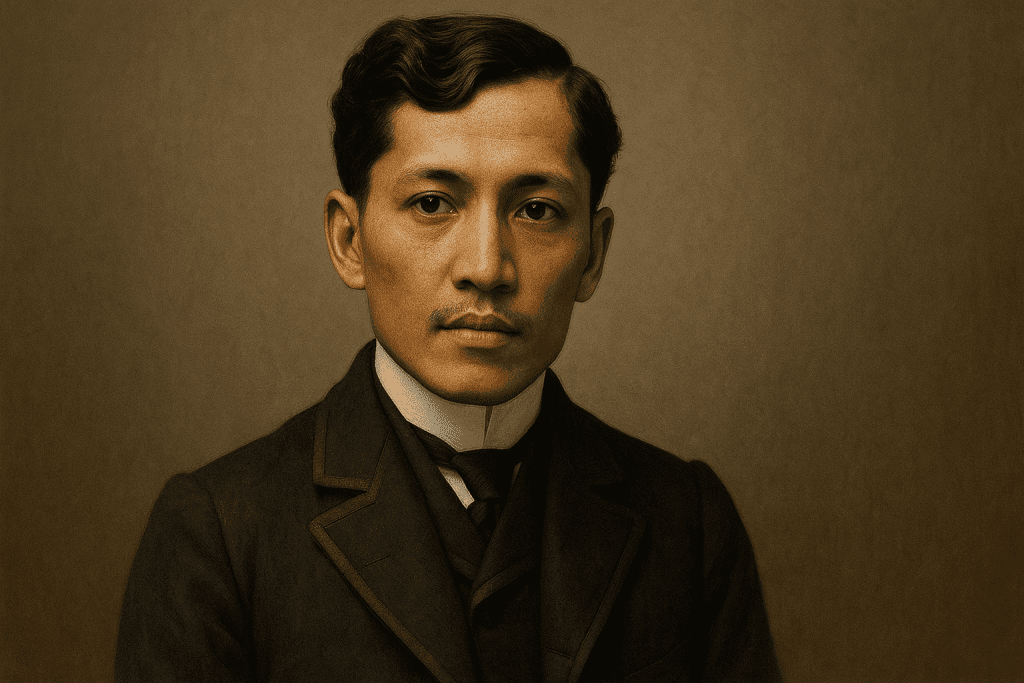
The Complete Works of José Rizal
Two novels that brought down a colonial empire. Dozens of essays and poems. Translations of Schiller and Andersen into Tagalog. Sculptures, paintings, and a relief map built by hand in exile. This is the full range of what Rizal made in thirty-five years.
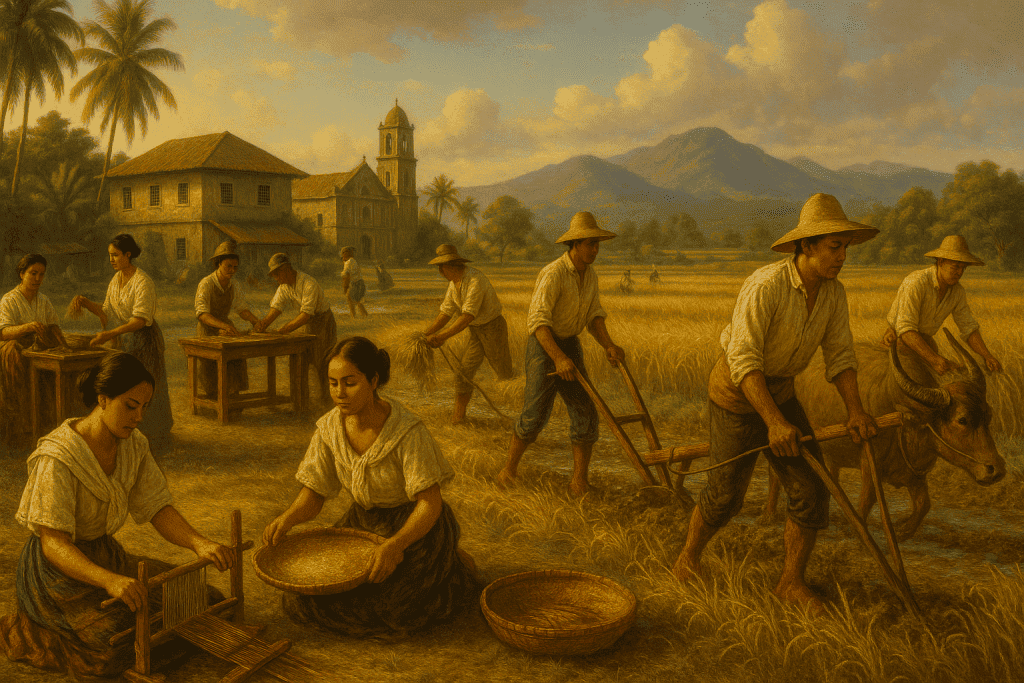
Imno sa Paggawa
The original Tagalog text of the poem Rizal wrote in January 1888 for his friends from Lipa, Batangas — translated into English as "Hymn to Labor."
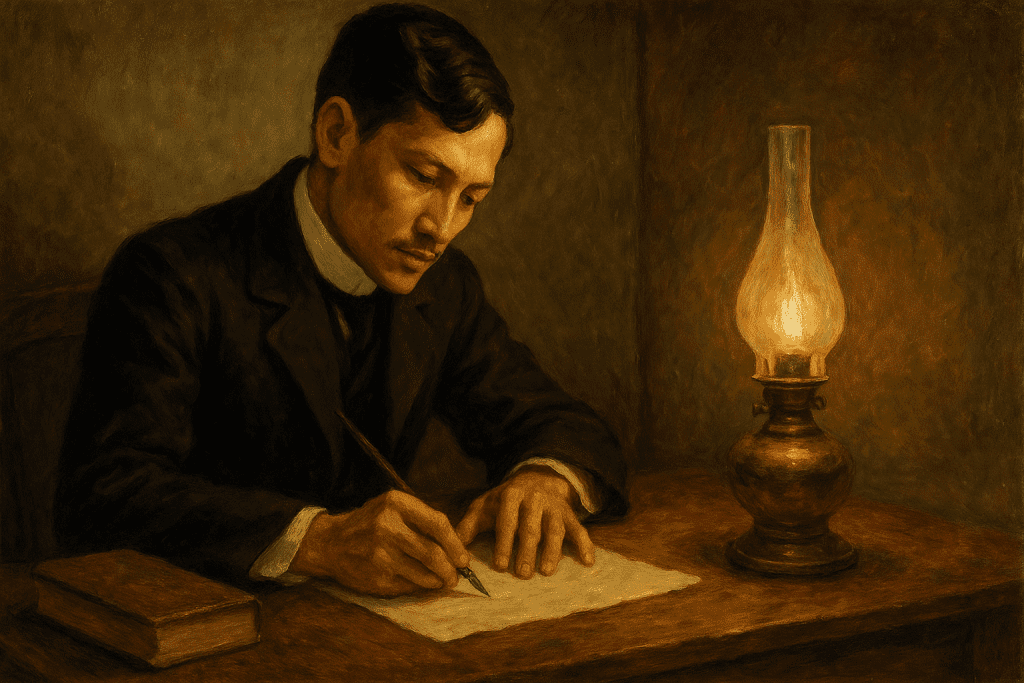
My Last Thought
This poem is the English translation of the Spanish poem "Mi Ultimo Adios."
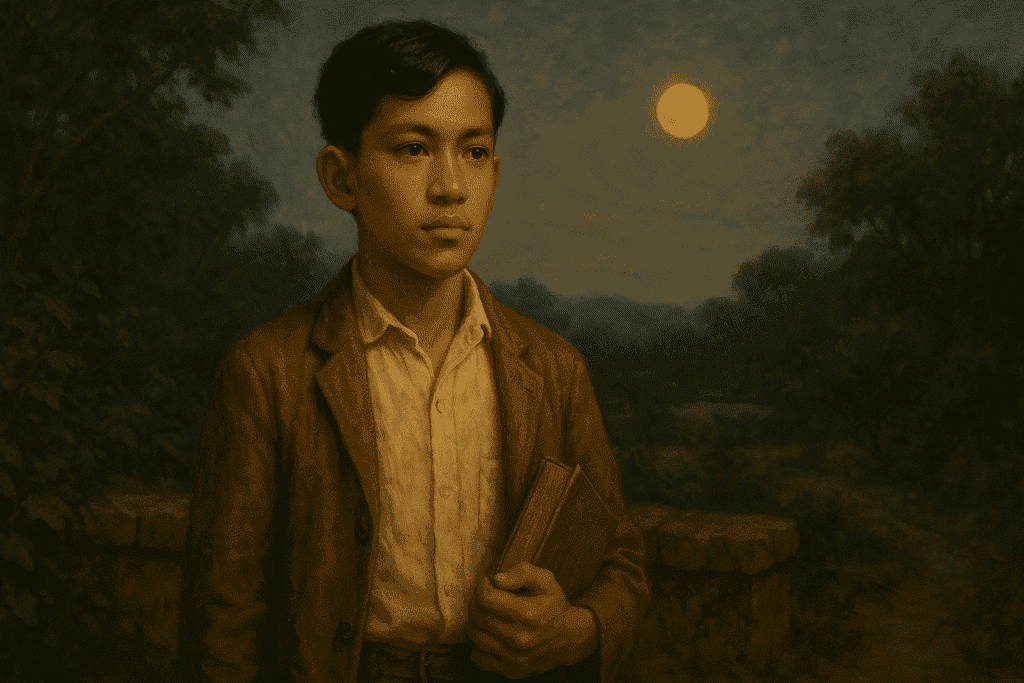
Felicitación
When he was 14 years old, Rizal wrote this poem in Spanish for his brother-in-law.
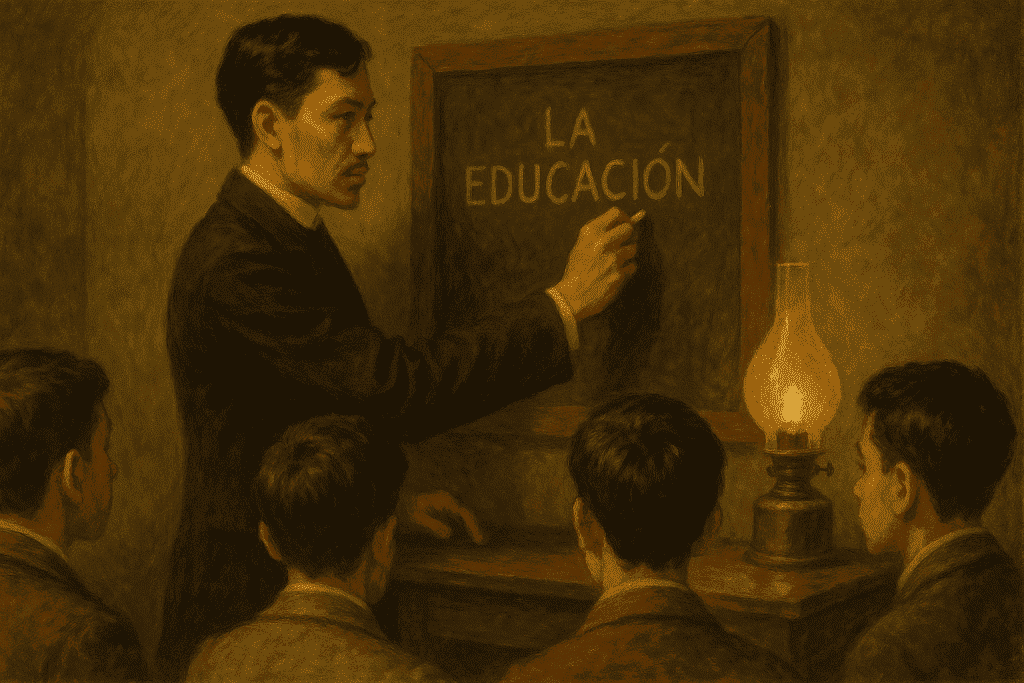
Por La Educación (Recibe Lustre La Patria)
Rizal wrote the poem 'Por La Educación (Recibe Lustre La Patria)' to highlight the importance of education to the country and its citizens.
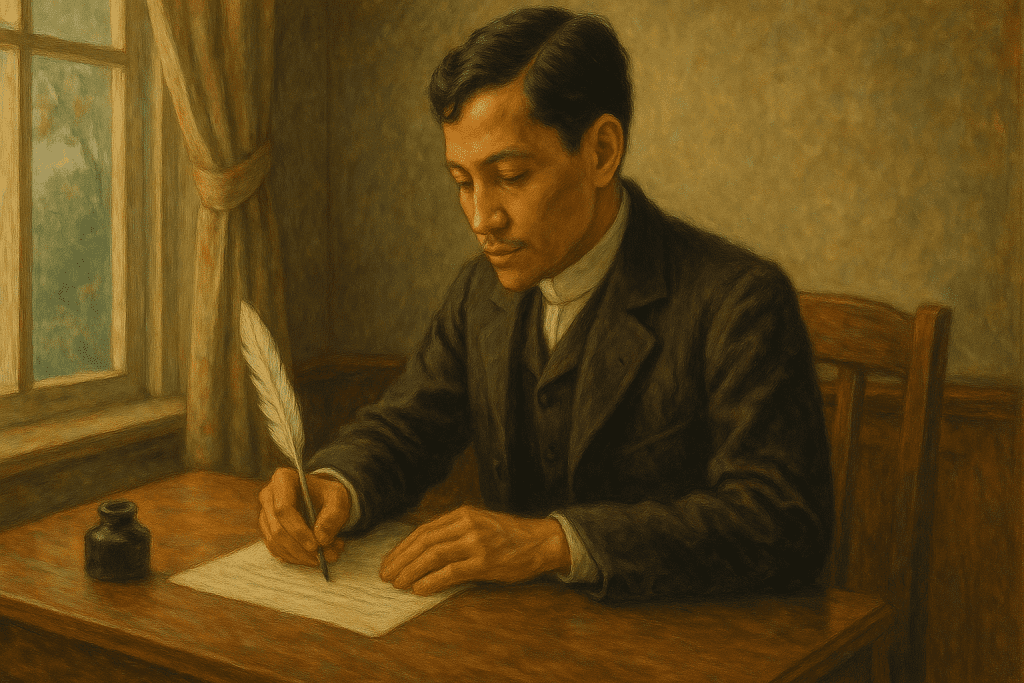
Miss C.O. y R.
Jose Rizal dedicated this poem to Miss Consuelo Ortiga y Rey (Miss C.O. y R.).
Education Gives Luster to Motherland
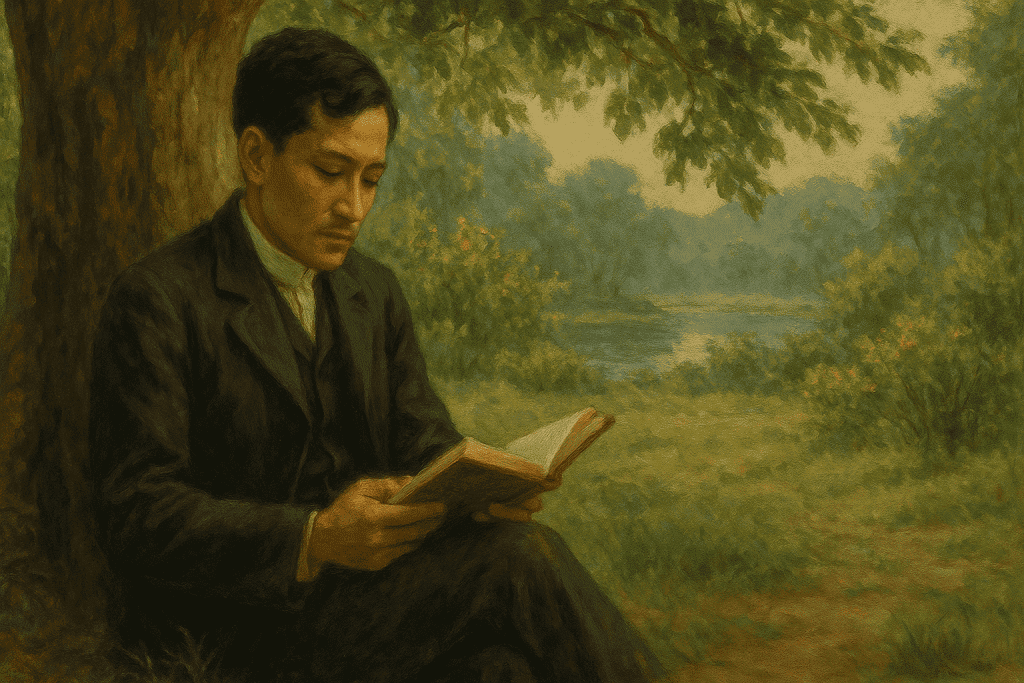
Rizal loved the Philippines. Even at a very young age, he cultivated an intense affection towards his country and his people.
Memories of My Town
In this nostalgic poem, Jose Rizal remembers his childhood days in Calamba.
My Retreat: Background, Full Poem, and Analysis
Explore José Rizal’s poem My Retreat with its background, full text, and a detailed analysis of the themes he expressed during his exile in Dapitan.
Felicitation (English)
This poem is the English translation of Rizal's Spanish poem entitled 'Felicitation.' It was one of the many poems he wrote while studying at the Ateneo.
Hymn to Labor
A poem Rizal wrote in Tagalog and structured as a choral piece — each voice assigned to a different member of Filipino society, all of them answering the same call.
To My Childhood Companions
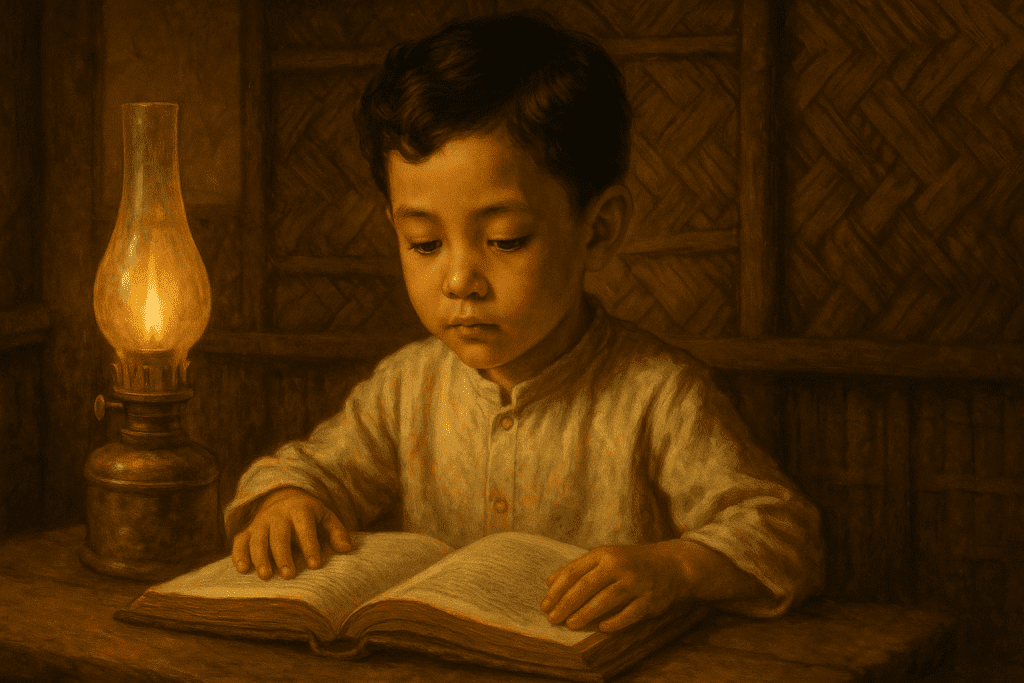
This Nick Joaquin English translation of 'Sa Aking Mga Kababata' was taken from an article by Ambeth Ocampo.
Sa Aking Mga Kabata
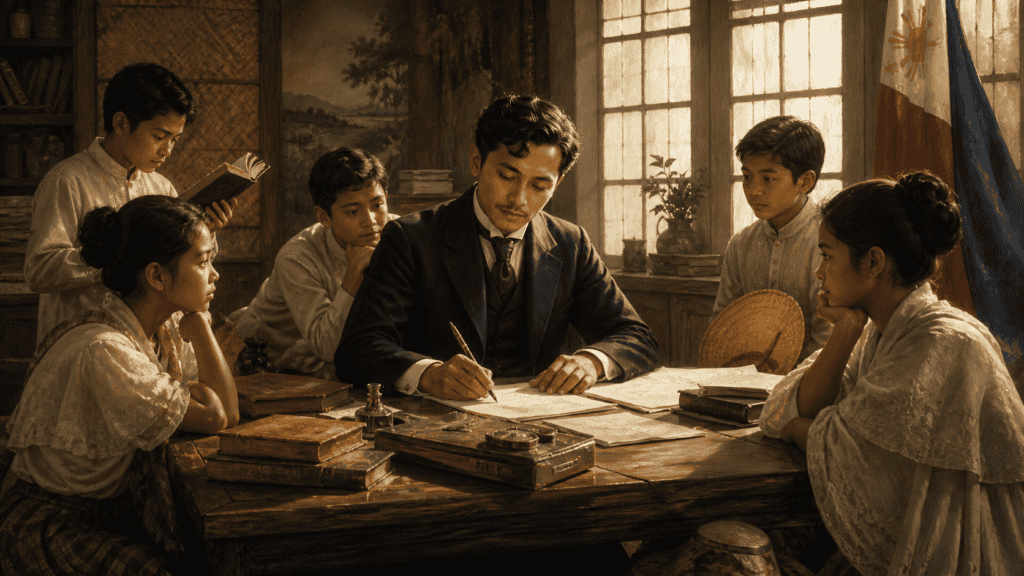
This poem has been taught in Philippine schools for generations as Rizal's first work, written at age eight. Historians now widely doubt that. The evidence against the attribution is specific, documented, and worth knowing before you read the poem.
Song of the Wanderer
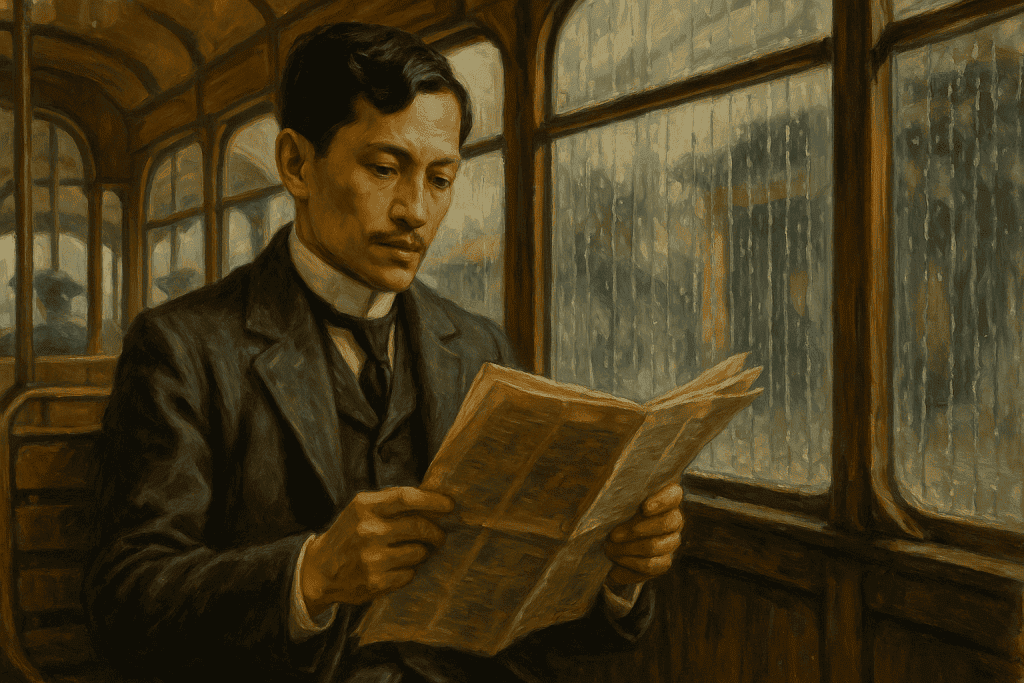
Rizal wrote this poem during his years in Europe — a quiet record of what exile actually feels like from the inside, not as a political condition but as a daily weight.
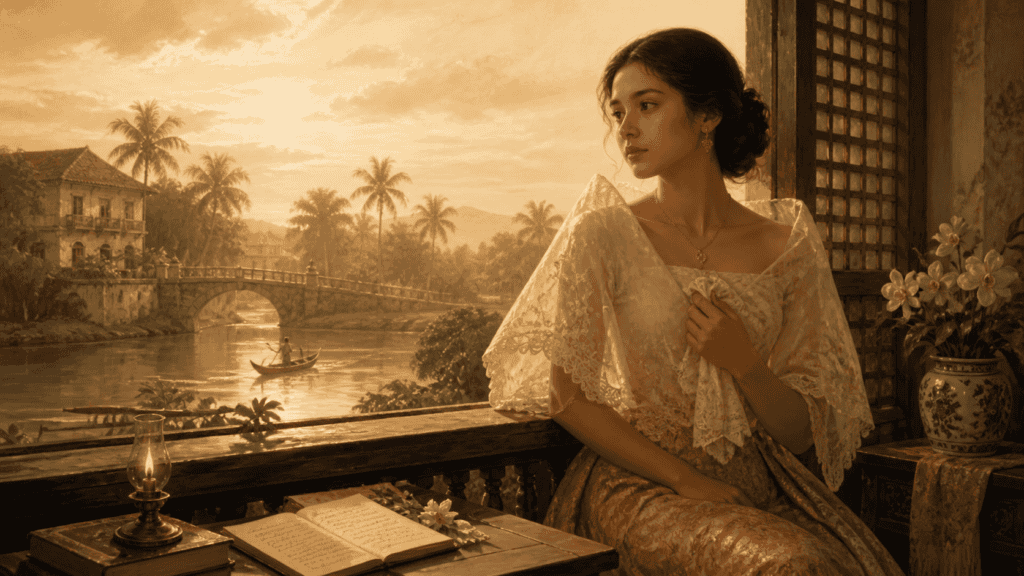
The Song of María Clara
The full text of the Song of María Clara from Noli Me Tangere, with context on where it appears in the novel, who María Clara is, and what the poem means.