Sinag Dalisay
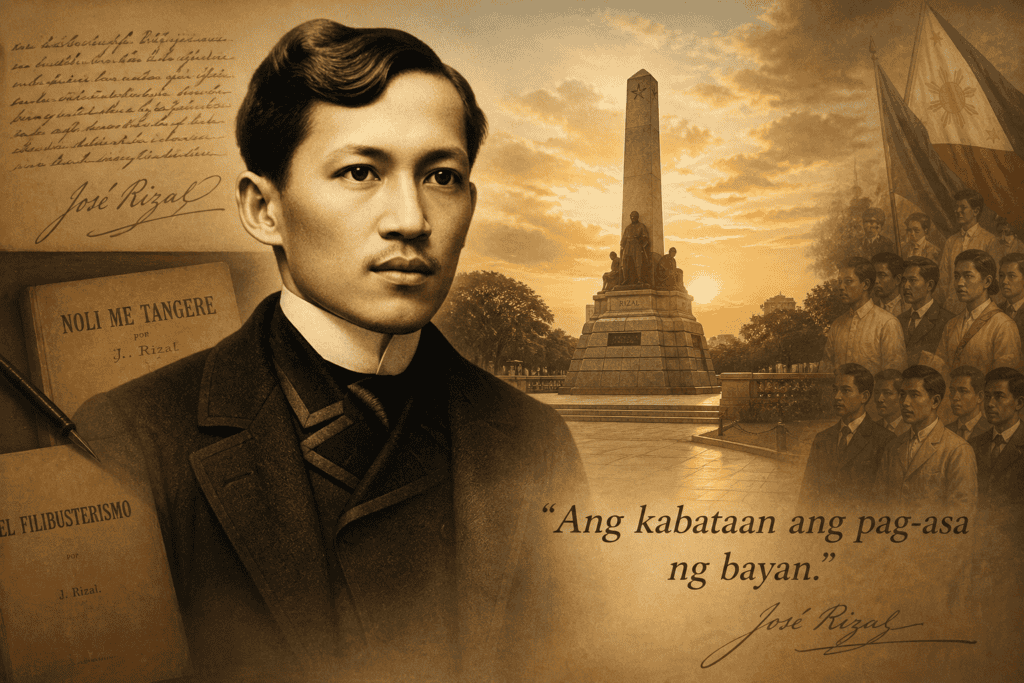
Rizal’s Legacy: What He Left Behind and Why It Still Matters
Legacies are easy to inflate. The useful question is not whether Rizal mattered but how, specifically — and with what complications. The honest answer is more interesting than the ceremonial one.
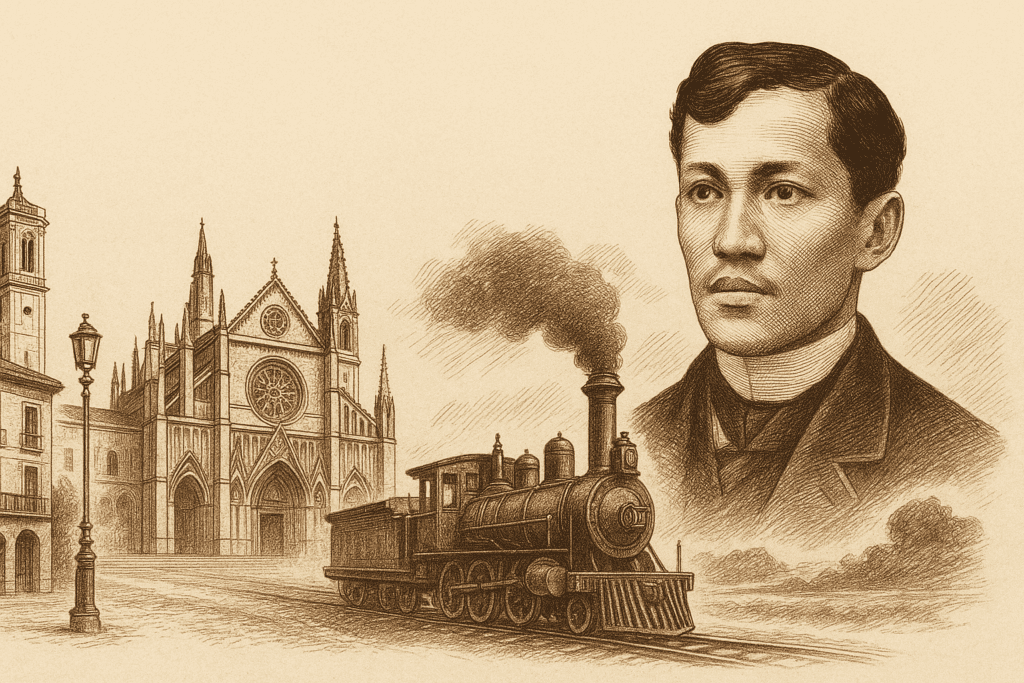
Rizal in Spain: Barcelona, Madrid, and the Education of a Reformist
Rizal arrived in Spain in 1882 as a twenty-year-old traveling under a false name. He left five years later as the author of a banned novel. In between, the Spanish empire inadvertently educated the man who would help end its rule.
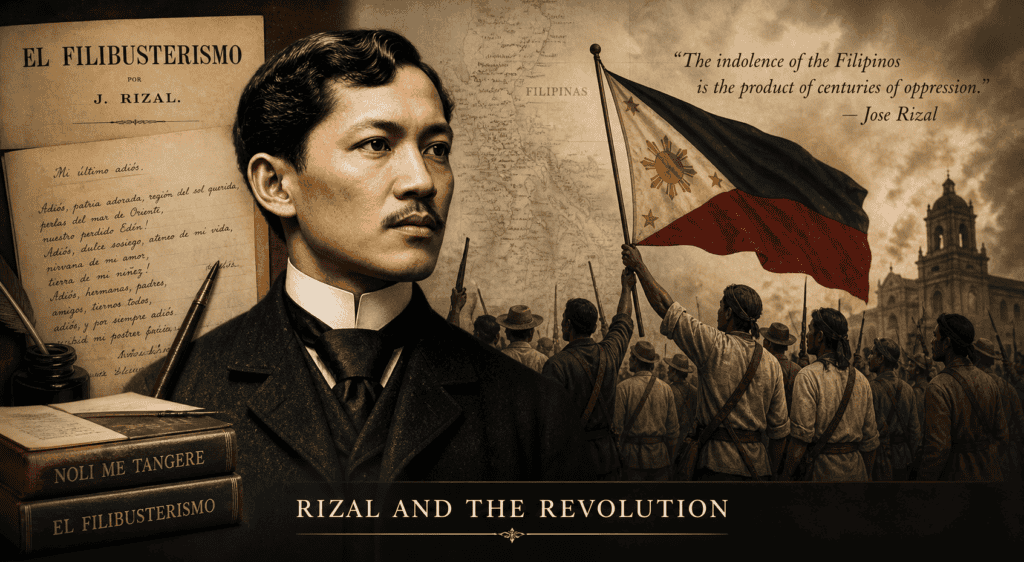
The Revolution Rizal Tried to Stop — And Inspired Anyway
Rizal did not want the Philippine Revolution. He told the Katipunan it was premature, refused to join it, and wrote a public manifesto against it from his prison cell. Then they executed him for it anyway.
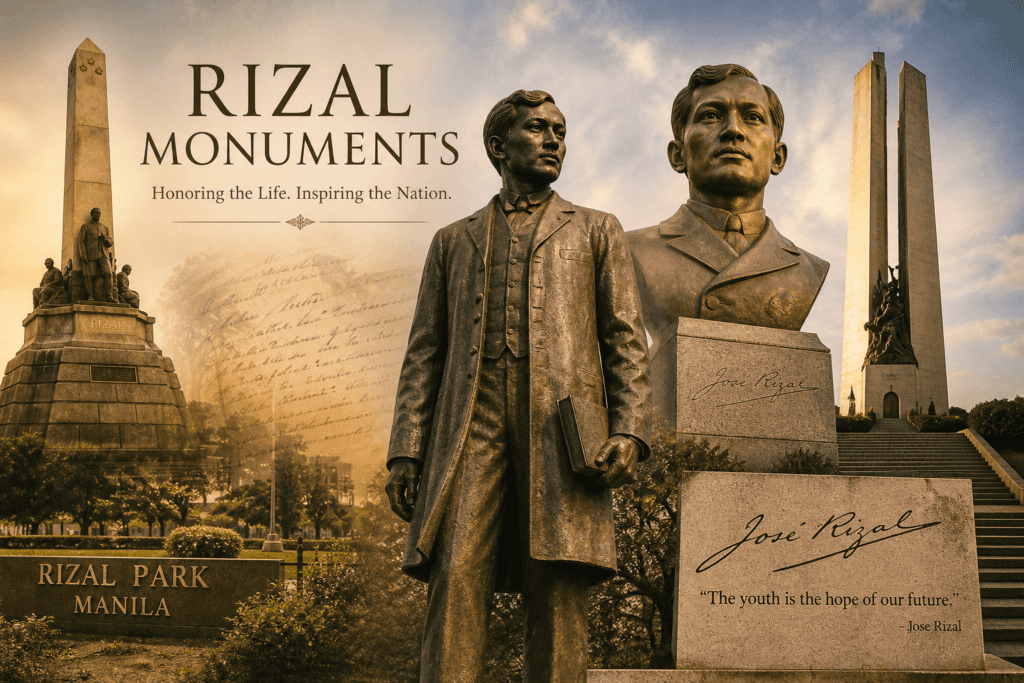
Rizal Monuments and Shrines in the Philippines
The Philippines has three major Rizal shrines, a national monument that serves as Kilometer Zero, and the oldest Rizal monument in the world — built in Daet in 1898, before the Americans arrived.
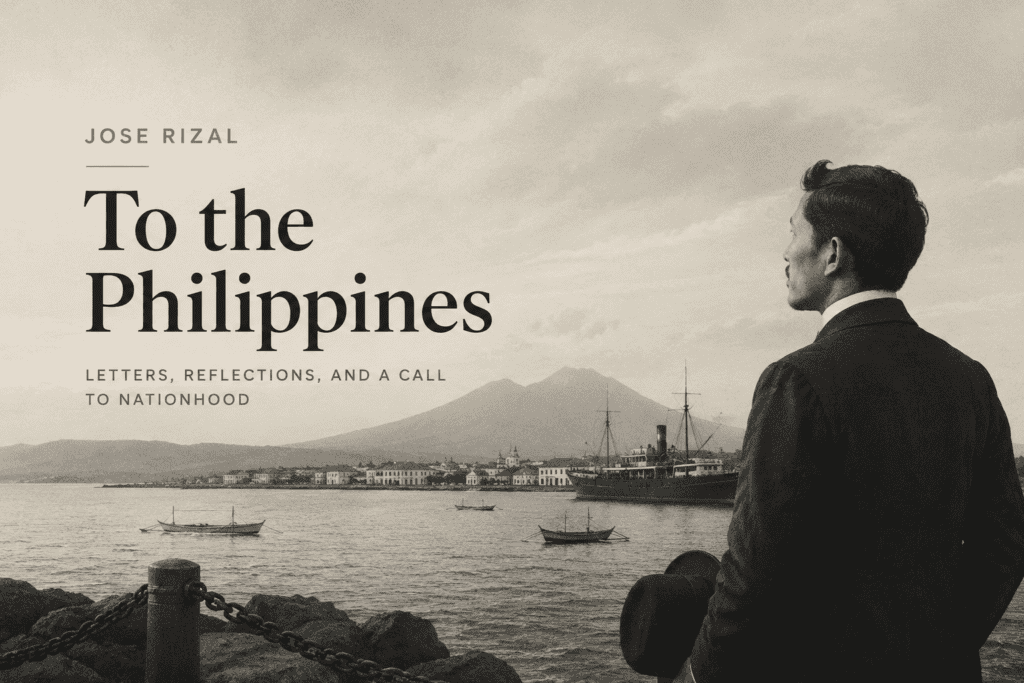
To The Philippines
One of Rizal's earliest poems, "To the Philippines" imagines his homeland as a sleeping goddess — beautiful, admired by the world, and deserving of exaltation. Written before his nationalist voice fully hardened, it marks the emotional beginning of everything that followed.
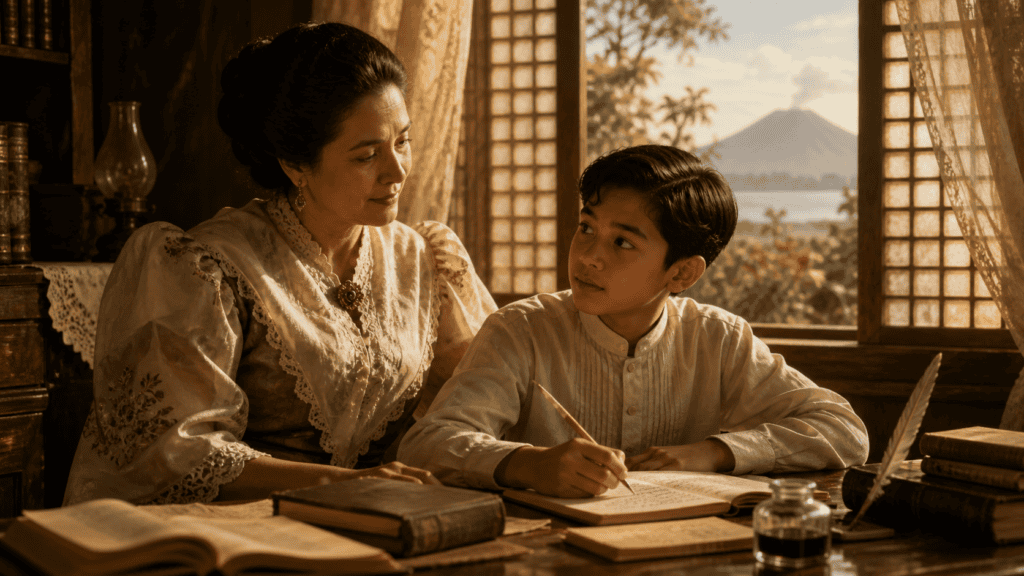
My First Inspiration: Rizal’s Earliest Poem to His Mother
Written at fourteen as a birthday tribute to his mother, My First Inspiration is Rizal's earliest known poem — and the first evidence of where his literary gifts came from.
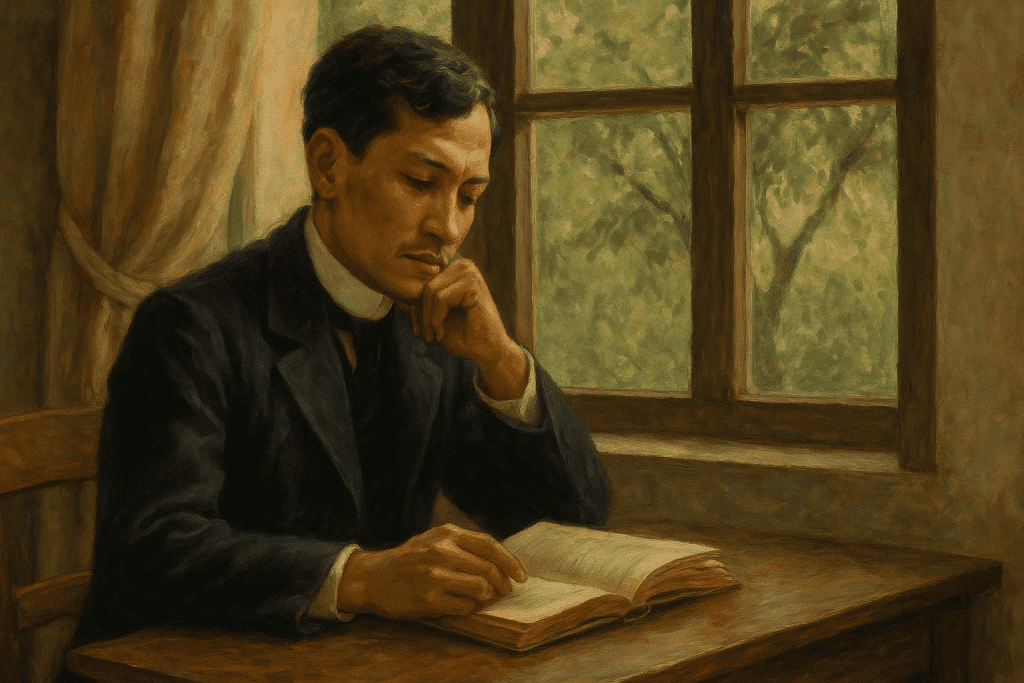
Noli Me Tangere: The Novel That Brought Down a Colonial Empire
A young man returns home after seven years abroad, full of ideas and in love. What he finds waiting for him — buried secrets, corrupt priests, a rigged system — will destroy everything he came back for. Written in 1887 and banned immediately, Noli Me Tangere is the novel that ended a colonial empire.
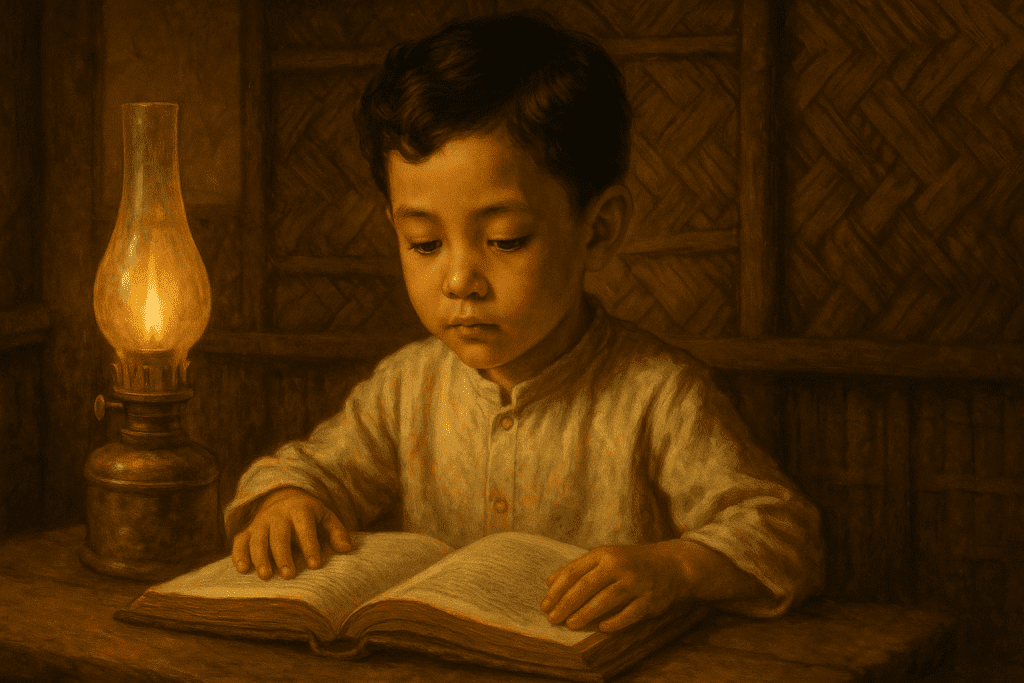
Rizal’s Childhood and Early Education: From Calamba to Manila
Raised by a mother who taught him to read before he could hold a pen, Rizal arrived in Manila at eleven already shaped by curiosity, empathy, and a quiet anger at injustice.
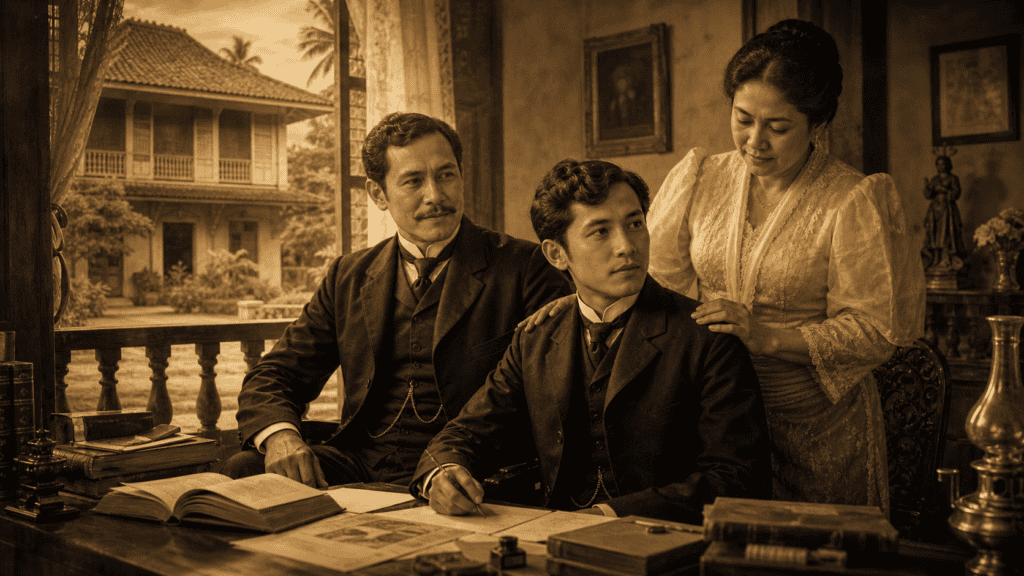
Rizal’s Family Background: The Household That Made Him
The household that produced José Rizal had books, a piano, multiple languages, and a fierce moral seriousness. It was the first in Calamba to own a substantial personal library. And it was eventually dismantled by the colonial government as an object lesson.
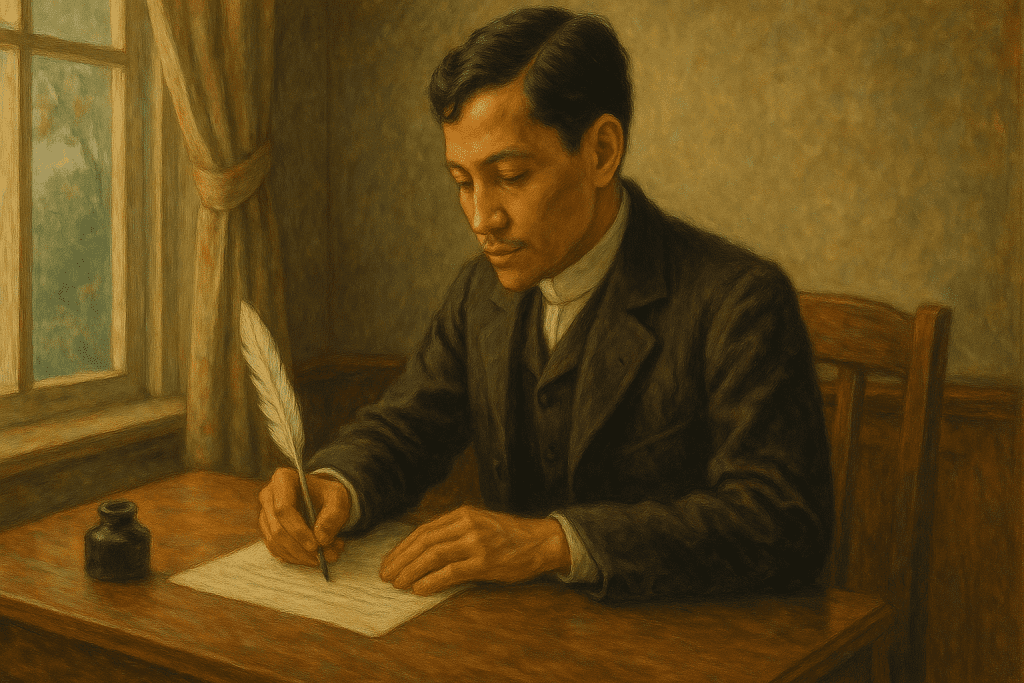
Mi Último Adiós: The Original Spanish Poem by Jose Rizal
On December 29, 1896, Jose Rizal wrote an untitled poem in his Fort Santiago cell, hid it in an alcohol stove, and gave it to his sister Trinidad. He was executed the next morning. The poem became the most widely read in Philippine history.