

Quick Summary
Across the Philippines, Rizal’s presence is preserved in monuments, plazas, schools, parks, and public art. These tributes reflect how deeply he shaped the nation’s identity and how generations continue to honor his ideas, sacrifice, and vision.
Introduction
More than a century after his execution, Rizal remains one of the most visible figures in the Philippine landscape. His name anchors cities, towns, streets, schools, and institutions. His image stands in parks and public squares, from bustling urban centers to quiet provincial communities. These tributes are not mere statues. They are symbols of the country’s shared memory and its ongoing search for national purpose. To understand how Filipinos remember Rizal, one must look at the monuments and memorials built in his honor — each one a dialogue between past and present.
Rizal Park and the National Monument in Manila
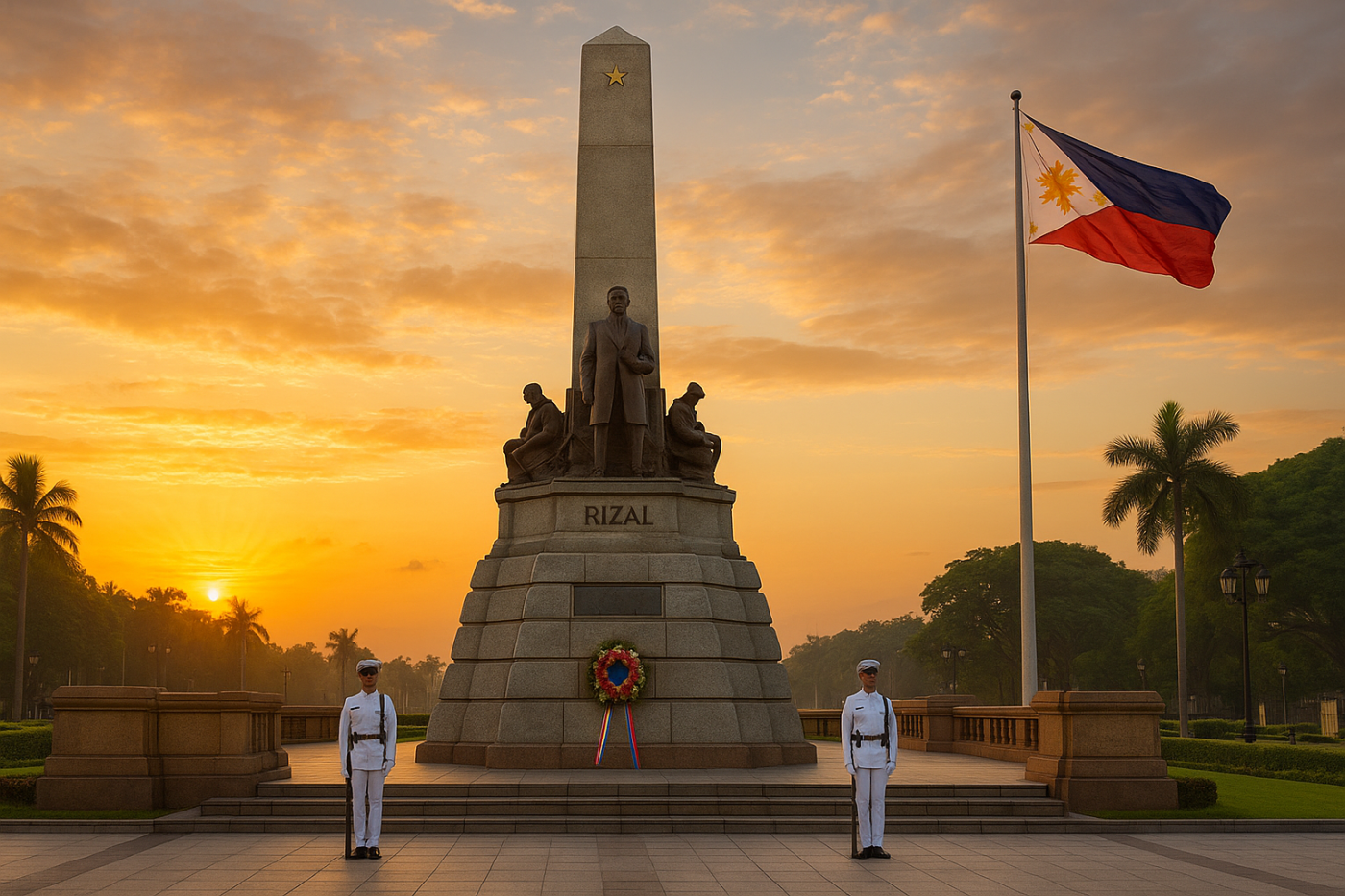
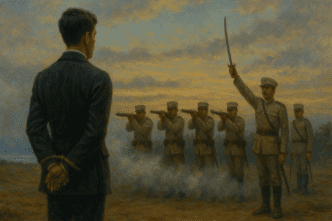
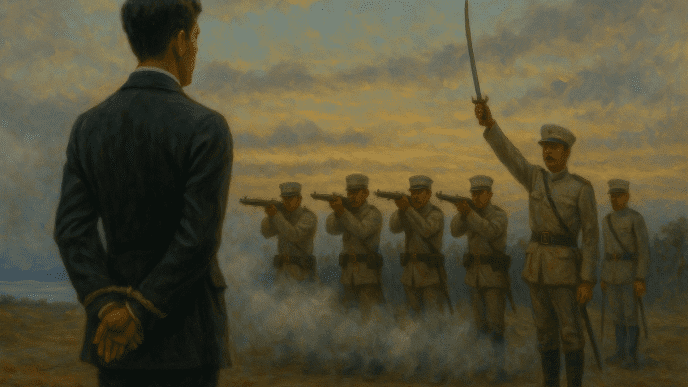
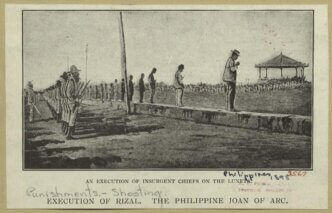
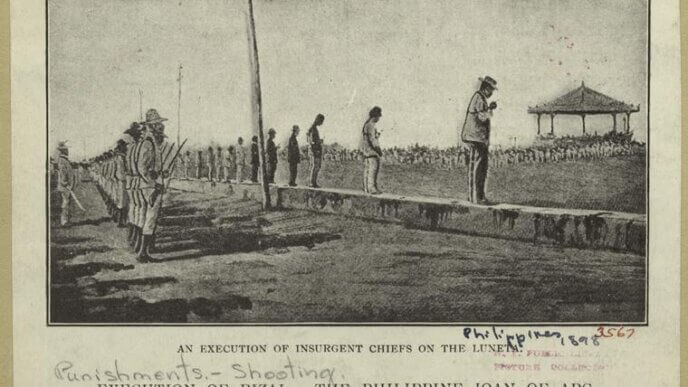
The most iconic tribute is the Rizal Monument at Rizal Park (formerly Bagumbayan), where he was executed on December 30, 1896. Unveiled in 1913, the monument features Rizal in a contemplative stance, holding a book, with the remains of the hero interred beneath. The obelisk rising behind him symbolizes the nation’s aspirations. The monument serves as the focal point for Rizal Day ceremonies every December 30 and is one of the country’s most recognized landmarks, often featured in textbooks, news broadcasts, and civic events.
Rizal Park extends the tribute through gardens, markers, artworks, and replicas of European sites connected to Rizal’s life. It is both a historical space and a living public park where visitors can reflect on the legacy of a man whose execution transformed the nation’s destiny.
Provincial Monuments: A Nationwide Landscape of Memory
Rizal’s presence extends far beyond the capital. Nearly every province has its own monument or tribute, reflecting local pride and regional interpretations of his legacy.
In Calamba, Laguna, a towering 22-meter bronze statue stands near his birthplace, symbolizing the hero’s enduring stature in national consciousness. The scale of the monument mirrors the city’s desire to reclaim its identity as the cradle of his early years.
In Dapitan, Zamboanga del Norte, where Rizal lived in exile from 1892 to 1896, tribute takes the form of an entire heritage zone. The Rizal Shrine preserves his home, clinic, school structures, and the landscapes he transformed. The site is not just a memorial but an immersive reflection of his daily life as a teacher, doctor, engineer, and community leader.
In Iloilo, Cagayan, Cebu, Vigan, Ilocos Norte, and countless other places, local monuments stand in plazas and municipal centers. Many of these were erected shortly after the American colonial period began, when honoring Rizal became a national unifying act. Each sculpture reflects its era’s artistic style — some classical, others modernist — yet all carry the same message: Rizal belongs to the whole country.
School Tributes: Keeping Rizal’s Teachings Alive
Rizal’s name is etched into the Philippine educational landscape. The Rizal High School in Pasig, once recognized as one of the largest high schools in the world, represents the commitment to learning that Rizal championed. From elementary schools in remote barangays to major universities, his name signals an aspiration toward knowledge, discipline, and civic virtue.
These school names are living tributes. Every student who walks through their corridors encounters Rizal not just as a historical figure but as a model of intellectual and ethical formation.
Museums and Shrines
Several major museums preserve his artifacts and writings. The Rizal Shrine in Fort Santiago, Manila, occupies the site where he spent his final imprisonment. It houses manuscripts, letters, personal items, and exhibits on his trial and execution.
In his hometown, the Rizal Shrine in Calamba is a faithful reconstruction of the original family home. Its rooms, furniture, and surroundings invite visitors to experience the domestic world that shaped Rizal’s youth.
These shrines serve as intimate memorials, grounding the national hero in places where he lived, worked, and loved.
Artistic Tributes Across the Country
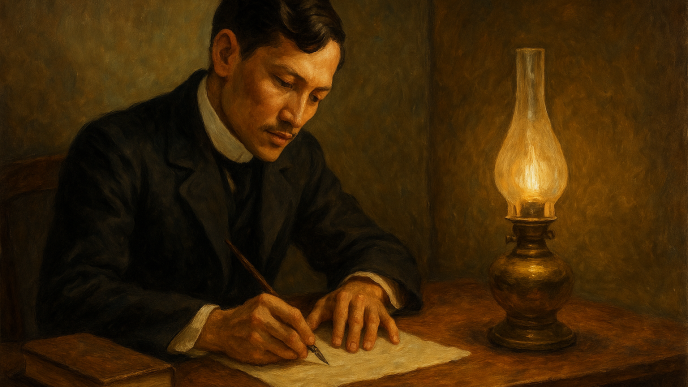
Tributes to Rizal are not limited to formal monuments. Murals, sculptures, reliefs, and street art capture his likeness in creative ways. In parks and universities, artists often reinterpret his image — reading a book, writing at his desk, or standing among symbolic elements of Philippine identity.
Public artworks highlight themes central to his life: education, justice, national identity, and love for country. These artistic tributes show that Rizal’s influence extends beyond history into cultural expression.
Rizal in Everyday Places
Beyond monuments and shrines, Rizal’s name permeates daily life. There are towns named after him, provinces like Rizal Province, and countless streets bearing his name. Public plazas often feature his statue at the center, an enduring reminder of civic values. Government offices, hospitals, public libraries, athletic complexes, and even barangay halls carry his name as a mark of honor.
This ubiquity is significant. It means Rizal is not just a figure confined to textbooks; he is woven into the country’s lived environment.
Modern Tributes and Renewed Recognition
In contemporary times, new tributes continue to appear. Digital exhibits, museum upgrades, educational programs, and artistic reinterpretations all seek to bring Rizal closer to younger generations. Cities and municipalities host annual cultural festivals, lectures, reenactments, and competitions celebrating his works and ideas.
These modern tributes show that Rizal’s legacy is not static. Each generation finds new ways to recognize his role in shaping the nation’s ideals.
Why the Philippines Honors Rizal This Way
The abundance of Rizal monuments and tributes reflects more than admiration. It signals a collective belief that Rizal represents the best of the Filipino spirit — intellectual brilliance, moral clarity, resilience, and love of country. His ability to inspire without hatred, to confront oppression without violence, and to dream of a nation united by dignity resonates deeply across regions, classes, and eras.
The Philippines honors Rizal wherever people gather — in plazas, parks, schools, and homes — because he remains a compass for the nation’s aspirations.
Conclusion
Rizal’s monuments and tributes across the Philippines form a vast geography of memory. They remind the nation not only of his life and martyrdom but of the values he embodied.
From the solemnity of the National Monument in Manila to the personal spaces of his shrines, from school campuses to provincial plazas, these memorials ensure that Rizal’s presence endures. They testify to the continuing relevance of his ideas and to the nation’s enduring gratitude for the man who helped shape its identity.

This one is very informative site, now let me share you some cool facts that you PROBABLY REGRET NOT KNOWING about Jose Rizal and the Dominican Friars during their era https://www.youtube.com/watch?v=bKuM1Ch4vNI&t=304s