Quick Summary
The Propaganda Movement was a peaceful campaign led by Filipino expatriates in Europe who sought reforms from Spain. Through writing, speeches, and active debate, they worked to expose abuses, advocate equality, and awaken Filipino national consciousness.
The Rise of a New Generation
In the late nineteenth century, the Philippines was undergoing a period of tension and awakening. The rise of educated Filipinos, the injustices faced by common people, and the growing desire for representation created a climate ready for reform. A generation of young ilustrados began to believe that peaceful change was possible through education, lawful petition, and the power of ideas.
Out of this environment emerged the Propaganda Movement. It was not a political party nor a secret society. Instead, it was a collective effort by Filipinos living in Europe who wanted to persuade Spain to grant the Philippines equal rights and dignity within the empire. They believed that awareness and reason could bring about transformation.
The Expatriates in Europe
As more Filipinos traveled abroad, they were exposed to liberal ideas circulating in Europe. They found societies where free speech and civic participation were encouraged. This contrast with the restrictive colonial environment of the Philippines deepened their desire for reform.
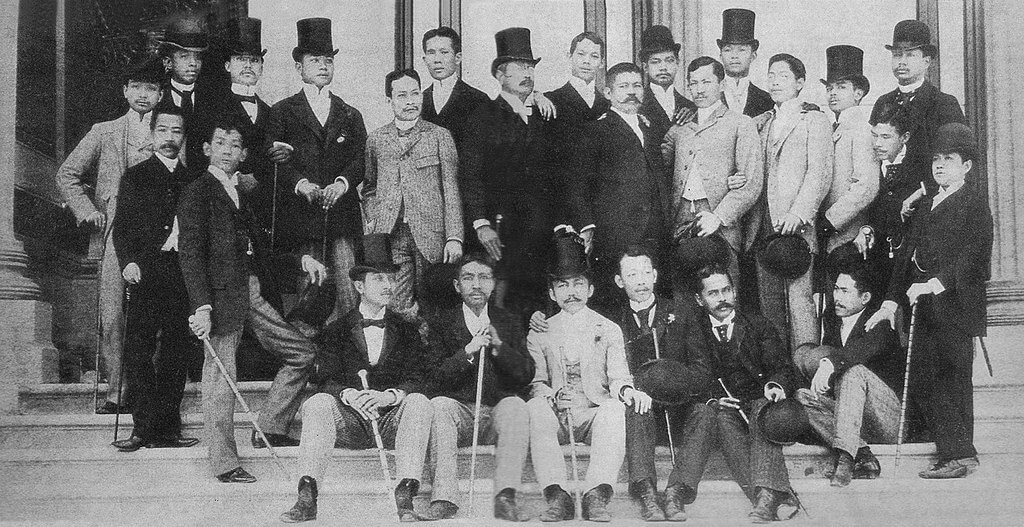
Cities like Madrid, Barcelona, Paris, Heidelberg, and London became meeting grounds for Filipino students, writers, and thinkers. Away from colonial surveillance, they could speak more freely and challenge the systems that oppressed their homeland. Their gatherings in cafés, boarding houses, and university halls birthed a movement that would influence Philippine history.
Goals of the Movement
The Propaganda Movement did not seek independence. It aimed to secure reforms that would give Filipinos equality and improve their quality of life under Spanish rule. Among their principal demands were:
- Representation of the Philippines in the Spanish Cortes (Parliament), the legislative or representative assembly that held power over the Spanish colony in the Philippines
- Secularization of the clergy and reduction of friar power
- Equality before the law
- Freedom of speech, assembly, and the press
- Recognition of human rights
- Educational and economic reforms
These goals reflected their belief that Filipinos, as loyal subjects of Spain, deserved the same rights enjoyed by citizens of other Spanish territories.
La Solidaridad and the Power of Print
One of the movement’s most important achievements was the founding of La Solidaridad, a newspaper published in Barcelona beginning in 1889. It served as the main platform for reform advocacy. Through essays and editorials, writers exposed abuses, corrected misconceptions about the Philippines, and explained the aspirations of Filipinos to the Spanish public.
Articles were written with logic, passion, and bravery. They criticized colonial officials, defended the honor of the Filipino people, and argued for a just relationship between Spain and the Philippines. Many issues faced by Filipinos, from judicial inequality to friar power, were discussed openly for the first time on an international stage.
Key Voices of the Movement
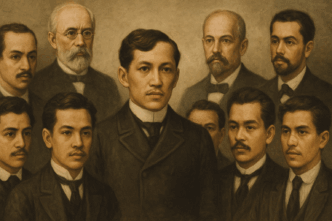
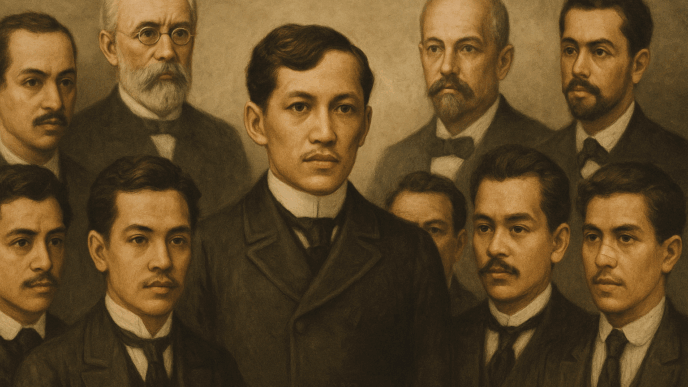
The Propaganda Movement brought together a remarkable group of thinkers. Marcelo H. del Pilar, known for his sharp wit and clear reasoning, led La Solidaridad for much of its publication. His writings challenged the abuses of friars and promoted secularization with unwavering conviction.
Graciano López Jaena, with his talent for oratory and satire, used storytelling and humor to criticize the colonial system. His works encouraged pride among Filipinos and exposed the contradictions in Spanish colonial governance.
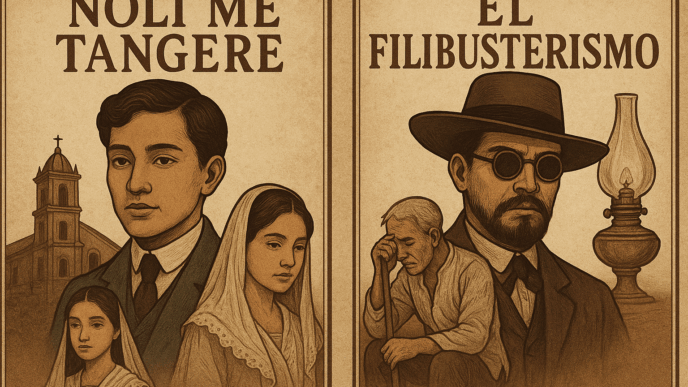
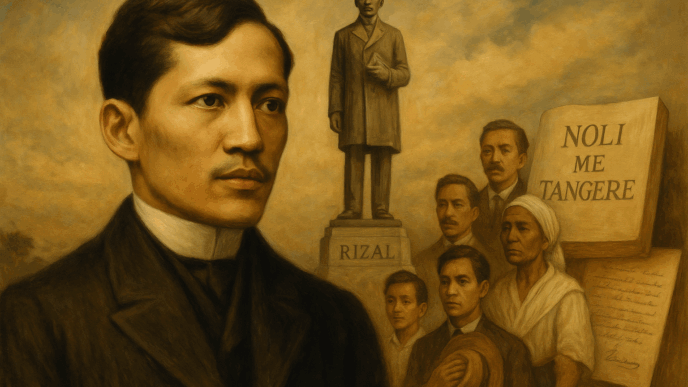
Jose Rizal joined the movement with the hope that truthful writing could influence public opinion. Although his novels were not directly published in La Solidaridad, his essays and letters strengthened the group’s intellectual force. His calm tone, disciplined reasoning, and deep understanding of Philippine society gave the movement credibility.
Other members, such as Antonio Luna, Mariano Ponce, José Ma. Panganiban, and Pedro Paterno, contributed their voices. Together, they formed a community bound not by location but by purpose.
Ideas that Shaped a Nation
While the movement sought reforms within the Spanish system, it also planted deeper seeds. Their debates, poems, speeches, and articles encouraged Filipinos to think of themselves as a nation. They emphasized education as a tool of empowerment and insisted that justice and dignity were fundamental rights.
Their criticism was not rooted in anger but in a desire for fairness. They believed that if Spain recognized Filipino humanity and intelligence, true partnership was possible. Through their writings, they awakened pride in the Filipino identity and inspired self-reflection.
Challenges and Decline
Despite its intellectual strength, the Propaganda Movement faced many obstacles. Funding was a constant problem. Expatriates often struggled to support themselves, and contributions from supporters in the Philippines were inconsistent.
Political resistance in Spain also proved strong. The Spanish Cortes had its own divisions, and colonial interests opposed the ilustrados’ proposals. As time passed, it became clear that reforms would not be granted easily. La Solidaridad eventually ceased publication in 1895 due to financial difficulties.
Many members grew disillusioned. Some believed the path of peaceful reform was no longer enough. The movement lost momentum, but its ideas continued to echo.
Impact on Philippine Nationalism
Although the Propaganda Movement did not achieve its reform goals, its influence on Philippine history was profound. It awakened national consciousness and helped Filipinos recognize themselves as a people capable of thought, debate, and unity.
Their writings shaped the minds of future revolutionaries. They paved the way for a more assertive struggle, proving that ideas can spark movements and that the pen can challenge systems of power. Their belief in education, civic responsibility, and moral integrity became central to the emerging Filipino identity.
A Legacy of Words and Vision
The Propaganda Movement remains a testament to the power of conviction and the courage of the written word. Its members dared to reason with an empire and showed that peaceful advocacy, even when met with resistance, leaves a lasting mark on history.
Their legacy continues through the values they defended. They believed in truth, human dignity, and the potential of the Filipino people. Their ideas shaped a nation not through force, but through the quiet strength of thought.