Jose Del Castillo
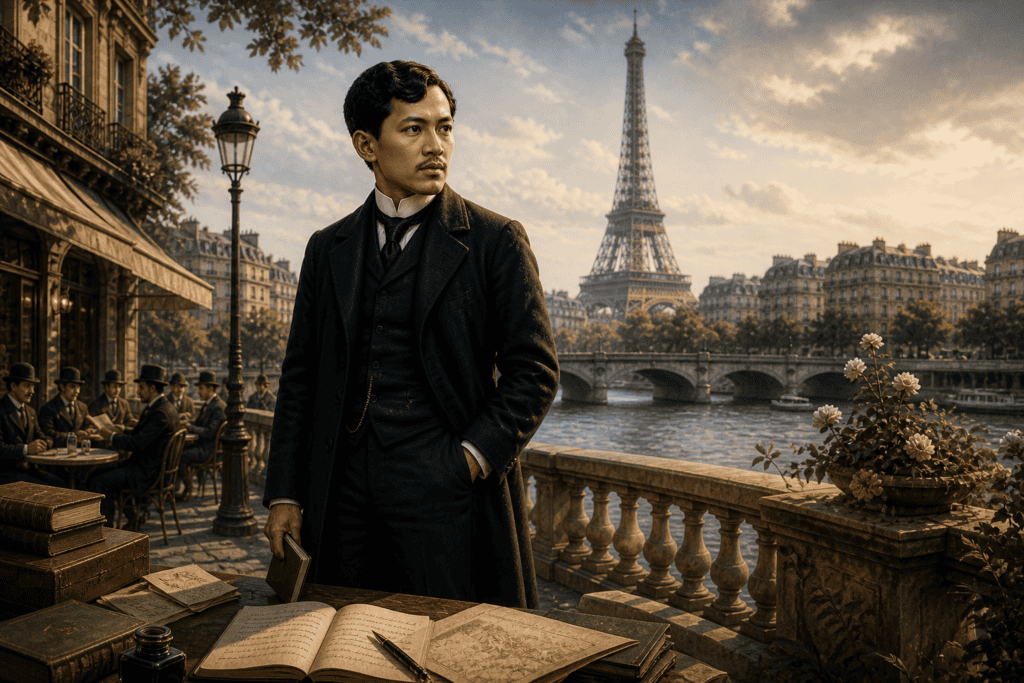
Rizal in Paris: The City That Shaped His Politics
Paris appears twice in Rizal's European decade. The first time, he was a young doctor learning to operate on eyes. The second time, he was the most prominent voice of the Filipino reform movement, writing a darker novel in an expensive city that was celebrating the centennial of the French Revolution.
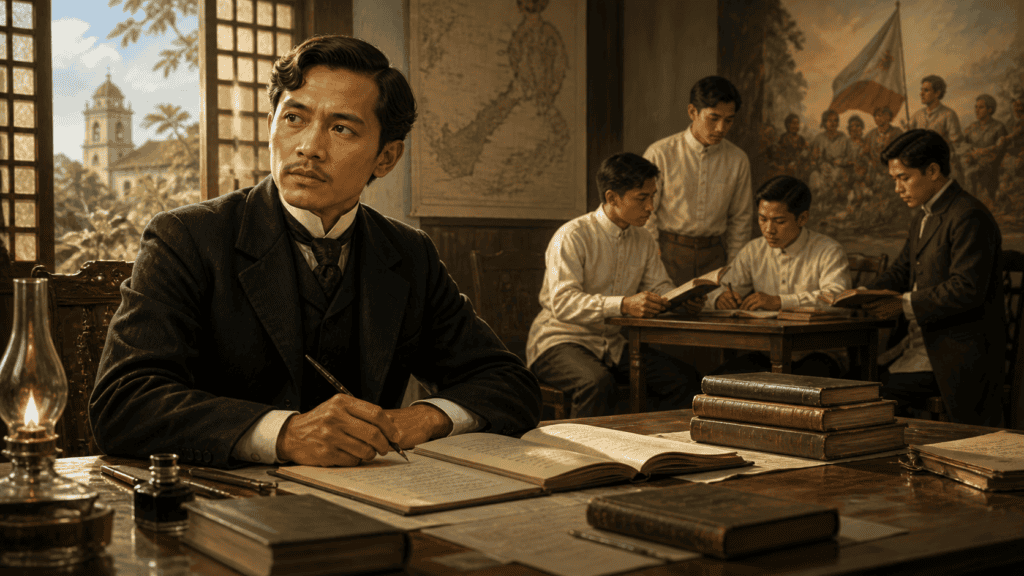
What Rizal Said About Youth — And What He Actually Meant
Everyone knows the line. Far fewer know what Rizal meant by it: or how his view of youth became sharper, tougher, and less comforting over time.

The Many Minds of José Rizal: Doctor, Novelist, Sculptor, Naturalist
Rizal was a doctor, a novelist, a sculptor, a naturalist, and a linguist fluent in over twenty languages — all before the age of 35. Here's what that actually looked like.
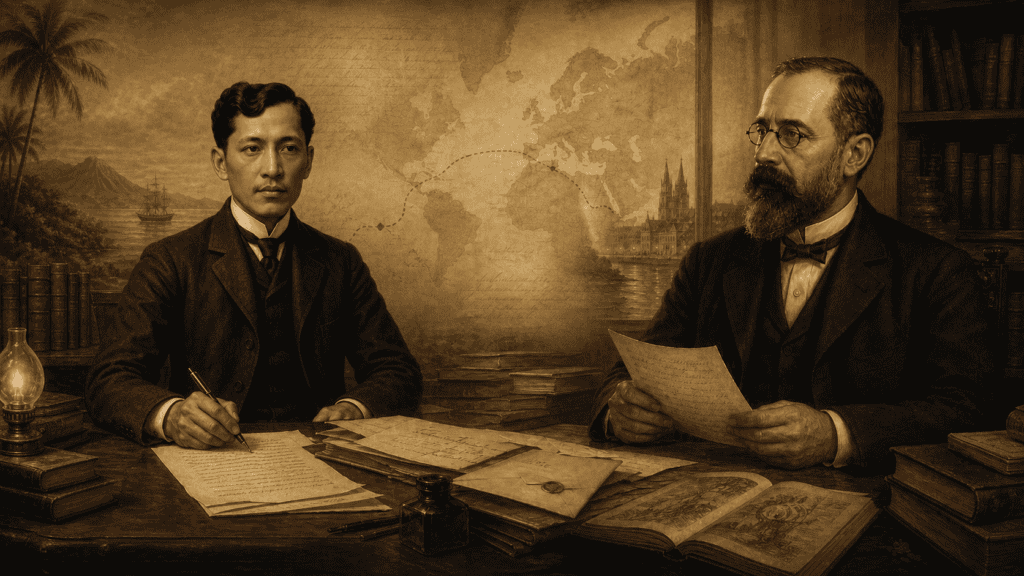
Rizal and Blumentritt: An Unlikely Friendship Across Continents
A Filipino student in Heidelberg wrote to an Austrian schoolteacher in his own language. They exchanged letters for ten years—until one faced a Spanish firing squad in Manila. The other never forgot him.
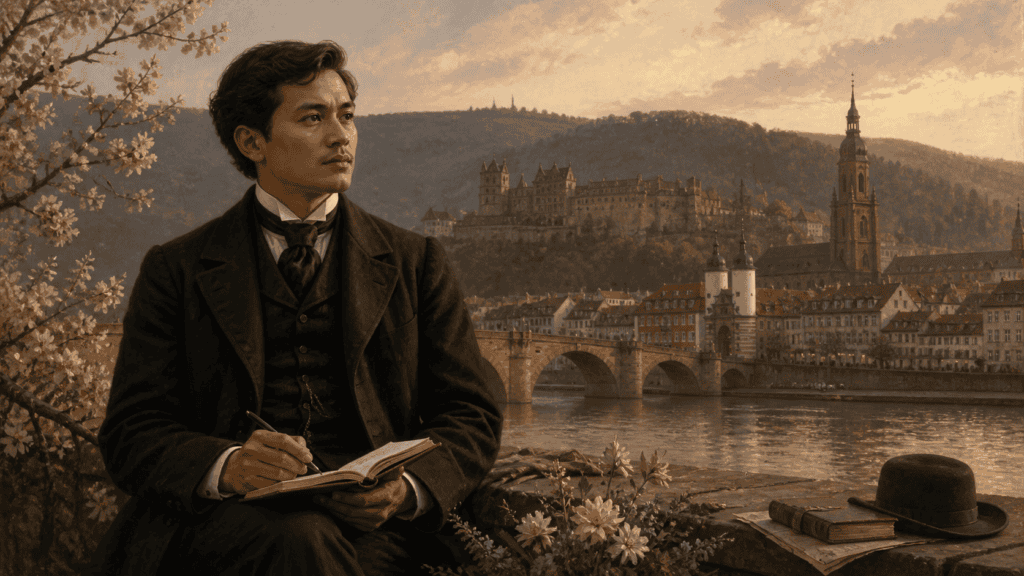
Rizal in Heidelberg: The Poem and the Place
Rizal spent six months in Heidelberg in 1886 — training under Germany's top eye specialist and writing a poem that still has a street named after it.
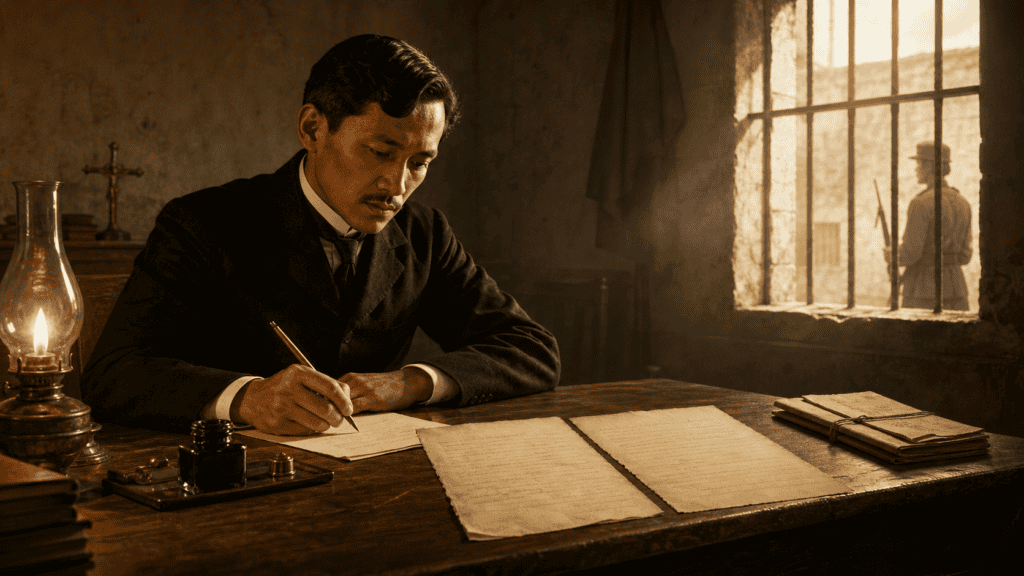
Mi Último Adiós and My Last Farewell: Side by Side
Rizal wrote the poem on his last night and hid it in an alcohol stove. Here is the Spanish original beside the Derbyshire translation, stanza by stanza, with notes on what each one means.
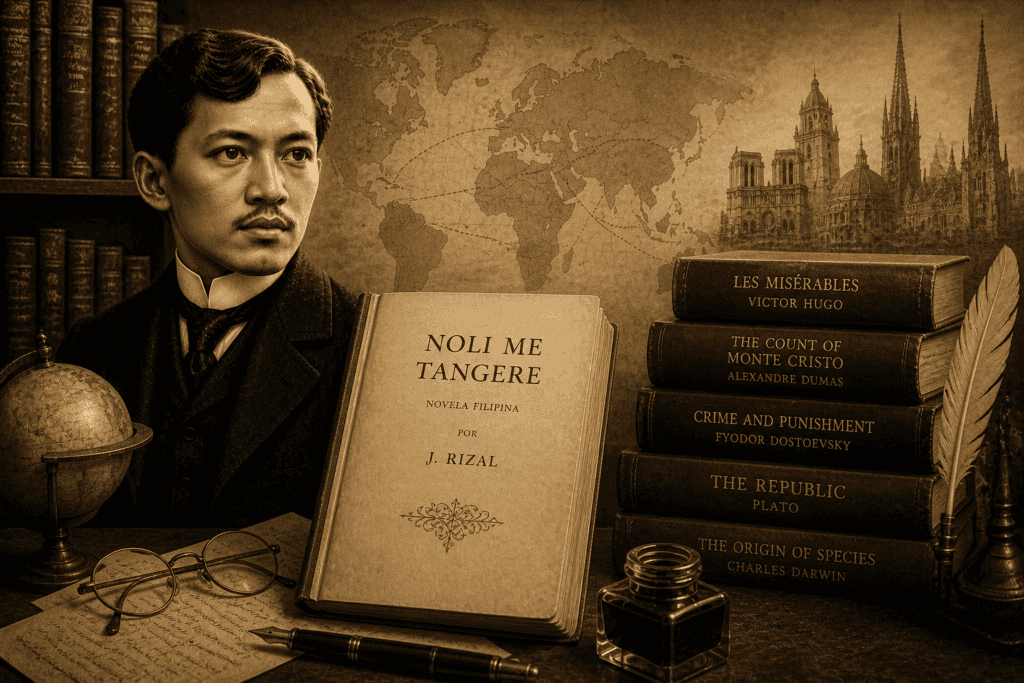
Noli Me Tangere as World Literature
Written in Spanish by a Filipino in Berlin, published in 1887, banned by the government it exposed, it helped end a colonial empire. But most people outside the Philippines have never heard of it.
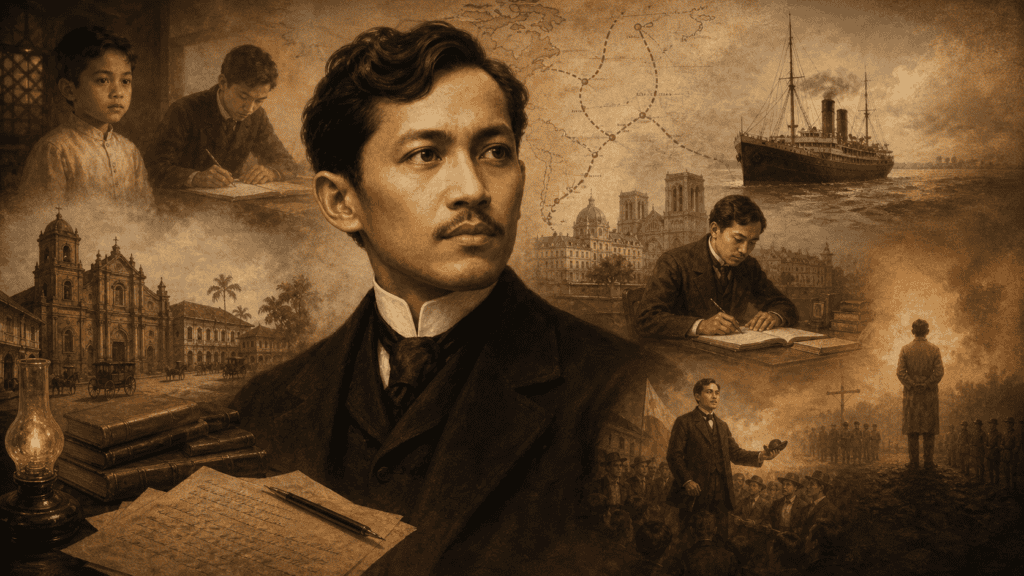
José Rizal: A Complete Timeline
Thirty-five years. Two banned novels. One civic organization that lasted four days. A final poem written the night before his execution. This is the complete timeline of José Rizal's life.
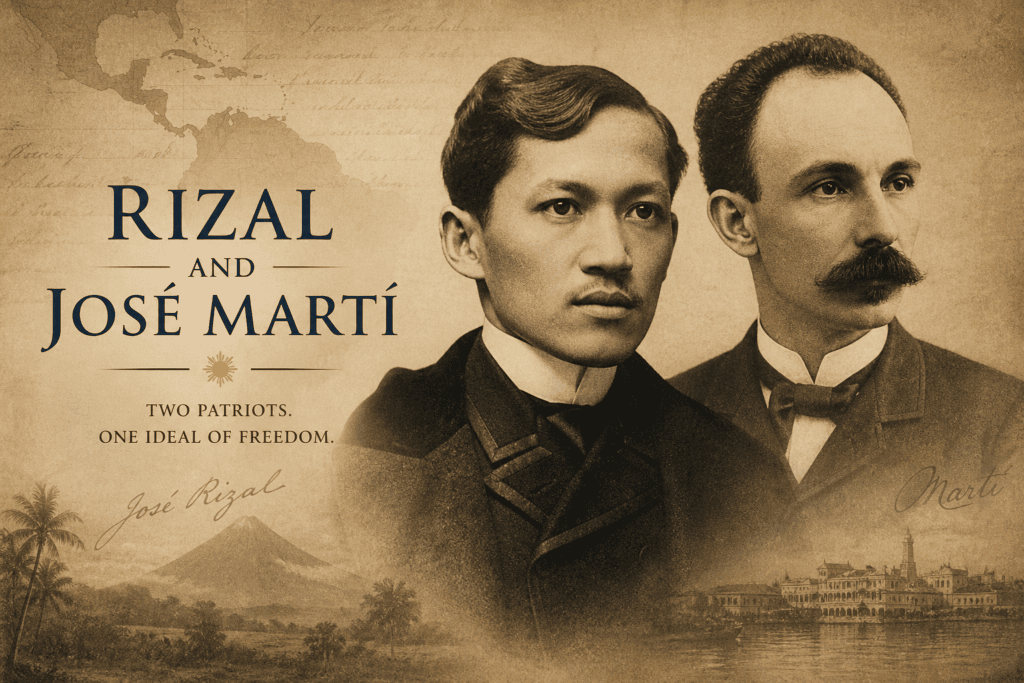
Rizal and José Martí: Two Writers Who Died for Their Nations
They never met. One died in the Philippines, one in Cuba. In 1895 and 1896, the Spanish Empire killed them both.
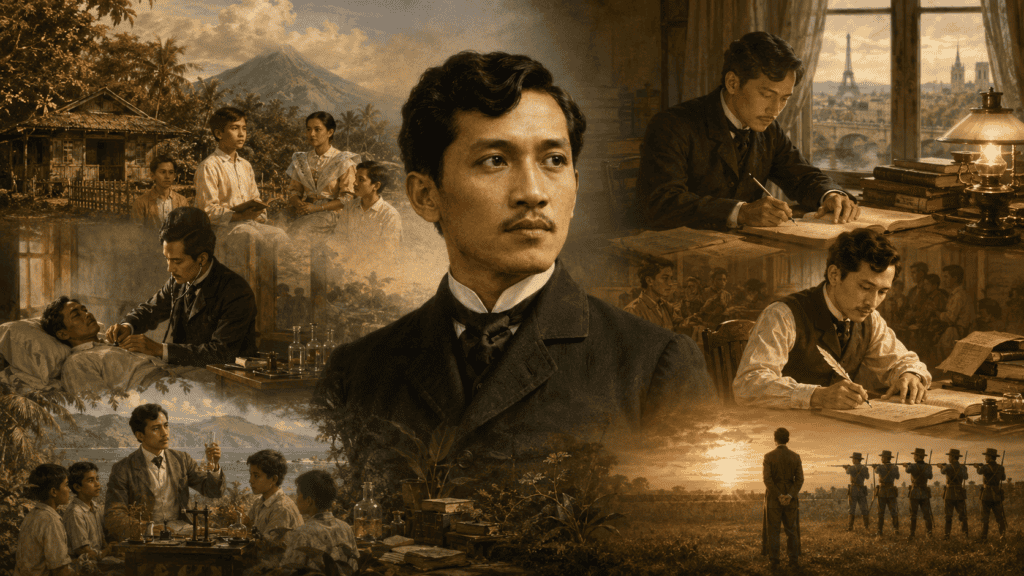
Who Was José Rizal?
Jose Rizal was a 19th-century Filipino doctor, novelist, and polymath who spoke 22 languages, wrote two novels that collapsed a colonial empire, and was executed at 35. Here's everything you need to know — and why you should care.
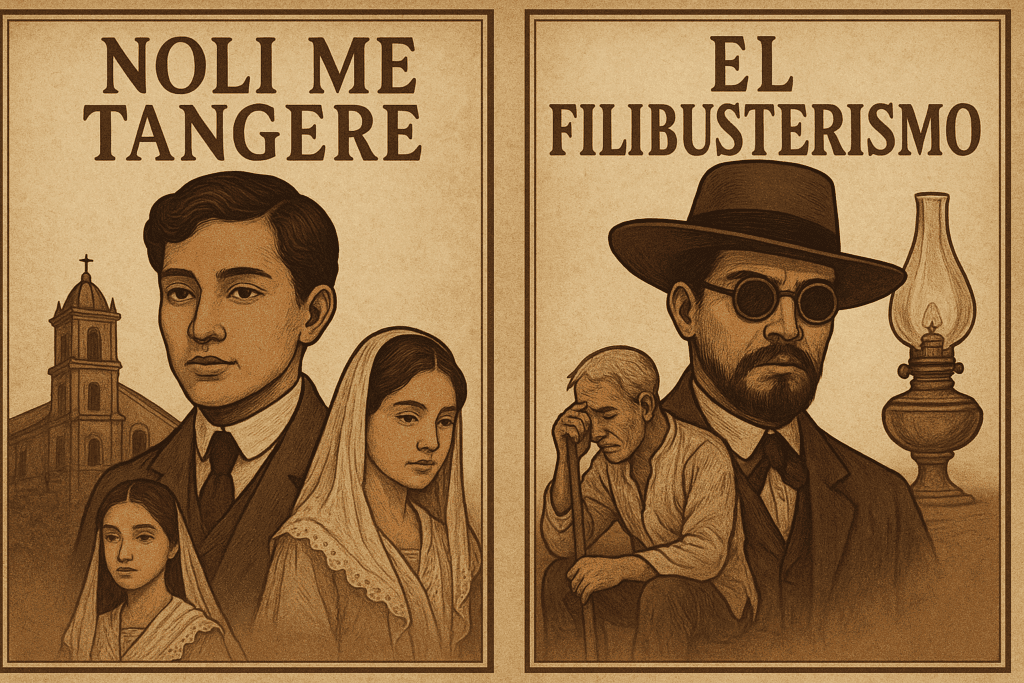
Noli Me Tangere vs. El Filibusterismo: What Changed Between the Two Novels
Rizal wrote two novels. The first exposed a colonial society to itself. The second asked what happens when it refuses to change. They are not a story and its sequel — they are a before and after.
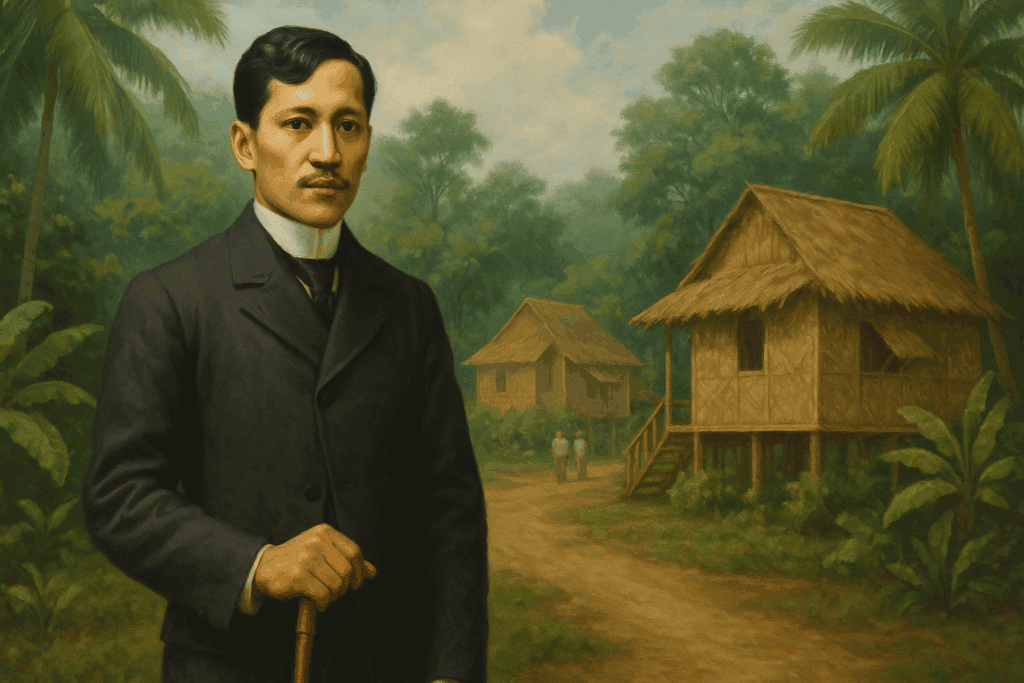
Rizal in Dapitan: Four Years the Spanish Government Meant as Punishment
Spain exiled Rizal to Dapitan to silence him. In four years, he built a water system, opened a school, performed surgeries, discovered new species, and fell in love. Spain, instead, gave him a laboratory.
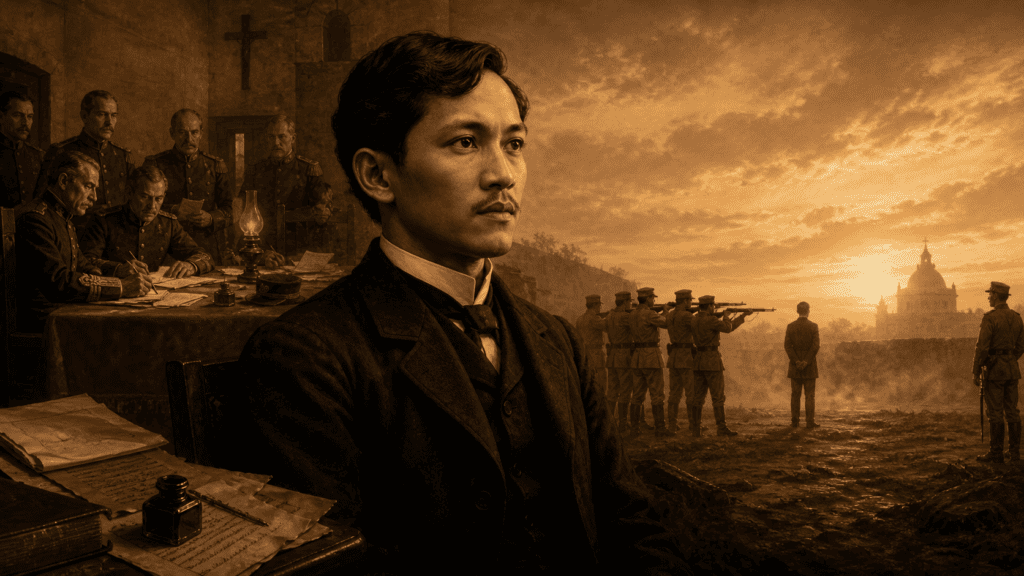
Rizal’s Trial and Execution
The Spanish colonial government needed three things from the trial of José Rizal: speed, the appearance of legality, and a guilty verdict. They got all three. What they did not anticipate was what the execution would do to the country they were trying to pacify.

The Poems of José Rizal
Rizal wrote poetry from childhood to the night before his execution. Here is a guide to all of it — organized by period, with notes on each poem and links to the full texts.
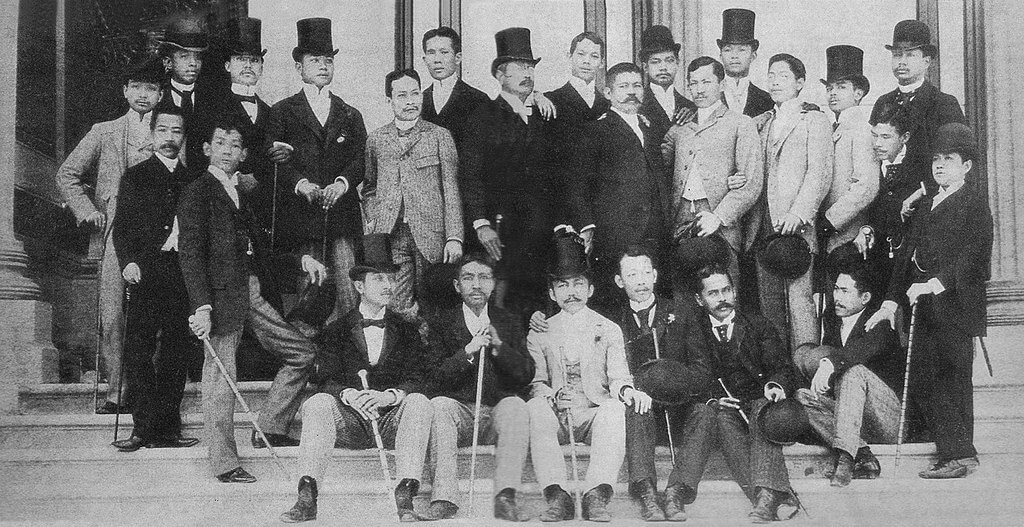
The Propaganda Movement: How Filipinos Tried to Reform an Empire With Words
In the late 1880s, Filipino intellectuals in Spain tried to persuade a colonial empire to treat their country fairly. They had newspapers, essays, and the belief that reason could move institutions. They were wrong. But what they built changed everything.
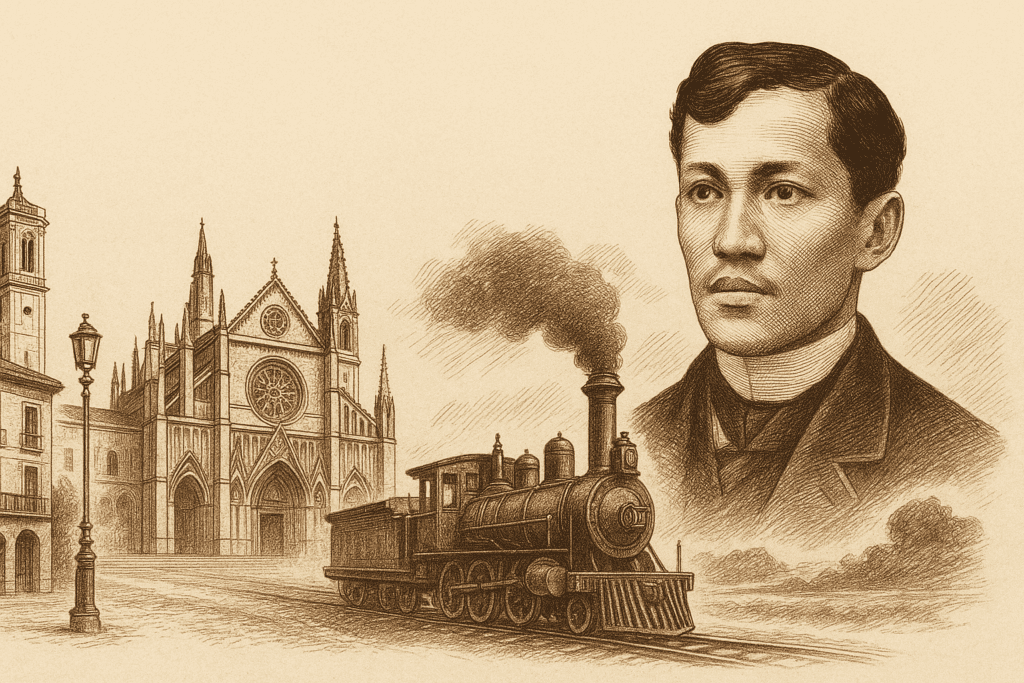
Rizal in Europe: The Years That Made the Novelist
He left the Philippines in secret in 1882, twenty years old. He returned five years later carrying the manuscript of Noli Me Tangere. What happened in between turned a gifted student into a writer who toppled an empire.
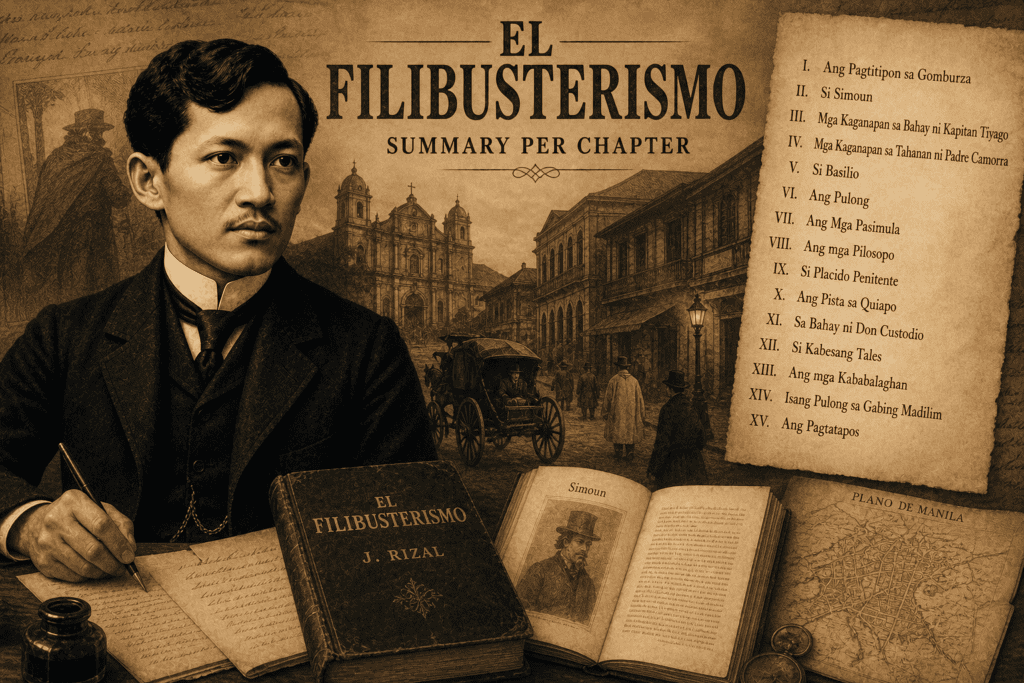
El Filibusterismo: Chapter-by-Chapter Summary
All 39 chapters of El Filibusterismo, summarized clearly and in order — from Simoun's arrival on the Tabo to Padre Florentino throwing the treasure into the sea.
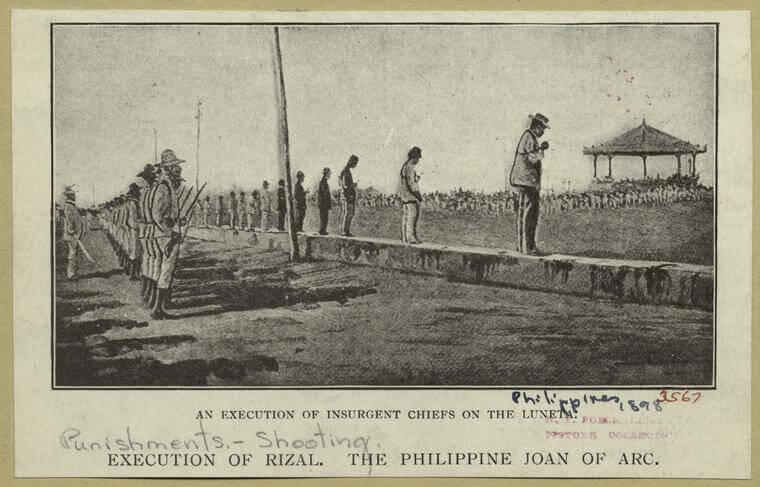
José Rizal’s Last Words
Rizal's last words come in three forms: the poem he hid in an alcohol stove, the letters he wrote through the night, and the words he spoke at Bagumbayan at dawn. Here is the full account.
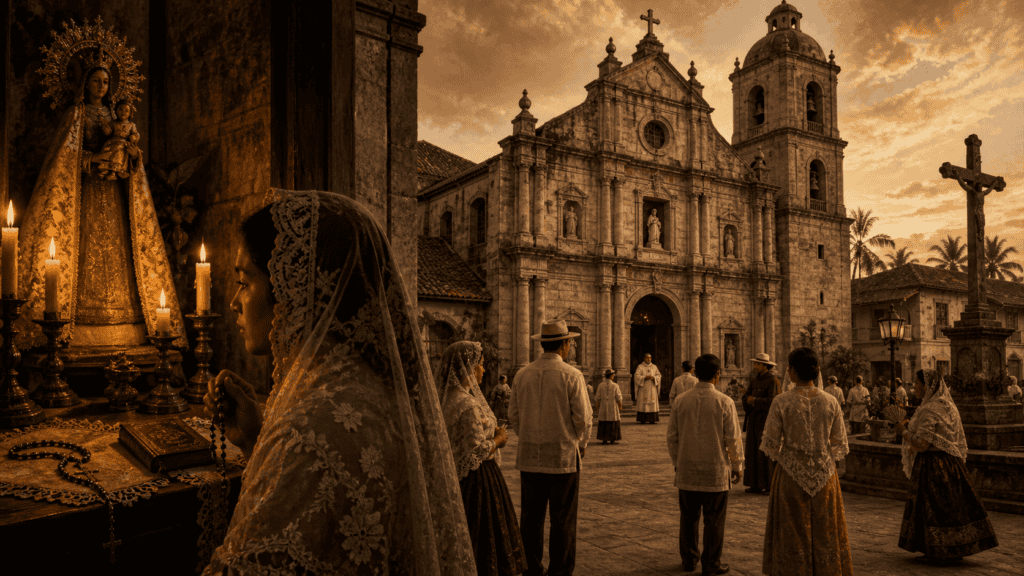
Religion and Everyday Practice in 19th-Century Filipino Life
In 19th-century Philippines, Catholicism was not a private faith — it was the architecture of public life. Here is how it worked, and what Rizal saw in it.
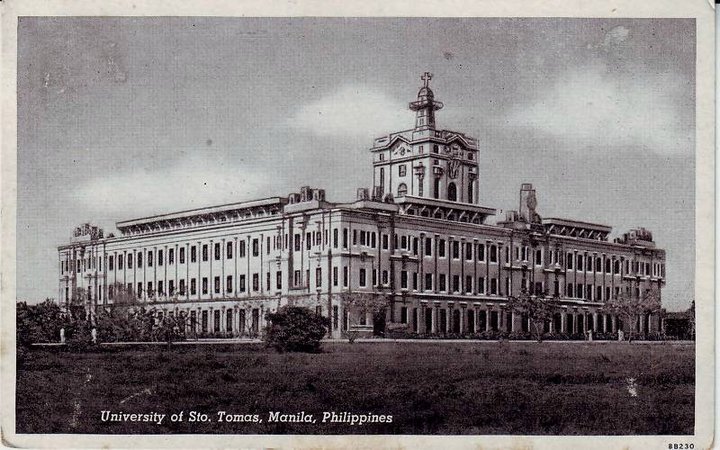
Rizal’s Student Life at the University of Santo Tomas
Explore Rizal’s student life at UST, from academic rigor to discrimination, friendships, and the early awakening of his reformist ideals.